
Reptile Birthday Party Ideas That Do Not Stress the Animal
How to celebrate a reptile's birthday: enrichment instead of a gathering, the feast that has to wait three days before you handle anything, temperature rules the party cannot break, and where snakes, geckos and tortoises diverge.
As an Amazon Associate we earn from qualifying purchases.
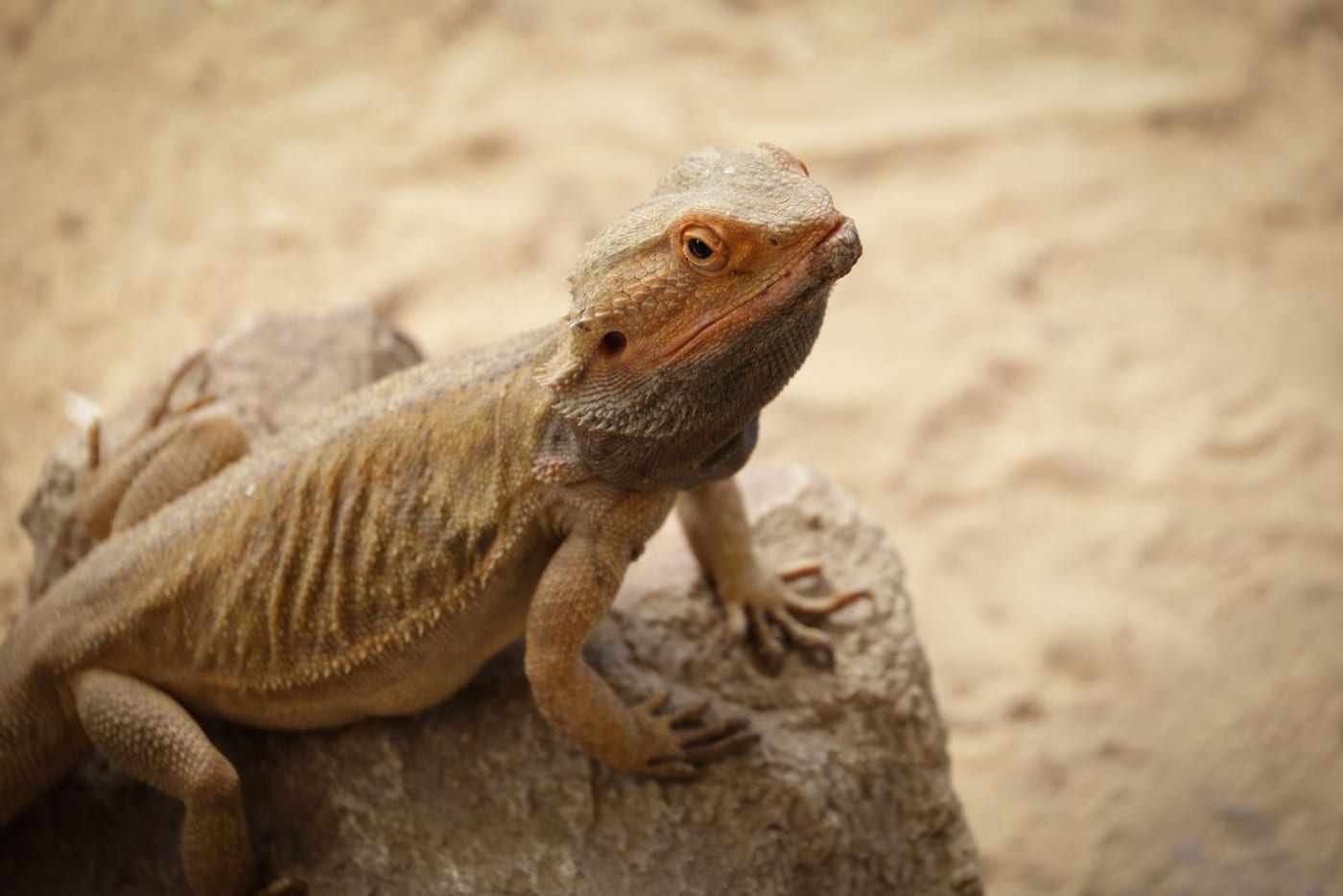
A reptile birthday party is a redecoration and a good meal, held for an audience of one. Rearrange the hides and climbing furniture into something new, offer a larger or more interesting feed than usual, and keep the enclosure temperatures exactly where they always are. No guests handling the animal, no hat, no candles anywhere near a heat lamp.
That sounds austere next to a dog party. It is not. A bearded dragon investigating a cork tunnel that was not there yesterday is doing the reptile version of unwrapping a present, and it photographs better than anything you could put on its head. The complication is timing, because for most reptiles the feast and the handling photo cannot happen on the same day. Here is how the pieces fit.
Why Is a Reptile Party Enrichment and Not a Gathering?
Because a reptile reads a room full of people as a room full of predators, and it has no social payoff to weigh against that.
A dog gets something out of a crowd. A parrot gets something out of its flock. A leopard gecko gets nothing, and the stress signals it gives off are quiet enough that a room full of enthusiastic guests will miss every one of them. Glass surfing, hiding, a bearded dragon’s beard going dark, a snake balling up tight, a chameleon shifting to stress colouring: all of that reads as “the animal is being interesting” to somebody who has never kept one.
So the party moves inside the enclosure. Real enrichment for a reptile is environmental change, and the changes that land are the ones that alter how the animal moves and where it can hide. Shift the hides to new positions. Add a cork tube, a new branch at a different angle, a slate slab beside the basking spot. Scatter the feed instead of using a dish so the animal has to hunt across the whole floor. Give a tortoise a new grazing area. Give an arboreal gecko a vertical route it has not learned yet.
The one rule that governs all of it: nothing you add on the birthday may block a route to heat, cover or water. A gorgeous new branch that sits between the basking bulb and the animal is not a gift.
What Has to Stay Right While the Party Is Happening?
The thermal gradient, and it is the thing a party is most likely to break.
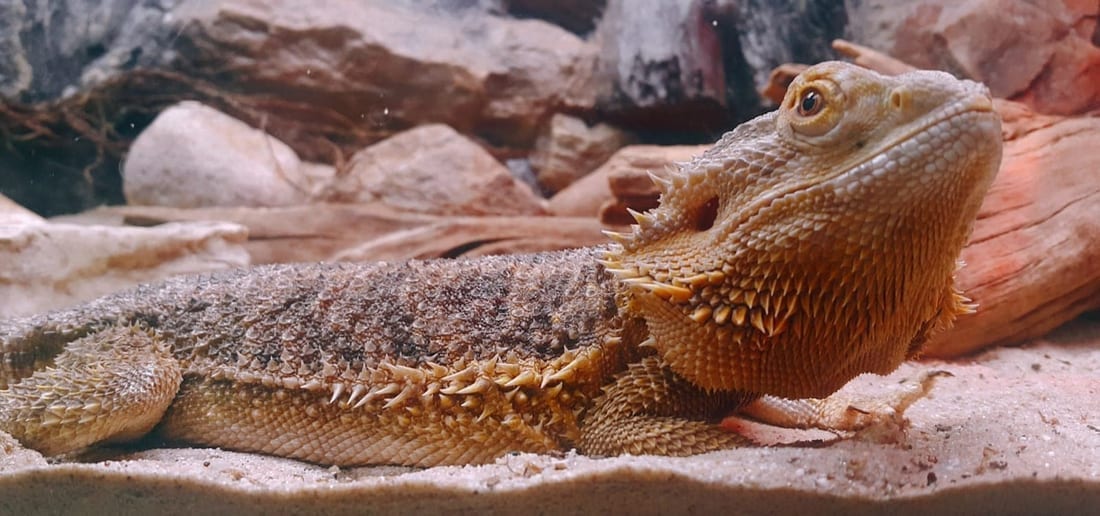
Reptiles are ectotherms. They do not generate useful body heat, so they regulate by physically moving between warm and cool zones, which only works if both zones exist at once. The MSD Veterinary Manual frames the enclosure as needing temperature and humidity gradients so the animal can select warm dry spots or cooler moist ones. Basking temperatures run about 5°C above the air gradient, and at night the whole range drops by about 5°C.
| Species | Preferred air range (MSD) | Basking |
|---|---|---|
| Corn and rat snakes | 25 to 30°C, 77 to 86°F | About 5°C above the gradient |
| Bearded dragons | 25 to 32°C, 77 to 90°F | About 5°C above the gradient |
| Green iguanas | 29 to 33°C, 84 to 91°F | About 5°C above the gradient |
Three things break a gradient on party day. Moving the enclosure to a livelier room, which changes ambient temperature and usually the basking distance too. Leaving the animal out on a floor or a lap for an hour, cooling it well below anything it would choose. And opening the enclosure repeatedly so guests can look, which bleeds heat and humidity out of the tank each time.
Measure with an infrared temperature gun pointed at the actual basking surface. A dial thermometer suctioned to the glass reads the air near the glass, which is not the number that matters.
UVB stays on its normal schedule. Per MSD, UVB in the 290 to 300 nm band drives vitamin D3 synthesis and calcium regulation in most diurnal lizards and chelonians, fluorescent tubes need the animal within about 30 cm and get replaced every 9 to 12 months, and mercury vapour bulbs reach further but still get replaced annually. None of that pauses for a birthday, and the animal should not spend the day outside its range of it.
What Does a Reptile Birthday Feast Actually Look Like?
Bigger, more varied, and still dusted.
For an insectivore, the feast is a wider menu than the weekday one. Dubia roaches, hornworms, black soldier fly larvae and silkworms across one afternoon give a bearded dragon or an ackie monitor more to hunt than a single feeder type does. Prey stays no wider than the space between the animal’s eyes, on a birthday as on any other day. MSD is specific about supplementation: dust insects with a high-calcium reptile supplement such as calcium carbonate immediately before offering them, not in advance.
For a snake, the feast is one appropriately sized meal, and MSD is blunt about how it should arrive. Feeding live rodents is not advised, and is illegal in many countries, because of prey-induced trauma. A cornered rat can seriously injure a snake that is not hungry enough to commit. Freshly killed, or thawed and warmed, is the standard.
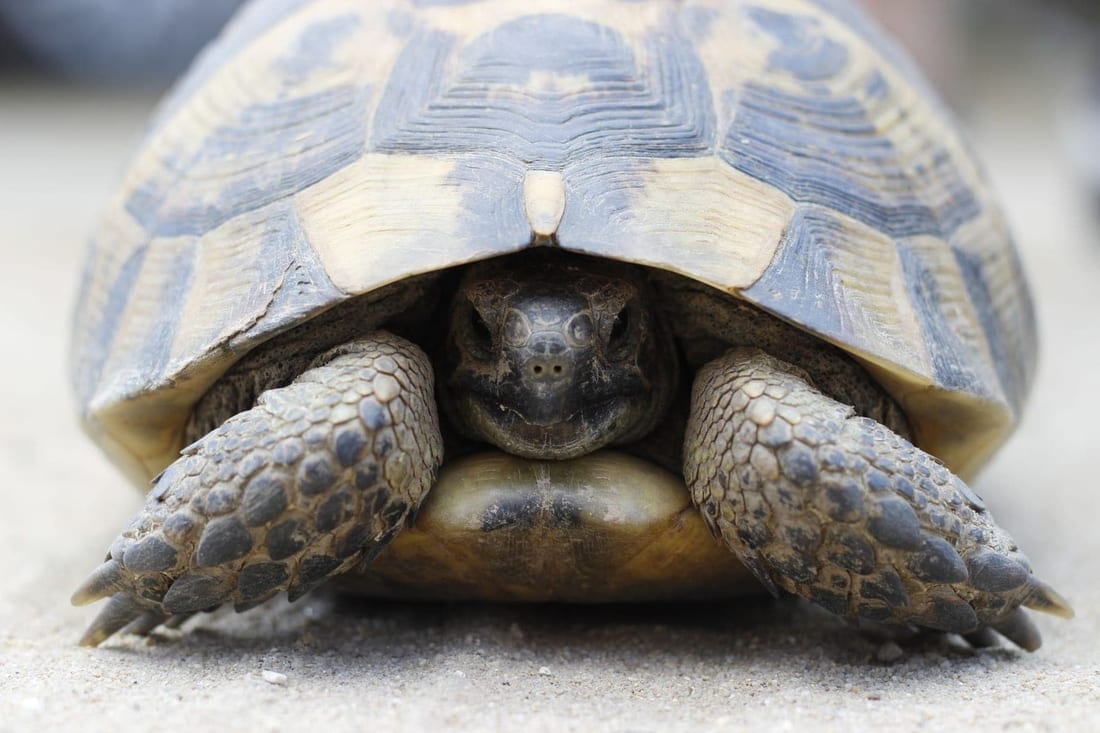
Herbivores get the easiest party of all. A tortoise offered a new grazing patch, a wider mix of weeds and greens, and a shallow soak is having a genuinely good day.
Some feeders are not treats at any size.
| Never offer | Why | Source |
|---|---|---|
| Fireflies, lightning bugs | Contain lucibufagins, cardiotoxic steroidal pyrones, roughly 90 µg per insect. One firefly can kill an adult bearded dragon | Cornell, Illinois Vet Med |
| Live rodents | Prey-induced trauma to the snake. Illegal in many countries | MSD |
| Wild-caught insects | Pesticide exposure and parasite load, neither of which you can see | MSD |
| Anything wider than the gap between the eyes | Impaction and regurgitation risk | MSD |
The firefly case is worth the extra sentence because summer birthdays are when people get the idea. Published case reports describe a bearded dragon that ate one, began violent head shaking, then gaped, went into respiratory distress, darkened from tan to black along the back, and died within the hour. Bearded dragons come from a part of Australia with no fireflies, so unlike native North American lizards they never evolved any aversion to them. Do not let a reptile hunt in a summer yard.
Why Can You Have the Feast or the Handling Photo, but Not Both?
Because of what happens either side of a meal.
Before the meal, an animal in food mode is running a feeding response. A ball python, a monitor or a tegu that associates the enclosure opening with dinner will strike at anything warm and moving, and on a birthday that is a hand reaching in with a phone in it. Tongs exist for exactly this. Use them for every feeder, every time, and never hand-feed from fingers.
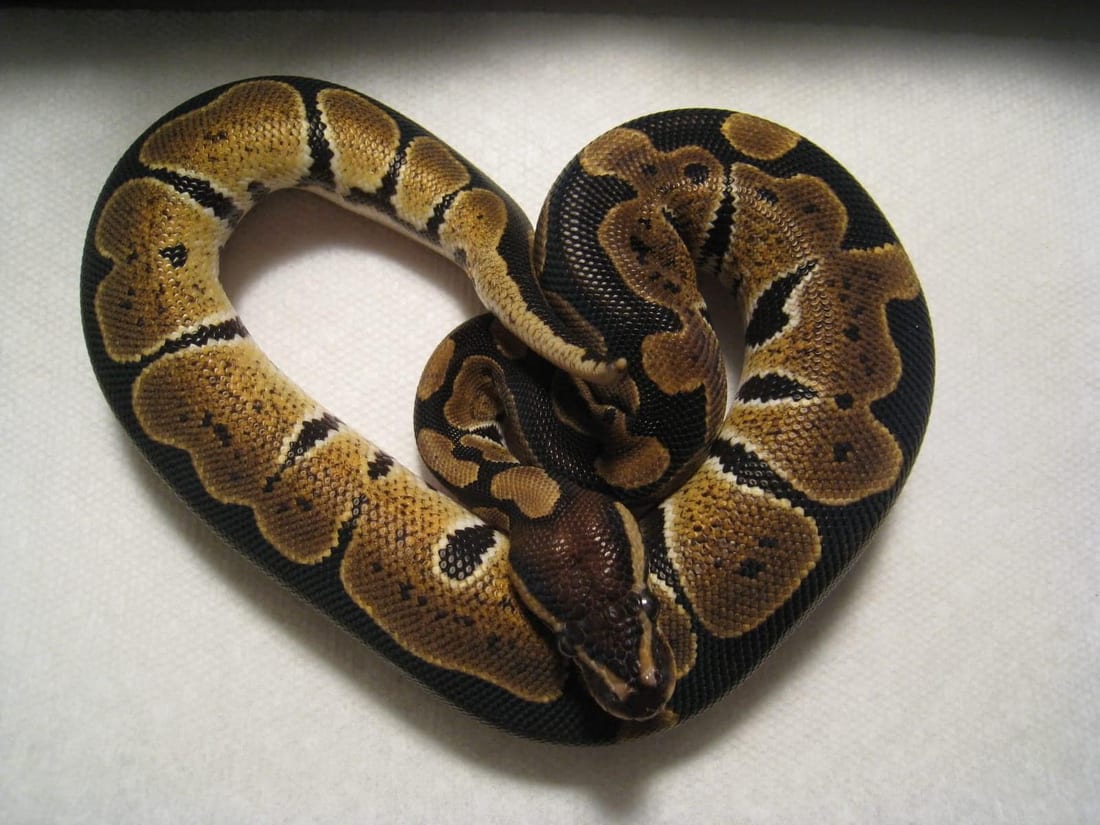
After the meal, handling causes regurgitation. The Merck Veterinary Manual advises not handling snakes for three days after feeding to reduce that risk. The RSPCA’s ball python guidance sets the floor at 48 hours. Either way, “we fed him and then got everyone to hold him” is how a birthday turns into a regurgitated rat on the carpet and a snake that then has to be left alone for a week.
The workable schedule is to split the celebration across two days. Handle and photograph on day one, on an empty stomach and at a normal enclosure temperature. Feed on day two and leave the animal alone afterwards. Or reverse it and photograph the hunt itself, which is better content anyway.
Should Guests Be Allowed to Hold the Animal?
Adults, briefly, with clean hands. Small children, no.
This is not squeamishness, it is CDC guidance and it is unusually direct. Reptiles and amphibians commonly carry Salmonella in their digestive tracts and shed it even when they look completely healthy. It spreads through contact with the animal, its enclosure, its water, its food and its equipment. Anyone who touches a reptile or anything in its environment should wash their hands with soap and water for at least 20 seconds immediately afterwards, and that includes after handling reptile food.
The CDC goes further on who should be handling reptiles at all. It does not recommend them for households with children under five, people with weakened immune systems, or adults 65 and older, and it states that children under five should not handle or touch reptiles, amphibians, or their environments. A birthday party is the single most likely occasion for a five-year-old to be handed a bearded dragon “just for a photo.” Decide the answer before anyone asks.
The practical version: put soap and a towel where guests will actually walk past them, keep food and drink out of the room with the enclosure, and make the party a viewing rather than a passing-around. If someone must hold the animal, one adult, seated, over a surface it can be recovered from, and hands washed the moment they set it down.
Does Substrate Matter More on Party Day?
It matters the same amount, but a party is when people start scattering food onto the floor of the enclosure.
MSD is specific about the failure mode: gravel and pebbles are not recommended for terrestrial species because they are hard to clean and are often ingested, which can obstruct the GI tract. That is the impaction risk, and it is real rather than forum folklore. It is also not an argument that all loose substrate is dangerous. MSD lists organic particulates such as bark chips among acceptable options alongside newspaper and artificial turf, and plenty of species do well on a properly chosen bioactive mix.
What changes the odds is how the food gets presented. Scatter feeding across a loose substrate means the animal takes mouthfuls of substrate along with the roach. On a birthday, when the point is a bigger and more enthusiastic feed than usual, that is a bad combination. Feed from a dish, a tile, a slate slab or tongs even if you scatter-feed the rest of the year, and put the enrichment somewhere else in the enclosure.
Which Reptile Do You Have?
The party format changes with body plan more than with species. A snake gets a feast and then solitude. A basking lizard gets terrain and a hunt. An arboreal gecko gets vertical routes and humidity. A tortoise gets a bigger world to walk across.
| Group | What the birthday looks like | Guides |
|---|---|---|
| Basking lizards | New terrain near the basking zone, varied feeder buffet, short handling window | Bearded dragon, Uromastyx, Chinese water dragon, Green iguana |
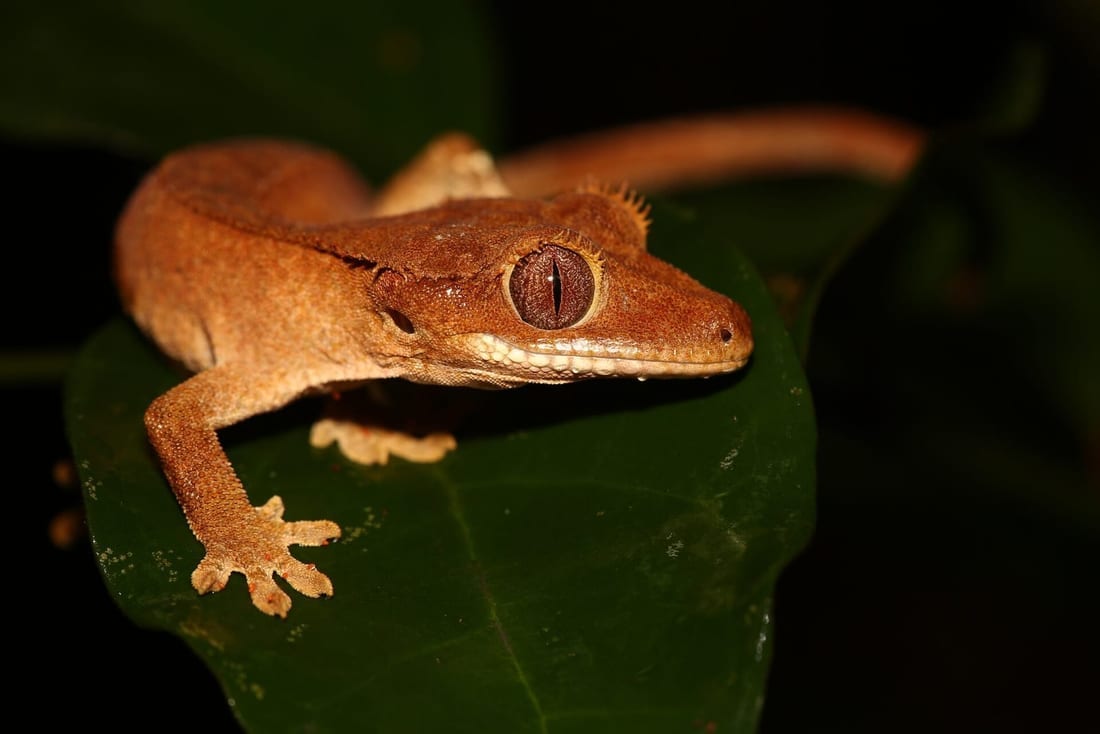
| Geckos | Ground or vertical depending on species, humid hide refresh, small feeders | Leopard gecko, Crested gecko |
| Snakes | One meal, then three days of being left alone. Handle on a different day | Ball python, Corn snake, Hognose, King snake |
| Monitors, tegus and skinks | Serious feeding response, real enrichment appetite, tongs mandatory | Ackie monitor, Savannah monitor, Tegu, Blue-tongued skink |
| Chameleons | Look, do not touch, and never introduce a second one | Veiled chameleon, Panther chameleon |
| Tortoises and turtles | A new grazing area, a wider mix of greens, a shallow soak | Russian tortoise, Sulcata, Box turtle, Red-eared slider, Painted turtle |
One correction worth making, because the pet trade blurs it constantly. Dart frogs, tree frogs, axolotls and salamanders are amphibians, not reptiles. Their skin is permeable and absorbs what it touches, including the oils and residues on your hands, so handling is not a shortened version of reptile handling. It is off the table. The dart frog and White’s tree frog guides cover those separately, and the CDC’s Salmonella guidance above applies to them as much as to any reptile.
Can Two Reptiles Share a Party?
Almost always no, and this is the piece of party advice most likely to get an animal hurt.
MSD states the principle plainly: ideally only a single species should be kept in any enclosure. It goes further on individuals, noting that most non-breeding pet snakes and aquatic turtles are best kept as single pets because trauma while feeding is common in groups. Chameleons get the strongest wording of all, described as so territorial that captive pets must be isolated to survive long term.
So a two-reptile household celebrates twice, in two enclosures, on two occasions if the feeding schedules allow. Putting a second animal into an enclosure for a group photo introduces a stranger, a territory dispute and, if either one is in food mode, a bite. Cohabitation stress also runs silent: the subordinate animal in a shared tank often just stops basking and stops eating, and by the time that is visible it has been going on for weeks.
If you want a photo of both, put them side by side in their own enclosures and shoot through the glass.
Reptile Birthday Supplies
The genuinely useful reptile gifts are husbandry items, because a reptile has no concept of a present but a very direct relationship with its equipment.
- Etekcity infrared thermometer, laser temperature gun. Around $22. Reads the actual surface temperature at the basking spot in a second, which is the number every care sheet quotes and the one most keepers are guessing at.
- Cork bark hides, 4 pack. Around $10. Four pieces means you can rebuild the layout properly rather than nudging one thing, and cork works for ground species and climbers alike.
- Two in one humid hide with terracotta water basin. Around $20. A shedding aid that doubles as a birthday upgrade for leopard geckos, crested geckos and anything else that needs a moist retreat.
- Feeder insects for reptiles. Worth a look, though live feeders in quantity usually come better and fresher from a dedicated feeder supplier than from a marketplace listing. Dried grubs sold for chickens are not the same product.
Prices checked August 1, 2026. For the general framework that applies to any species, see the pet birthday party guide, and if your animal came without a hatch date, the gotcha day party ideas guide covers building the tradition around the day you brought it home instead.
As an Amazon Associate we earn from qualifying purchases.
Sources
- MSD Veterinary Manual: Management and Husbandry of Reptiles
- Merck Veterinary Manual: Nutrition in Snakes
- CDC: Reptiles and Amphibians, Healthy Pets Healthy People
- Cornell Chronicle: Poisonous North American fireflies are killing exotic zoo and pet lizards
- University of Illinois College of Veterinary Medicine: Lightning Bugs Toxic to Bearded Dragons
- RSPCA: How to care for a royal python
All veterinary and public health guidance above verified August 1, 2026.
- You
- Your pets
- Confirm