
Red-Eared Slider Birthday Party Ideas: Celebrating Your RES
Red-eared slider birthday ideas from aquatic turtle keepers: the birthday feast that won't spike ammonia, tank prep, basking setup, and why the tankiversary matters more than the hatch date for most slider keepers.
As an Amazon Associate we earn from qualifying purchases.
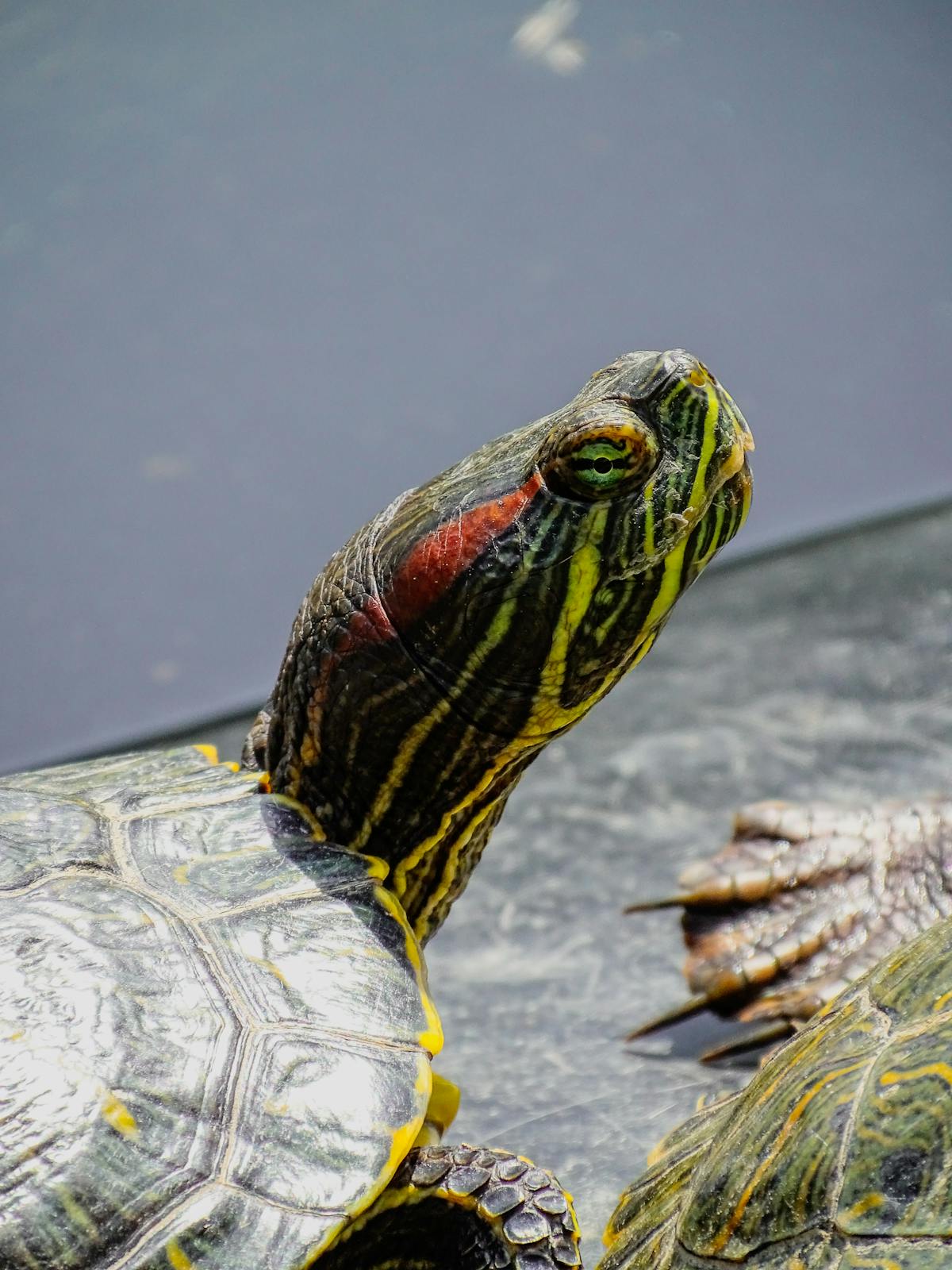
Red-eared slider birthdays, usually called tankiversaries, center on a variety feeding day, a clean tank prepared in advance, and ideally some basking time in natural sunlight if weather allows. The tankiversary matters more than the hatch date for most RES keepers because sliders purchased from pet stores almost never come with hatch dates. The anniversary of when the turtle came home, or when the tank was set up, is the functional birthday for the majority of the community. The celebration itself is a genuine feast with variety protein and plant matter, clean dechlorinated water, and a good basking opportunity. Here’s how to do it right.
Tank Prep Before the Birthday Feast
The birthday setup starts with the tank, not the food. Per VCA Hospitals’ red-eared slider care guide, water quality is the most critical factor in aquatic turtle health. A partial water change before the birthday feast gives your slider the cleanest possible water for their special day.
25 to 30% water change. Use dechlorinated water at the same temperature as the tank. Temperature matching is important: sudden temperature shifts stress aquatic turtles. Match the replacement water temperature within 2°F of the current tank temperature.
Test ammonia and nitrite. Both should be zero in a properly cycled tank. If either is elevated, do the water change first and retest. Don’t proceed with extra feeding into a tank with elevated ammonia: overfeeding is the most common cause of water quality problems in aquatic turtle setups, and the birthday feast makes this risk higher.
Tank size check. The standard guideline for red-eared sliders is 10 gallons per inch of shell length. An adult slider (typically 7 to 12 inches) needs a very large tank: 75 to 120 gallons is the community standard for an adult. If your slider’s tank is undersized, the birthday is a good occasion to plan an upgrade.
The Birthday Feast: What RES Actually Eat
Red-eared sliders are omnivores that shift toward more herbivory as they mature. Juveniles eat more protein; adults eat more plant matter. The birthday feast should reflect the turtle’s current life stage.
Commercial pellets. High-quality turtle pellets (ReptoMin is a community standard) as the base of the feast. These are nutritionally complete and most sliders eat them eagerly.
Variety protein (for the birthday treat). Bloodworms (frozen cube, thawed), brine shrimp, feeder shrimp, small pieces of tilapia or other fish. Offer these alongside or instead of the usual pellets for the birthday variety component.
Plant matter. Romaine lettuce, red leaf lettuce, dandelion greens, water hyacinth, or duckweed if you can source it. Aquatic plants are also enrichment, not just food. A piece of fresh lettuce on the water surface gives the turtle something to forage.
What to avoid. Feeder fish (goldfish especially carry thiaminase). Wild-caught prey. Processed food with added salt. Avocado (toxic per ASPCA). Too much fruit (aquatic turtles don’t need much fruit).
Live fish, occasionally. That feeder-fish caution above is about regular diet, not the occasional birthday hunt. A few small feeder fish, never goldfish, work fine as birthday enrichment: they give the slider something to chase, and most sliders treat the hunt itself as the reward. Pull anything still swimming after 24 to 48 hours and watch ammonia closely in the days after. A live-fish hunt taxes water quality the same way any other feeding does.
The overfeeding risk. Offer only what the turtle can eat in 15 to 20 minutes. Remove uneaten food promptly. Uneaten food breaks down into ammonia very quickly in warm aquatic turtle tanks. The birthday feast requires more active food management than a normal feeding day, not less.
If your slider skips the feast entirely, don’t panic. Aquatic turtles go off food seasonally, a reduced fall appetite is common and mirrors brumation in other reptiles, and they’ll also refuse food when water quality or temperature is off. Check the water temperature (72 to 76°F), retest ammonia, and confirm basking temperature before assuming something’s wrong. A slider still not eating after two weeks of correct parameters needs a reptile vet, birthday or not.
Basking: The Birthday Outdoor Option
Red-eared sliders need significant basking time to regulate their body temperature and synthesize vitamin D3. Indoor setups use a basking lamp (providing a surface temperature of 85 to 90°F on the basking platform) and a UVB bulb.
For a warm, sunny birthday, outdoor basking time is the premium option. A secure, shallow container of dechlorinated water in full sun, monitored directly, gives the slider natural sunlight that indoor UVB bulbs can’t fully replicate. Keep the session supervised, keep the water shallow enough that the turtle can rest with its head above water easily, and bring the turtle inside before it overheats (if the water temperature exceeds 85°F in the container, it’s time to stop).
The Birthday Photo Session
Red-eared sliders aren’t typically handleable for extended photo sessions. Most are not strongly bonded to their keepers in the way a mammal or a beardie is, and handling stresses many individuals. If yours hisses when you pick it up, that’s not a growl. It’s air being forced out as the turtle yanks itself into its shell, a stress signal, not a vocalization. Take the hint and work through the glass instead. Here’s what works best:
Through the glass. Position the camera at tank height and wait for the turtle to swim or bask near the front glass. Natural moments, eating or looking at you, produce better photos than posed handling shots.
During feeding. Hold a piece of bloodworm or romaine near the front glass during the feast. The turtle will come to investigate and the approach is a good photo opportunity.
The basking profile. A slider fully extended on a basking platform, with all four legs out for maximum heat absorption, is a classic profile photo. These are taken at the level of the basking area through the tank side.
The tankiversary label shot. A photo of the turtle with a small sign outside the tank: “Tankiversary Year 3” or the turtle’s name and date. Community standard format for the tankiversary post.
How Long Do Red-Eared Sliders Live?
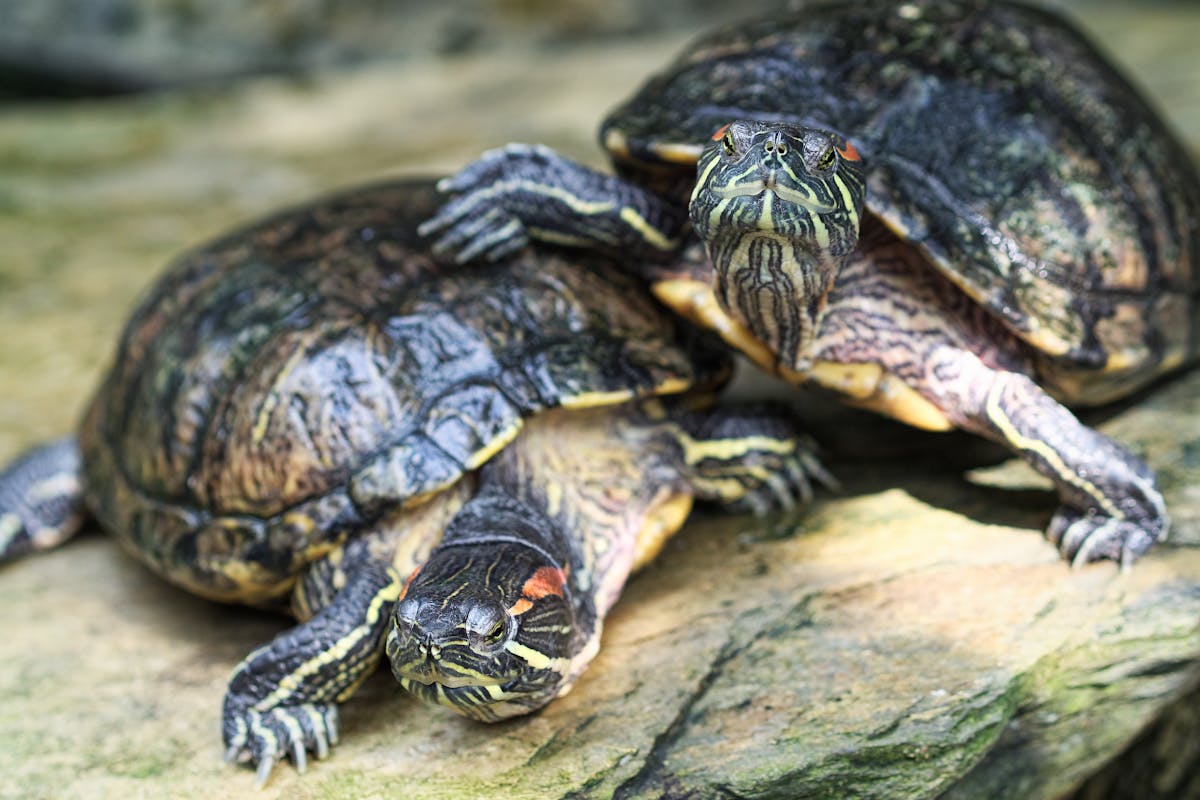
Red-eared sliders regularly live 20 to 40 years in captivity with proper care. This is a serious long-term commitment. They also grow significantly larger than most people expect when purchasing a quarter-sized hatchling from a fair or pet store. The birthday is a good occasion to audit the current setup and make sure it’s meeting the turtle’s needs at its current size.
Party Supplies
- ReptoMin Turtle Food Sticks, the community-standard base pellet for the birthday feast.
- Turtle Basking Platform Dock, for the birthday tank-size audit and basking upgrade.
- Aquarium Water Conditioner, for the pre-feast water change.
Sources
- VCA Hospitals: Red-Eared Slider Turtles
- ASPCA Animal Poison Control: People Foods to Avoid Feeding Your Pets
For the box turtle birthday (terrestrial): Box Turtle Birthday Party Ideas
For the betta fish tankiversary: Betta Fish Birthday Party Ideas
- You
- Your pets
- Confirm