
Best Reptile Enrichment Gear: What Actually Gets Used
Reptile enrichment reviewed across four categories: climbing branches, basking platforms, hides, and foraging feeders. What works for bearded dragons, geckos and snakes, and the safety rules each category carries.
As an Amazon Associate we earn from qualifying purchases.
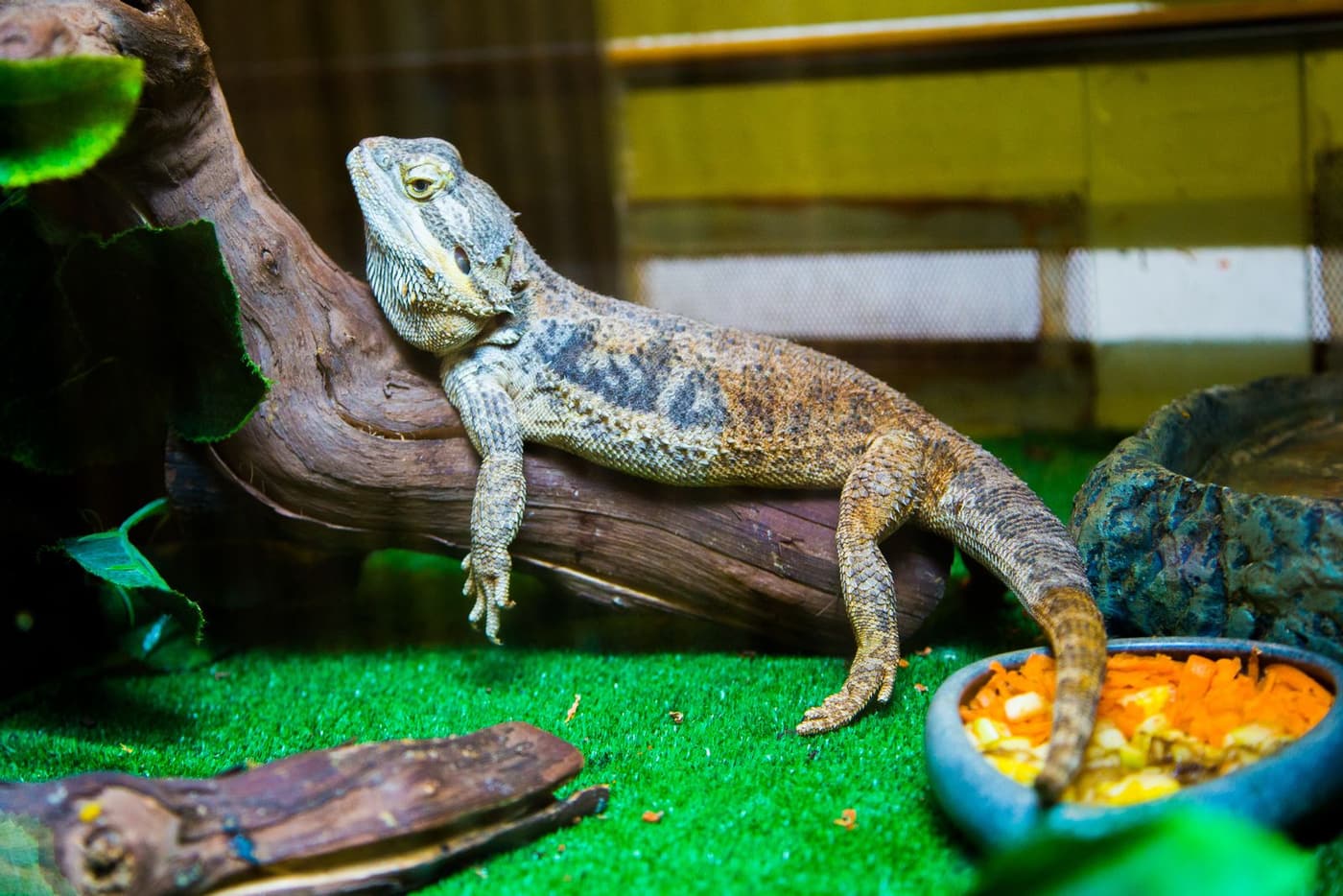
Reptile enrichment that works changes how the animal moves, where it can hide, and how hard it has to work for food. Four categories cover almost all of it: a climbing branch, a raised basking surface, at least three hides, and a feeder that slows a meal down. Everything else is decoration for the keeper.
Product titles and availability below were checked against each listing on August 26, 2026.
Is Reptile Enrichment a Real Thing or a Marketing Word?
It’s real, and the research case for it is older than the pet aisle.
Gordon Burghardt’s 2013 review in Applied Animal Behaviour Science, volume 147, is the paper most often cited on this, and its argument is that reptiles and amphibians were left out of the enrichment conversation for decades because nobody credited them with enough going on to be bored. The abstract is direct about what the evidence actually shows: these animals demonstrate sophisticated communication, problem solving, parental care, play and complex sociality, and captive collections have historically failed to give them environments worth living in.
That is the whole logic of every product below. A hide is not a decoration, it’s the thing that lets an animal stop being vigilant. A branch is not scenery, it’s a route. And a feeder that makes a roach harder to catch is running the same predatory sequence the animal would run in a wash in central Australia.
The MSD Veterinary Manual puts the same idea in husbandry terms, listing retreats such as cardboard boxes, cork bark and shredded paper as necessary rather than optional, and calling for clean, secure branches for arboreal species. Necessary. Not enrichment in the sense of a treat.
| Category | Pick | Best for | Where it goes wrong |
|---|---|---|---|
| Climbing | Fluker’s Bend-A-Branch, Large | Chameleons, cresteds, tree frogs, young beardies | Anchored badly, so it shifts under weight |
| Basking surface | Penn-Plax Reptology Lizard Lounger | Bearded dragons, anoles, geckos | Suction cups let go on a dusty pane |
| Hides | Cork bark, four pieces | Every terrestrial species | Only one hide, on the warm side |
| Humid hide | Two in one humid cave with water basin | Leopard geckos, cresteds, shedding animals | Left dry, so it’s just a cave |
| Foraging | Escape proof worm dish | Insectivores on loose substrate | Feeding straight onto substrate instead |
| Measurement | Infrared thermometer | Everything with a basking lamp | Not owned at all, so the rest is guesswork |
Best Climbing Gear: Fluker’s Bend-A-Branch
The Fluker’s Bend-A-Branch is a six foot flexible branch, sold in three diameters, that holds whatever shape you bend it into. You wedge or fix the ends, and the animal has a route that did not exist yesterday. That is the point. A fixed piece of driftwood is a good thing to own once. A bendable branch is a good thing to own repeatedly, because rearranging it costs nothing and produces a genuinely new enclosure.
The large diameter is the one to buy for anything with weight to it. Chameleons, adult crested geckos and young bearded dragons all want a horizontal or diagonal run they can actually grip, and the thin version flexes under a heavier animal in a way that teaches it not to trust the branch. Buy for the adult size of your animal, not the current one.
Two failure modes, both avoidable. The first is anchoring: a branch that moves when the animal steps on it stops getting used within a week, so fix both ends properly rather than balancing it on a rock. The second is placement, and this one matters more than the product. Nothing you add to an enclosure may sit between the basking bulb and the animal, or block the route to the cool end. MSD frames the enclosure as needing a thermal gradient with the heat source positioned toward one end. A beautiful new branch that shades the basking spot has quietly made the enclosure worse.
Best Basking Platform: Penn-Plax Reptology Lizard Lounger
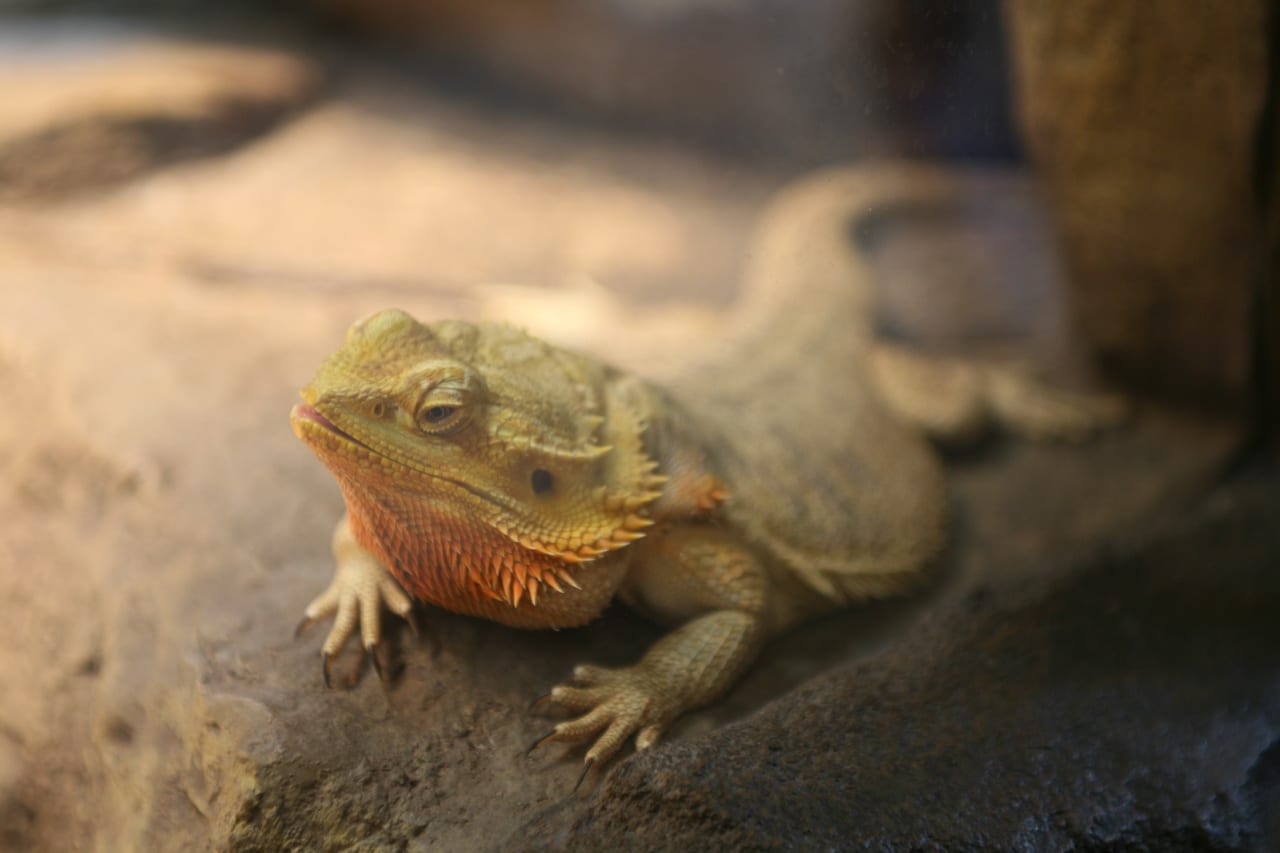
The Penn-Plax Reptology Lizard Lounger is a woven natural seagrass hammock that mounts to the glass with suction cups, sold in several sizes and shapes including a corner triangle and a longer flat platform. It solves a specific problem: a basking lizard wants to get closer to the lamp, and the floor of a tall enclosure is the wrong distance from it. A raised platform lets the animal choose its own distance from the heat, which is the whole mechanism reptiles use to regulate temperature.
Seagrass turns out to be a sensible material for this. The woven surface gives a bearded dragon something to grip, which smooth plastic does not, and the whole thing is cheap enough that a chewed one isn’t a disaster.
The honest weakness is the mounting. Suction cups fail on glass that has any dust, water spots or residue on it, and they fail more often in a warm dry enclosure than they do in an aquarium. Clean the glass with plain water before mounting, press hard, then load the platform with your hand to see if it slips before you trust an animal to it. Check it weekly. If your enclosure is a PVC or wooden build rather than glass, skip suction cups entirely and buy a ledge that screws or clips to the wall instead.
One more thing worth saying plainly. A basking platform is not a substitute for knowing the basking temperature, and it changes that temperature the moment you install it, because it moves the animal several inches closer to the bulb.
Best Hides: Cork Bark, Bought Four at a Time
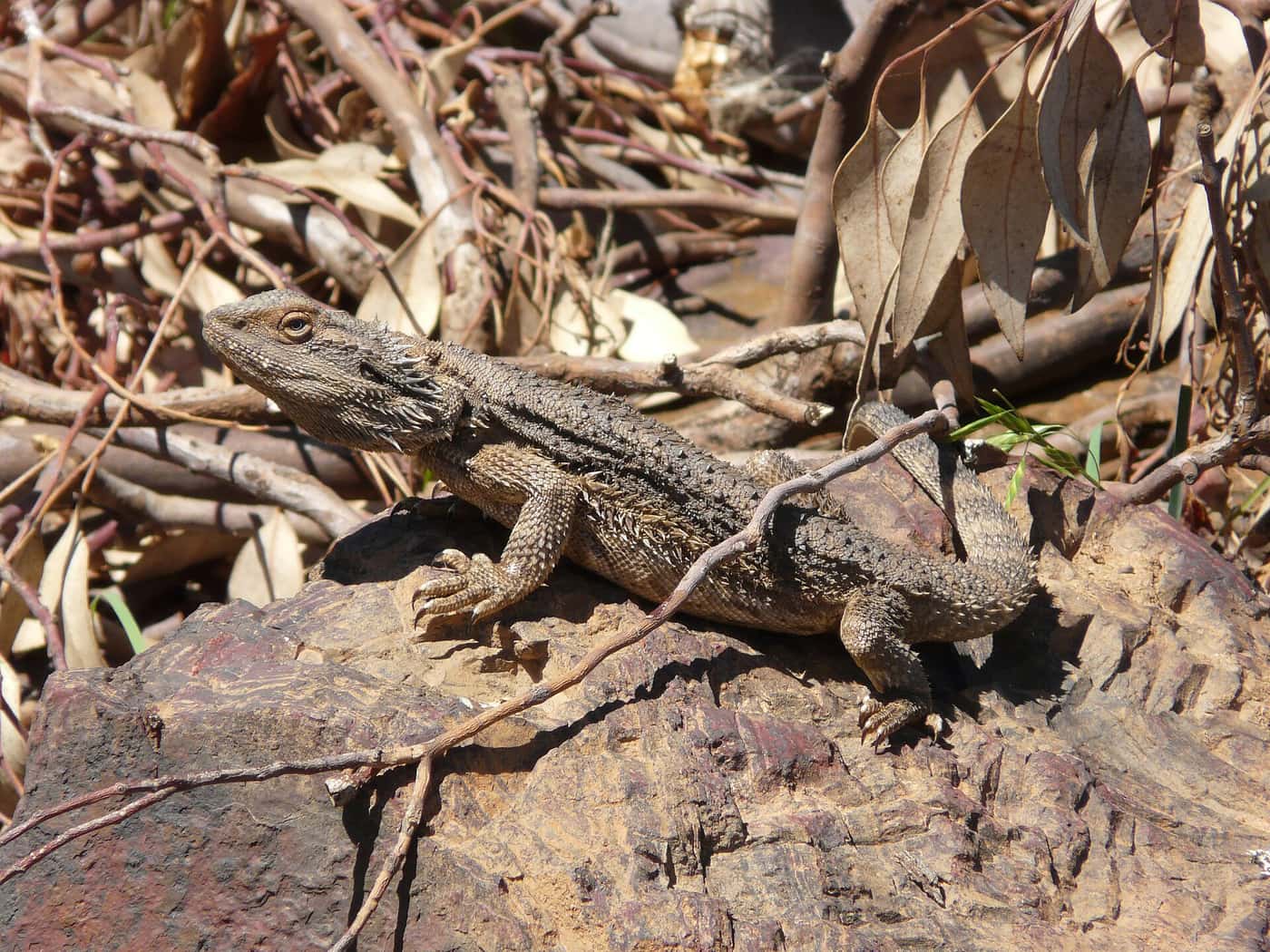
Most enclosures have one hide, on the warm side, and the animal is using it because it’s the only option rather than because the temperature there is right. That’s the single most common husbandry gap in a tank that otherwise looks well kept.
A four pack of natural cork bark fixes it in one purchase. Cork is light, it doesn’t rot the way untreated softwood does, it comes in curved sections that work as tunnels and flats that work as ledges, and it’s the material MSD names alongside cardboard boxes and shredded paper as an acceptable retreat. Four pieces is the number that matters, because it lets you build a hide at the warm end, a hide at the cool end, and a couple of intermediate stops, which means the animal can pick a temperature without giving up cover.
The rule underneath this: a reptile should never have to choose between the temperature it wants and being hidden. If those two things are in different places, it will pick one and pay for the other.
Curved cork does one more job that gets overlooked. A snake pressed against the inside of a tight tunnel is getting contact on both sides of its body, which is what a snake means by secure. A wide open plastic cave is a room, not a hide.
The Humid Hide Is a Separate Purchase
Shedding is where hides stop being about comfort. The Merck Veterinary Manual lists low humidity first among the causes of dysecdysis, its term for an abnormal shed, alongside parasites, nutritional deficiency, infectious disease and a lack of abrasive surfaces to rub against. It also names where the trouble shows up: eyecaps, and annular bands of skin left behind on the tail and the digits.
A two in one humid cave with a terracotta water basin covers both halves at once: a chamber you pack with damp sphagnum moss or coco fibre, and a water dish built into the top so the enclosure isn’t carrying two separate objects. Leopard geckos, crested geckos and anything else that sheds in one piece should have access to it permanently, not just when you notice a dull looking animal.
Two things to get right. Damp means damp, not wet, so the moss should hold together when squeezed without dripping. And the hide gets cleaned properly on a schedule, because a warm humid box with organic matter in it is also an excellent place to grow mould.
Best Foraging Setup: A Dish That Insects Can’t Climb Out Of
Foraging is the enrichment category where the wrong version of the good idea causes actual harm.
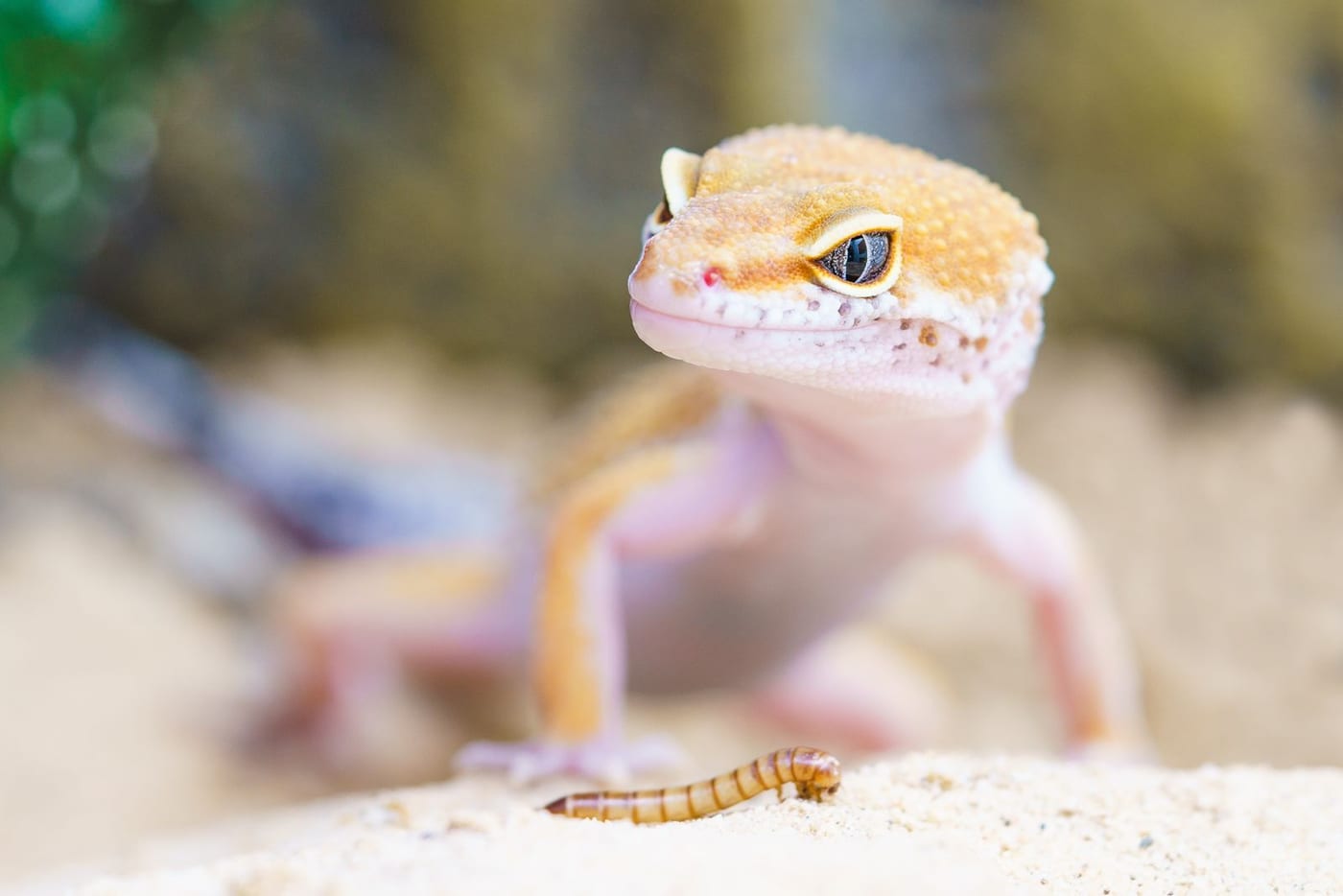
Scatter feeding is genuinely good for insectivores. It’s also the fastest way to get substrate into an animal, because a gecko taking a mouthful of sand with every roach is doing that thirty times a week. MSD is direct about the mechanism it worries about: gravel and pebbles are not recommended for terrestrial species because they’re difficult to clean and often ingested, which can obstruct the gastrointestinal tract. The manual lists newspaper, artificial turf and organic particulates such as bark chips among the acceptable options, so this isn’t an argument that all loose substrate is dangerous. It’s an argument about how the food gets presented on top of it.
An escape proof worm dish is the compromise that keeps the hunt without the mouthful of substrate. The rim curves inward, so mealworms, superworms and small roaches stay visible and stay put, and the animal has to reach in and work rather than swallow whatever is nearest. Ceramic and stainless are the materials to look for. A deep smooth wall is the feature that actually does the work, so ignore the shape of the thing and read the wall profile.
Two adjacent habits are worth more than any product here. Feed from tongs for anything with a real feeding response, which means monitors, tegus and most snakes, every time and without exception. And vary the feeder insect rather than the toy: dubia roaches, hornworms, black soldier fly larvae and silkworms across a week give a bearded dragon four different hunts, which no single object can.
Prey stays no wider than the gap between the animal’s eyes. That’s true on a birthday too.
The Item That Makes the Rest Work: An Infrared Thermometer
Every recommendation above changes the temperature the animal experiences. A platform moves it closer to the lamp. A branch casts a shadow. A new hide creates a pocket that reads eight degrees off the rest of the enclosure.
An infrared thermometer reads the surface the animal is actually lying on, in about a second. A dial thermometer stuck to the glass reads the air next to the glass, which is a different number in a different place, and a keeper working from that number can be wrong by a wide margin without ever knowing it.
Run the enclosure after any change: basking surface, warm end floor, cool end floor, and the inside of the new hide. You’re checking a spread rather than one figure, because the whole point of the layout is that the animal has warm and cool options at the same time. MSD specifies that heat sources should be thermostat controlled and screened from the animals, which is the sentence that rules out heat rocks. A heated object the animal lies directly on has no gradient at all, and a reptile will not reliably move off something that is burning it.
What Changes by Species
The categories are the same. The weighting is not.
Bearded dragons and other basking lizards. Horizontal space, a raised basking surface at a measured distance from the bulb, a varied feeder buffet, and UVB that’s actually in date. MSD puts UVB in the 290 to 300 nm band as important for vitamin D3 synthesis and calcium regulation in most diurnal lizards and chelonians, with fluorescent tubes needing the animal within about 30 cm and replacement every 9 to 12 months. A dragon under a two year old tube is under a lamp that still lights up and no longer does the job. Full setup in bearded dragon birthday party ideas.
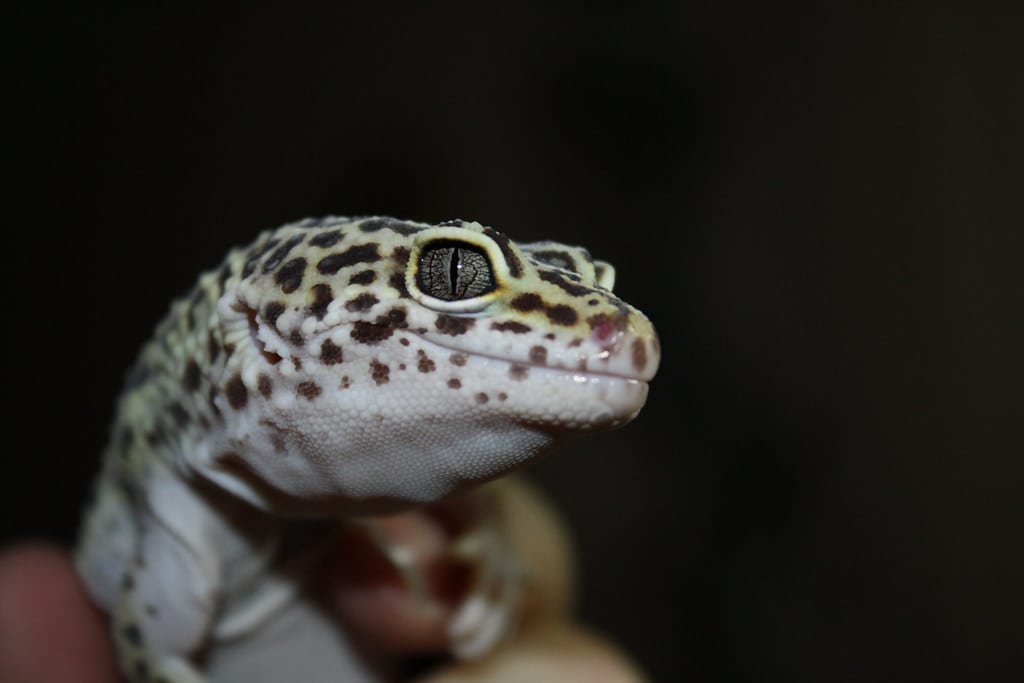
Leopard geckos. Three hides, one humid, and a dish that keeps insects contained. Ground level furniture beats height. The leopard gecko guide covers the rest.
Crested geckos and other arboreal species. Vertical routes, foliage to break sight lines, and humidity that cycles rather than sits high all day. Branches earn their money here more than anywhere else. See crested gecko birthday party ideas.
Snakes. Tight hides at both ends, something to climb even for terrestrial species, and one properly sized meal. Then leave the animal alone. Handling after feeding risks regurgitation, which is why a snake’s celebration gets split across two days in the ball python and corn snake guides.
Tortoises. A bigger world to walk across, a wider mix of greens, and a shallow soak. Enrichment for a grazer is area, not objects. Russian tortoise and sulcata have the specifics.
What Not to Buy
Heat rocks. Covered above, and worth repeating because they’re still on shelves.
Anything with loose fibre loops. Frayed rope and unravelling fabric hammocks catch toes and claws. Seagrass weave that stays woven is fine; a rope that’s already shedding threads in the box is not.
Cohabitation furniture sold as a social upgrade. MSD states that ideally only a single species should be kept in any enclosure, and notes that most pet snakes and aquatic turtles do best as single animals because trauma during feeding is common in groups. A second animal is not enrichment.
Painted resin ornaments with unspecified finishes. If a product page can’t say what the coating is, treat the coating as unknown rather than as safe.
Plastic plants with wire ends exposed. Fine product, poor manufacturing, and the exposed end is at eye height for a climbing gecko.
Where the Money Actually Goes
If you’re buying once, buy the hides and the thermometer. Cover and measurement are the two things the animal cannot work around, and they’re the two cheapest categories here.
If you’re buying for a birthday specifically, buy the branch, because rearranging the enclosure is the closest a reptile gets to unwrapping something. The reptile birthday party guide has the format for the day itself, including why the feast and the handling photo can’t share a date, and exotic pet birthday party ideas covers the same question for invertebrates, amphibians and small exotic mammals.
As an Amazon Associate, Party Pelican earns from qualifying purchases.
Sources
- MSD Veterinary Manual: Management and Husbandry of Reptiles
- Burghardt GM. “Environmental enrichment and cognitive complexity in reptiles and amphibians: concepts, review, and implications for captive populations.” Applied Animal Behaviour Science, 2013, vol. 147, issues 3-4, pp. 286-298, sciencedirect.com
- Merck Veterinary Manual: Environmental Diseases and Traumatic Injuries of Reptiles
- Fluker’s Small Animal Bend-A-Branch Pet Habitat Decor, Large, Amazon
- PENN-PLAX Reptology Lizard Lounger, natural seagrass, Amazon
- IMIKEYA reptile tree bark hides, 4 pack, Amazon
- NANEEZOO 2 in 1 reptile humid cave with terracotta water basin, Amazon
- Etekcity infrared thermometer laser temperature gun, Amazon
Veterinary guidance and product listings verified August 26, 2026.
- You
- Your pets
- Confirm