
Dog Gotcha Day: How to Celebrate the Day You Adopted Your Dog
How to celebrate a dog's Gotcha Day: picking the date, the sniff-led walk that actually means something to the dog, safe treat portions, and what to do when the dog is still settling in.
As an Amazon Associate we earn from qualifying purchases.
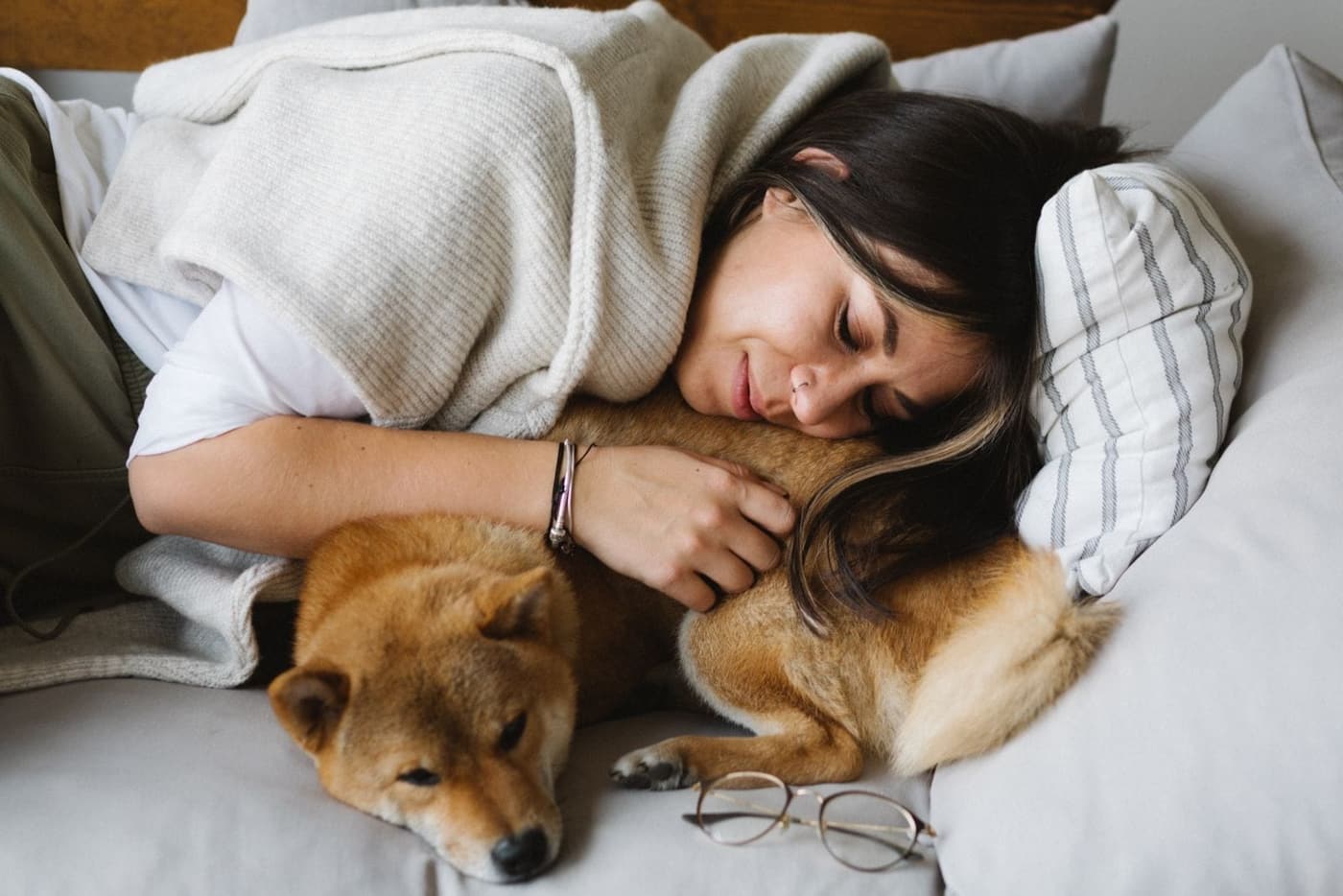
A dog’s Gotcha Day is the anniversary of the day you adopted them, and the way to celebrate it is a long sniff-led walk, one new chew or toy, and a small portion of something they never normally get. For a rescue dog whose birthday was a shelter’s best guess, it’s the only date you know is true.
Everything past that is decoration. Useful decoration, and this guide covers all of it, but the walk and the chew are the celebration.
What Is a Dog Gotcha Day?
It’s the anniversary of the day your dog came home. Some people call it an adoptiversary, some call it homecoming day, some just call it the day we got her. The label doesn’t change the event.
The number of households with a date like this is enormous. Shelter Animals Count recorded 2.8 million dogs entering US shelters and rescues in 2025, and roughly 2 million dogs adopted out of them that same year. Two million dogs, two million dates, and for most of those dogs the adoption date is better documented than the birth date will ever be.
That’s the practical argument for Gotcha Day. The shelter wrote down when you signed. Nobody wrote down when the dog was born.
If you want the longer discussion of which occasion to celebrate, and what to do when you have both dates, Gotcha Day vs. birthday covers it. This page is about the doing.
Why Do Rescue Dogs Get a Gotcha Day Instead of a Birthday?
Because the birthday on the paperwork is usually a veterinarian’s estimate from a dental exam.
Shelters age dogs by tooth wear, tartar, eye clarity, and muscle tone. On a puppy that estimate is tight, sometimes within a couple of weeks. On an adult dog it’s a range, and the range gets wider the older the dog is. A shelter that lists a five-year-old mixed breed is often working with a real span of three to seven. The birth month printed on the adoption contract is frequently just the intake month with a year subtracted.
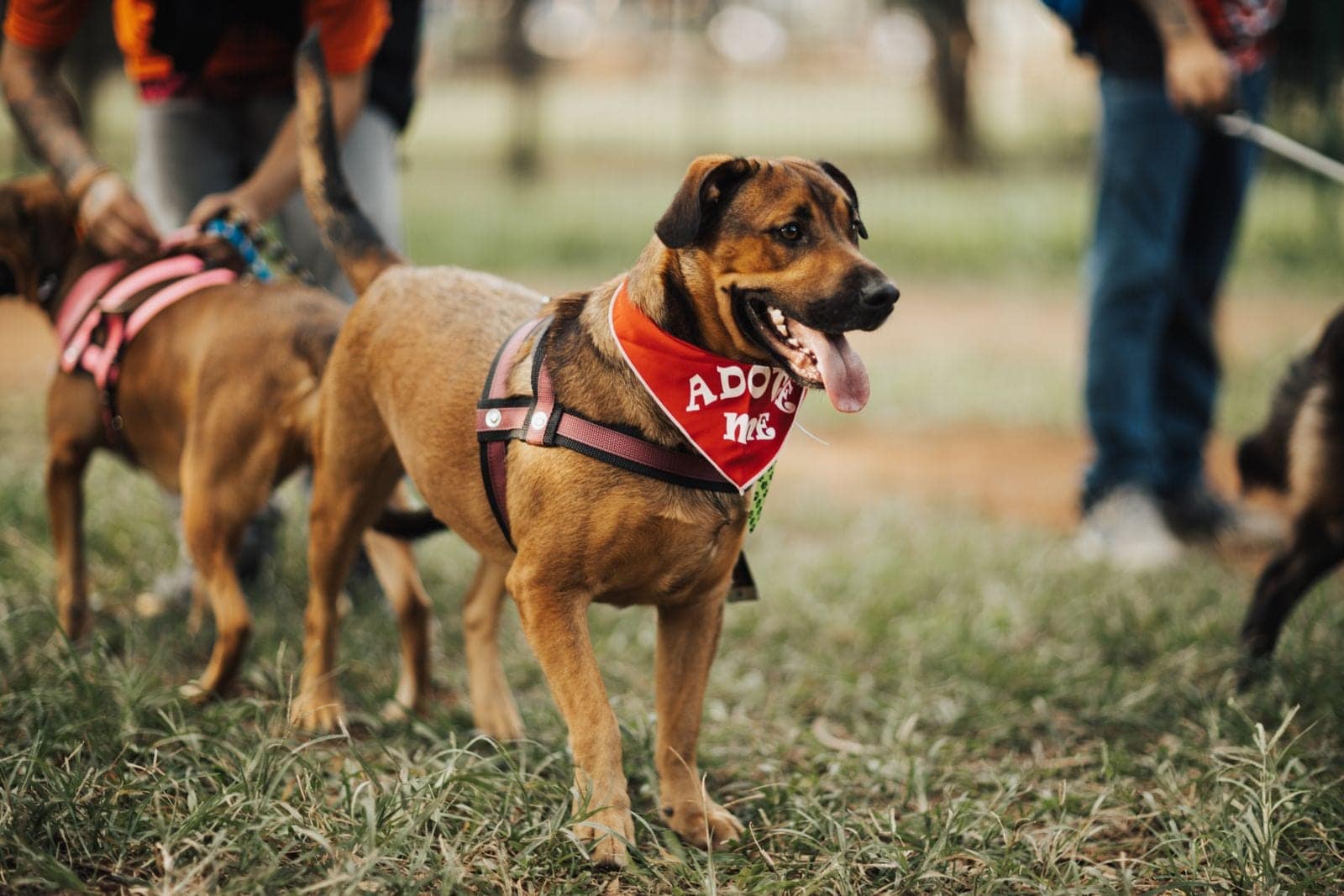
None of that is a criticism of shelters. Estimating is the only option available. But it does mean the birthday is a placeholder and the Gotcha Day is a fact, and celebrating the fact feels better than celebrating the placeholder.
There’s a second reason, and it’s the one people actually feel. A birthday belongs to the dog. A Gotcha Day belongs to both of you. It marks the day two lives got attached to each other, which is a different thing to celebrate and, for most adopters, the more moving one.
How Do You Pick the Gotcha Day Date?
Three candidates, and people use all three:
The adoption contract date. Cleanest option. It’s written down, it’s verifiable, and if you ever lose track you can find it again in a folder. Use this one unless you have a reason not to.
The homecoming date. Sometimes days or weeks after the contract, especially with a spay or neuter hold, a medical foster period, or a transport run from another state. If the dog signed on a Tuesday and slept in your house for the first time on a Saturday, plenty of people pick the Saturday. The Saturday is the day you remember.
The foster-fail date. If you fostered first, the adoption paperwork is a formality that happened weeks after the actual relationship started. Use whichever day feels honest. Foster failures tend to pick the day the dog arrived as a foster, not the day they stopped pretending it was temporary.
Pick one and write it in the calendar app with an annual repeat. That’s the entire administrative burden of this holiday.
What Should You Actually Do on Gotcha Day?
Here’s the honest hierarchy, best to worst, from the dog’s side of it.
A sniffari. This is the whole celebration if you only do one thing. You take the normal walk route, put the dog on a longer line, and let the nose lead. No pace, no destination, no correction for stopping at the same hydrant for four minutes. A 30 minute walk covering two blocks is a successful sniffari.
This isn’t sentimentality about letting dogs be dogs. Duranton and Horowitz ran a controlled study on it, published in Applied Animal Behaviour Science in 2019: twenty dogs, half doing two weeks of nosework games and half doing heelwork, then tested with a cognitive bias task. The nosework dogs approached an ambiguous bowl faster afterward, which is the standard behavioral marker for optimism in animals. The heelwork dogs didn’t change. Sniffing does something to a dog’s mood that walking to heel does not.
A new chew that takes real time. A bully stick, a filled rubber toy, a stuffed and frozen Kong. Twenty to forty minutes of hard, satisfying work. This is the closest thing a dog has to a great meal at a restaurant.
A new place. Not a busy place. A new trail, a different park at an off hour, a friend’s fenced yard the dog has never been in. Novelty is the gift; crowds are not.
A training win. Ten minutes of the tricks the dog already knows, paid in high value treats, ending while it’s still fun. Dogs enjoy being right about things.
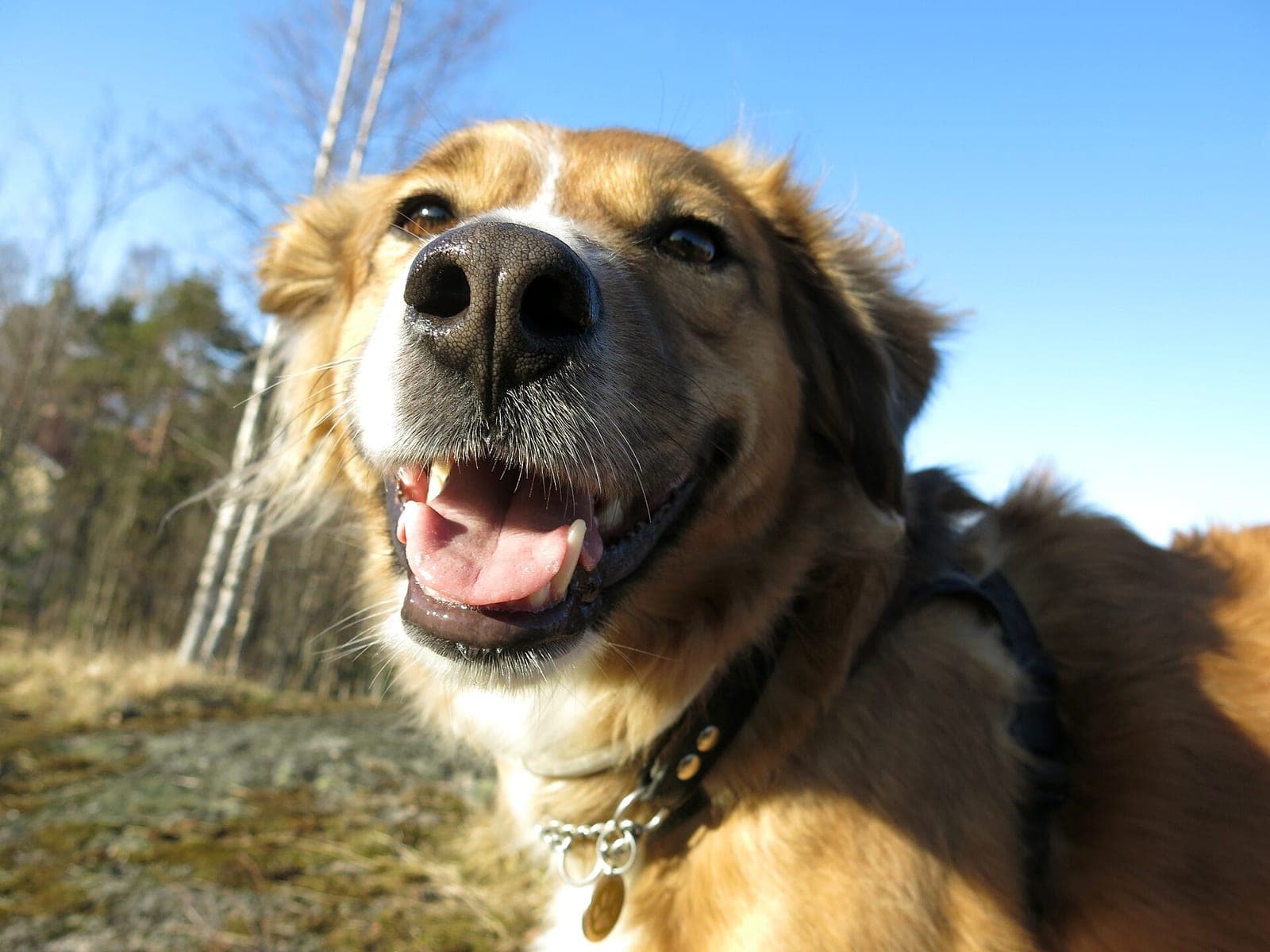
The annual photo. Same spot, same angle, every year. This one is purely for you and it’s the thing you’ll be glad about in year seven. If you have the shelter’s listing photo, put it next to this year’s. That side by side is the entire holiday in one image.
Notice what isn’t on the list: a party with unfamiliar dogs. That’s a birthday format. Gotcha Day is a household event, and a good one usually has fewer people in it than a normal Saturday.
What Do You Feed a Dog on Gotcha Day?
Something better than usual, in a portion small enough that nobody’s up at 2am with a sick dog.
The working number is the 10% rule: treats and extras should account for no more than about 10% of the dog’s daily calories, with the balanced food covering the other 90%. VCA states it plainly, and for a 30 pound dog eating around 700 calories a day, that ceiling is roughly 70 calories of celebration. A single bully stick can be 80 to 130 calories on its own. So the bully stick is the treat, not an addition to four other treats.
Safe and genuinely exciting, in rough order of how much dogs care:
- Cooked plain chicken, turkey, or lean beef, unseasoned, no bones
- Scrambled egg, no butter, no salt
- Plain canned pumpkin, a tablespoon or two
- Carrot, green beans, blueberries, watermelon with the seeds and rind removed
- A commercial dog cake mix or a bakery smash cake, portioned rather than handed over whole
The hard nos, per the ASPCA Animal Poison Control Center list: chocolate, xylitol, grapes and raisins, onion, garlic and chives, macadamia nuts, alcohol, raw yeast dough, and heavily salted foods. Two of those deserve a specific warning at a celebration, because they show up in food meant for humans. Xylitol hides in sugar-free frosting, sugar-free peanut butter and sugar-free baked goods, and the ASPCA notes it can cause hypoglycemia and potentially liver damage depending on the amount. Grapes and raisins hide in trail mix and carrot cake; tartaric acid is the suspected toxic component, and there’s no reliable safe dose.
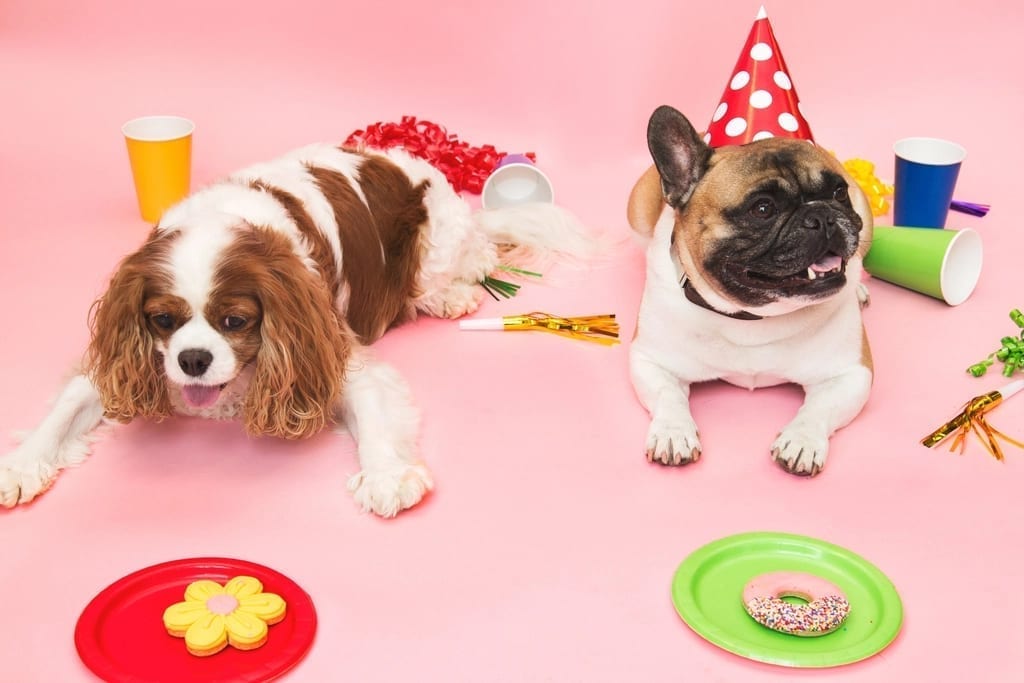
The full breakdown lives in what dogs can eat at a party. If you’re baking, the peanut butter cake recipe on this site uses xylitol-free peanut butter for exactly this reason.
What If Your Dog Is Still Settling In?
Then scale the whole thing down and don’t feel bad about it.
Shelters hand new adopters the 3-3-3 rule constantly: three days to decompress, three weeks to settle, three months to feel at home. ASPCApro publishes a version of it, and their own framing is careful. Most pets take about three months to feel fully comfortable, “however, some pets may need longer to adjust, and some may adapt more quickly.”
Not everyone likes the rule. Pat Miller, a certified behavior consultant writing in Whole Dog Journal in December 2022, argued for dropping the numbers entirely: “It’s a formula, and dogs are living, thinking, sentient individuals who don’t follow formulas.” She proposes phases instead of dates, shellshock to settle-in to rest-of-her-life, on the grounds that a rigid timeline sets adopters up to worry when their dog is at week five and still hiding.
Both positions land in the same practical place. If your dog’s first Gotcha Day arrives while she’s still startling at the dishwasher, the celebration is: her regular walk route, a chew she’s had before, and you on the floor near her. No hats, no visitors, no camera flash. A dog who spends her Gotcha Day under the bed is not having a Gotcha Day.
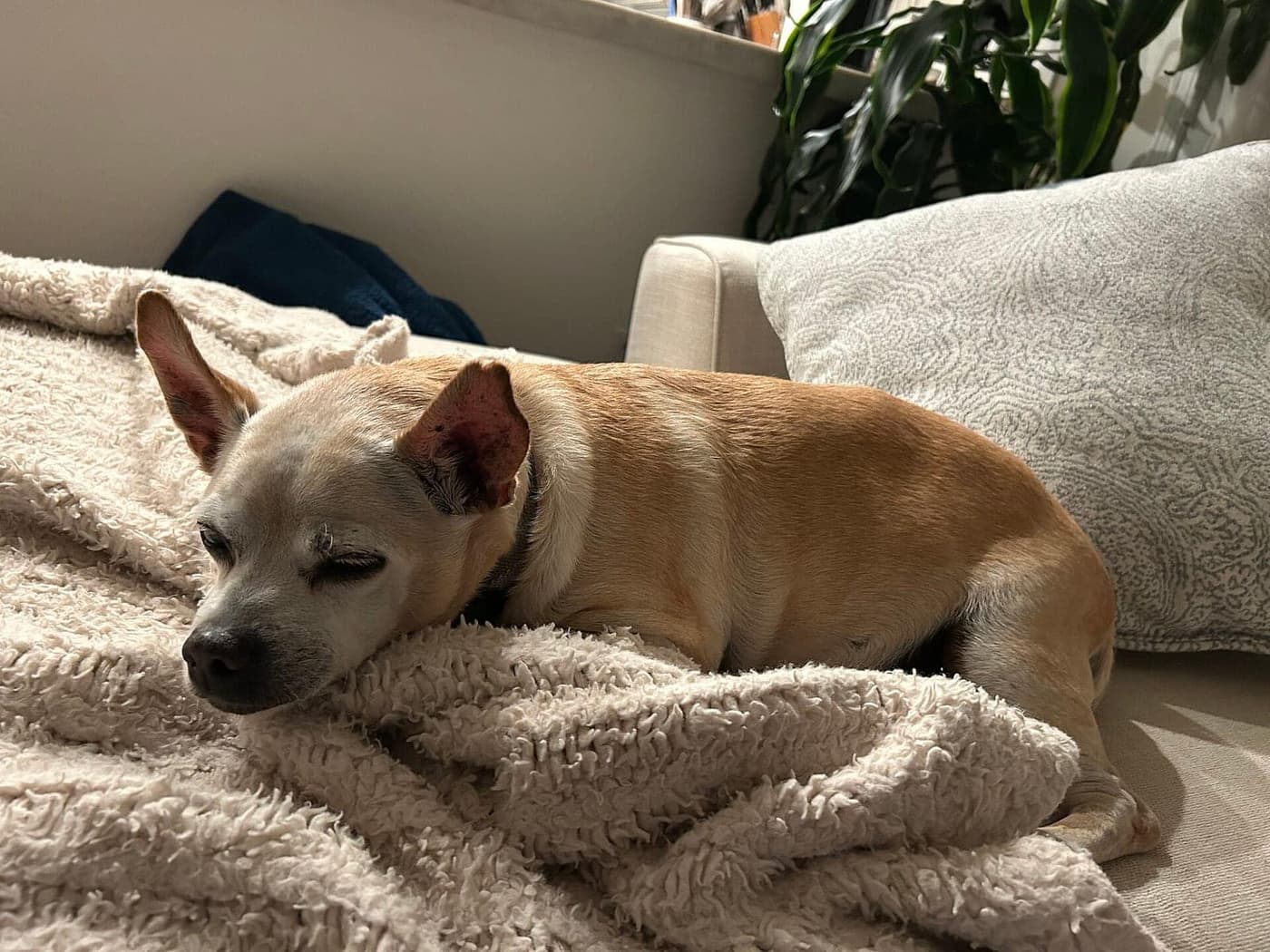
The same logic applies to dogs who are settled but reactive. Dog birthday parties for reactive dogs has the full playbook, and Gotcha Day is easier than a birthday party because there was never a guest list to begin with. Older dogs get the same courtesy: senior dog birthdays covers shorter walks and softer chews.
Do Dogs Know It’s Their Gotcha Day?
No. And it doesn’t matter as much as you’d think.
Dogs don’t track calendars, don’t have a concept of an anniversary, and can’t connect today’s chicken to a thing that happened four years ago. What a dog reads accurately is the difference between a normal Tuesday and a day where the walk ran long, the food was better, and every human in the house was paying attention. That difference registers hard.
So the honest framing is a split:
| What the dog gets out of it | What you get out of it |
|---|---|
| A longer, slower, nose-led walk | The photo next to last year’s photo |
| A high value chew that lasts | Telling the adoption story again |
| Undivided attention for an hour | Marking that the hard first months are over |
| Somewhere new to smell | A date on the calendar that means something |
Both columns are real. Neither is a lie you’re telling yourself. Just don’t buy a party hat because you think the dog wants a party hat.
How Much Does a Gotcha Day Cost?
Less than a birthday party, because there are no guests to feed. Three tiers, running costs at typical 2026 retail:
| Version | What’s in it | Cost |
|---|---|---|
| Free | Long-line sniffari, a training session, the annual photo | $0 |
| Standard | Bully stick or filled chew, a new toy, a portion of cooked chicken | $12 to $25 |
| Full | The above plus a bakery smash cake, a bandana, and a new snuffle mat | $35 to $60 |
The free version is not a consolation prize. Of everything on that list, the long-line walk is the item with actual published research behind it.
For a multi-dog household, one thing changes: each dog gets their own date. Multi-dog household birthdays covers how to keep the second dog’s day from quietly merging into the first dog’s. Cat people, cat Gotcha Day is the same holiday run on feline terms.
Gotcha Day Gifts Worth Buying
Short list, weighted toward things the dog uses more than once. Prices move; check current pricing before ordering.
- AWOOF Snuffle Mat for Dogs, a fleece mat you hide kibble in. This is the sniffari in indoor form, and it’s the single best Gotcha Day gift for an apartment dog or a bad-weather adoption anniversary.
- Downtown Pet Supply Bully Sticks, 6 inch, odor-free beef chews. Buy one for the day, freeze the rest. Supervise, and take it away once it’s short enough to swallow.
- KONG Classic, large, stuffed with wet food and frozen the night before. Forty minutes of work, refillable forever, the best value on this list.
- Amazon Basics Freeze-Dried Single Ingredient Chicken Breast, one ingredient, breaks into small pieces for the training session.
- Bocce’s Bakery Birthday Cake Flavor Biscuits, 5 oz, wheat-free, and the closest thing to a cake that fits inside the 10% rule.
- Realeaf Dog Birthday Bandanas, 2 pack, for the annual photo, if your dog tolerates one. Most do; hats are the ones they hate.
More on the full supply run in dog party supplies, and if you’d rather do a proper party this year than a quiet anniversary, dog birthday party ideas has the formats.
Year one, you’ll take a lot of photos. Year five, you’ll take one, in the same spot, and it’ll do more work than all of them.
Sources
- ASPCA, Pet Statistics, Shelter Animals Count national data for 2025, aspca.org/helping-people-pets/shelter-intake-and-surrender/pet-statistics
- ASPCApro, Pet Adjustment Periods: The 3 Days, 3 Weeks, 3 Months Guide, aspcapro.org
- Pat Miller, CBCC-KA, CPDT-KA, “Disregard the 3-3-3 Rule,” Whole Dog Journal, December 8, 2022, whole-dog-journal.com
- Duranton C, Horowitz A. “Let me sniff! Nosework induces positive judgment bias in pet dogs.” Applied Animal Behaviour Science, 2019, vol. 211, pp. 61-66, sciencedirect.com
- ASPCA Animal Poison Control Center, People Foods to Avoid Feeding Your Pets, aspca.org
- VCA Animal Hospitals, Dog Treats, vcahospitals.com/know-your-pet/dog-treats
- You
- Your pets
- Confirm