
Senior Dog Birthday Party: He's 12. This One's for Him.
How to throw a senior dog birthday party that celebrates an older dog without treating it like a farewell. Physical accommodations, food, gift ideas, and the emotional reality.
As an Amazon Associate we earn from qualifying purchases.
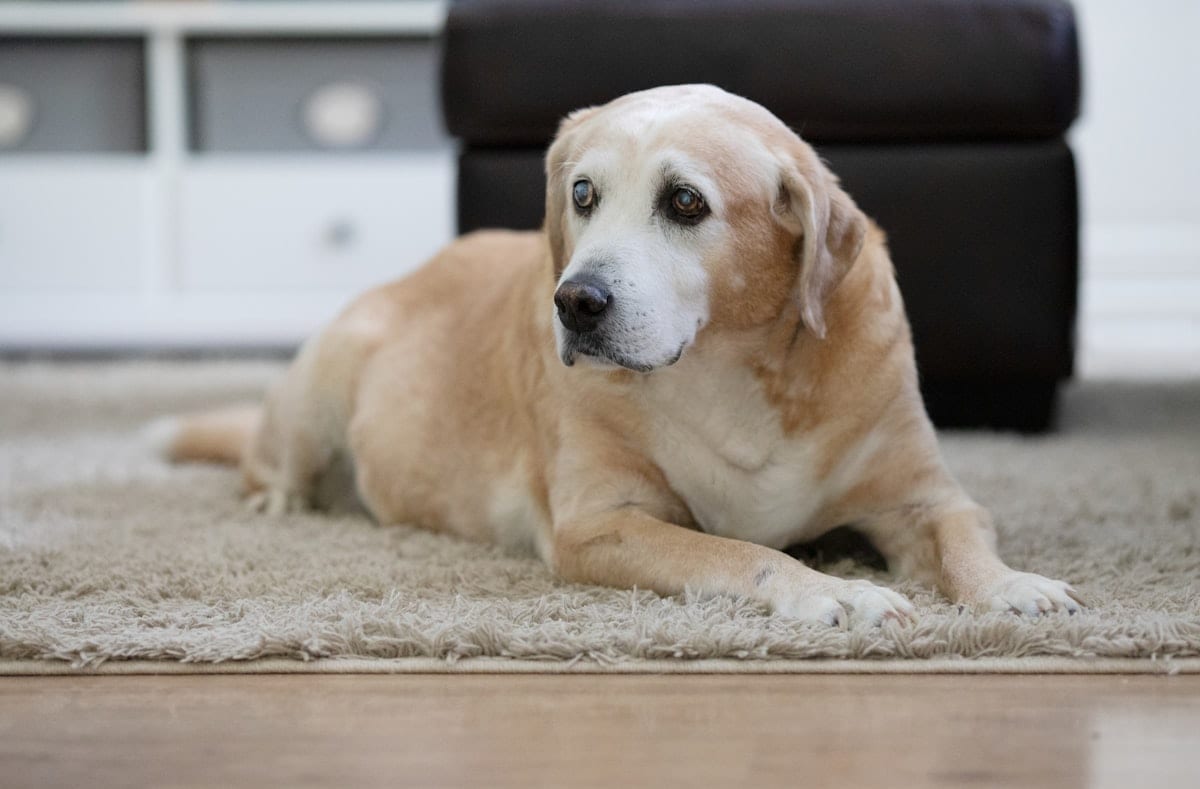
Senior dogs deserve the biggest parties, not the smallest ones. A 12-year-old dog has earned every treat, every photo, and every ounce of celebration you can give them. This guide covers how to throw a party that accounts for an older dog’s physical needs without making it feel like a consolation prize.
The framing matters. A senior dog birthday party done right isn’t a subdued, gentle, keep-it-quiet affair. It’s the same energy as any great birthday party, adapted for someone who’d rather sit comfortably in a good spot than sprint around the yard. The adjustments are practical, not emotional. The emotion is full volume.
What “Senior” Actually Means for Your Dog
The age when a dog becomes senior depends almost entirely on size. Large and giant breeds age faster than small ones. The American Veterinary Medical Association (AVMA) considers small dogs (under 20 pounds) senior starting around age 7. Medium dogs (20-50 pounds) hit senior status closer to 7-8. Large breeds (50-90 pounds) are considered senior at 6-7. Giant breeds like Great Danes and Saint Bernards, which have lifespans of only 8-10 years, can be considered senior at 5.
A 12-year-old Great Dane is, by any measure, extremely old. A 12-year-old Chihuahua is old but has a reasonable shot at several more years. The species is the same but the math is different.
This distinction matters for the party because a 12-year-old large breed dog may have significant arthritis, reduced stamina, hearing or vision changes, and dietary considerations. A 12-year-old small dog might have most of those things to a lesser degree, or might still be moving around like a middle-aged dog. Read your specific animal, not just the age.
The Physical Reality (and Why It Doesn’t Reduce the Party)
Here’s what a senior dog typically deals with, and what you do about it at a birthday party:
Joint stiffness and arthritis. This is the big one. Most dogs over 10 have some degree of joint inflammation, even if they haven’t been formally diagnosed. Hard floors are miserable for arthritic dogs. At the party, put down non-slip rugs or yoga mats in the main dog areas. Provide one central soft resting spot, something with a low entry height so the dog doesn’t have to step up or climb. An orthopedic dog bed on the floor directly is ideal. Don’t make the dog jump up onto furniture or climb stairs to get to the party area.
Shorter stamina windows. A young dog can tear around a yard for an hour and be fine. Most senior dogs want 10-15 minutes of active engagement and then prefer to rest and supervise. Plan the active parts of the party (the cake moment, the photo session, the greeting ritual) within the first 30 minutes while the dog is fresh. Let the rest of the party be low-key with the dog resting nearby.
Temperature sensitivity. Older dogs regulate body temperature less efficiently. Outdoors in summer, make sure there’s a shaded resting spot. Outdoors in cool weather, have a blanket or coat available. The dog will tell you if they’re uncomfortable but watch for excessive panting in heat or shivering in cold.
Hearing and vision changes. Some senior dogs lose hearing acuity or develop cataracts. If yours is one of them, avoid startling them with sudden loud noises (yes, this means warning guests before they walk up from behind). Approach from the front when possible. A dog that can’t hear you coming may startle and snap defensively, not aggressively.
Dietary considerations. Senior dog food formulations exist for a reason. They’re typically lower in calories (older dogs need about 20% fewer than adult dogs), higher in easily digestible protein, and often include omega-3 fatty acids to support joint health. At the party, the cake and treats are one-time event foods. A few extra treats on the birthday isn’t going to cause a health crisis. But if your dog has a specific diagnosed condition (kidney disease, pancreatitis, diabetes), check with your vet before giving rich party food and adjust accordingly.
The Emotional Reality (Handled Directly)
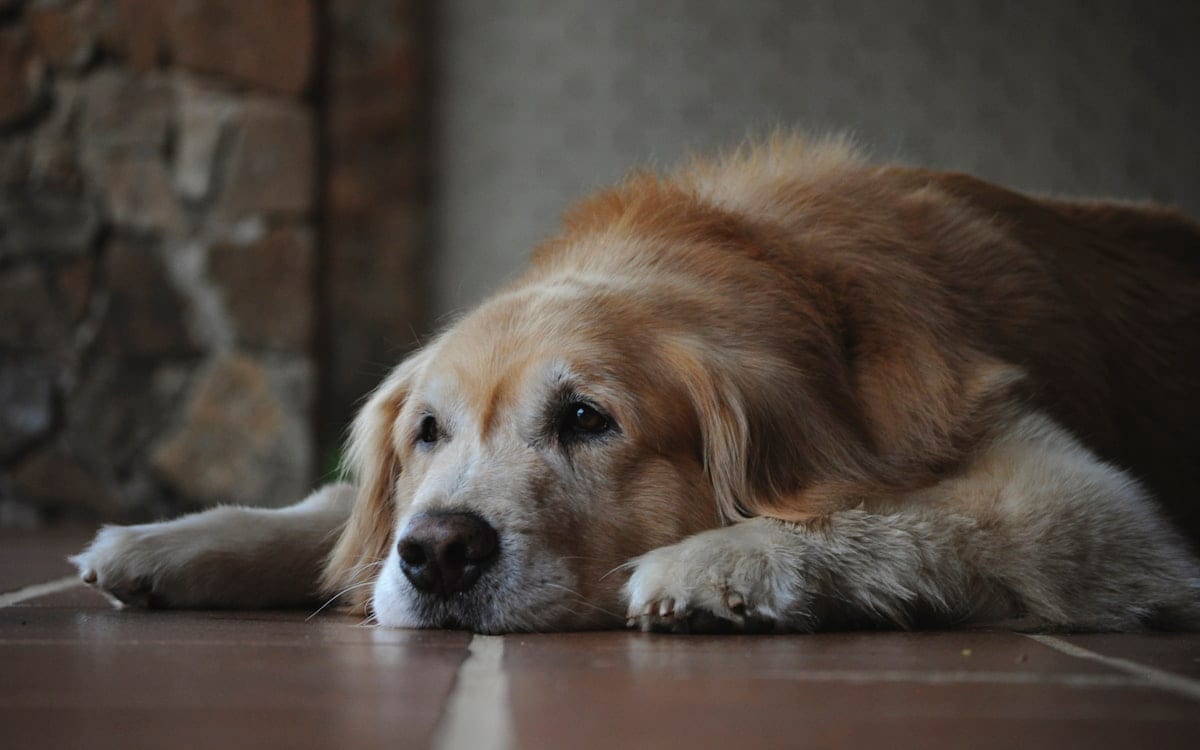
If your dog is 12, or 13, or 14, you’ve probably had the thought. Maybe you’ve had it more than once. You don’t know if this is the last one.
That thought is real and you don’t have to pretend it isn’t. But the correct response to it is more party, not less.
A senior dog birthday party, when you know the math, isn’t a sad occasion. It’s evidence that you’re paying attention, that you’re showing up, that this animal’s life is being marked with intention. The people who bring their 7-year-old terrier mix to a friend’s dog birthday and get misty-eyed don’t need to explain themselves. Neither do you.
The party doesn’t have to be about the milestone being bittersweet. It can just be a great party. Make it great.
Party Ideas That Work for Less-Active Dogs
The goal is celebration that meets your dog where they are, not an event that exhausts them and misses the point. A dog that watches from a bed instead of running the yard isn’t sitting out the party. Calm and unhappy are not the same thing. If your dog is relaxed, present, and accepting attention, they’re having a good time, even when it looks like a nap.
Keep the guest list tight too. Two or three calm, known dogs is plenty, the birthday dog’s inner circle, not a full reunion. A pack of unfamiliar or high-energy dogs is exhausting for an older animal with less patience for chaos than it used to have.
The “royal court” setup. Position the dog’s bed or blanket in a central location and let the party come to them. Guests come over to pet and greet. The dog gets all the attention with none of the effort. This is genuinely better than a younger dog’s party where the dog might spend the whole time being too wound up to actually be present.
The memory table. A small table or shelf with the dog’s best photos through the years. Polaroids, framed prints, printed-at-home 4x6s, whatever you have. Guests love this. It tells the story and gives people something to talk about. You’ll find yourself explaining the photo from the beach in 2018 seven times and you won’t mind once.
A slow-walk birthday parade. If your dog still walks but at a gentler pace, a short slow loop around the block or the backyard with everyone walking together is a real celebration. Decorate the dog’s leash with a birthday bandana. Bring treats for the walk. Keep it under 15 minutes.
The smell-based enrichment cake. Senior dogs often retain strong noses even as other senses fade. A snuffle mat loaded with small treats, with a candle placed in the center (not lit near the dog) for the photo, is a genuinely engaging activity. Your dog will spend 10 minutes working through it happily while everyone watches.
The long afternoon nap party. This sounds like a joke. It isn’t. Put on a movie, get some food, invite two or three of the dog’s favorite humans, let the dog sleep in the middle of everyone. That’s what the dog wants. That’s a good party.
Softer Food Options for Senior Dogs
Some older dogs have dental issues that make hard treats uncomfortable. For birthday treats, soft options include:
- Plain boiled or baked chicken breast, shredded
- Small pieces of ripe banana (most senior dogs love banana)
- Cooked sweet potato mash (no butter or seasoning)
- Soft commercial treats designed for senior dogs (Zuke’s Mini Naturals, Wellness Soft WellBites)
- The peanut butter banana cake from the peanut butter cake recipe is already soft enough for most senior dogs
If your dog has lost most or all of their teeth, these soft options are the right call over any crunchy biscuit.
Gift Ideas for a Senior Dog
Senior dogs don’t need more toys. Most senior dogs have a very specific set of objects they already love and have no interest in anything new. But a few things genuinely improve their daily life:
An orthopedic dog bed with memory foam. The single best thing you can give an arthritic senior dog. Big Barker makes beds designed specifically for joint support and has been studied by veterinary researchers. A 7-inch foam bed with a bolster edge costs $100-200 and will be used every single day. It’s the gift that keeps working.
A heated blanket or pet-specific heating pad. Joint warmth reduces stiffness. A self-heating blanket (no electricity required, just reflects body heat) is a safe option. K&H Pet Products makes reliable ones. Around $30-40.
Non-slip socks or booties. If your senior dog is sliding on hardwood floors, non-slip socks solve the problem immediately. Pawz rubber boots are another option for dogs with paw weakness. Under $20.
A pet ramp. If the dog used to jump onto the bed or couch and now can’t, a ramp makes that possible again. Solvit Deluxe Telescoping Ramp or similar. Cost is $60-100. This is the gift that most directly restores something the dog has lost.
A vet appointment. This is genuinely a birthday gift. A geriatric wellness exam catches early problems and gives you a current picture of your dog’s health. Senior dogs do better on twice-yearly checkups than the standard once-a-year schedule. If it’s been more than six months since the last visit, the birthday is the natural moment to book one.
The Photo Imperative
Take more photos than you think you need. This one is not subtle advice. Take photos at every milestone, every party, every unremarkable Tuesday that turns out to be the last unremarkable Tuesday.
The peanut butter cake with the nose buried in it. The tired eyes looking up from the orthopedic bed. The birthday bandana askew. The guests gathered around.
You’ll want them. Take them.
Party Supplies Worth Having
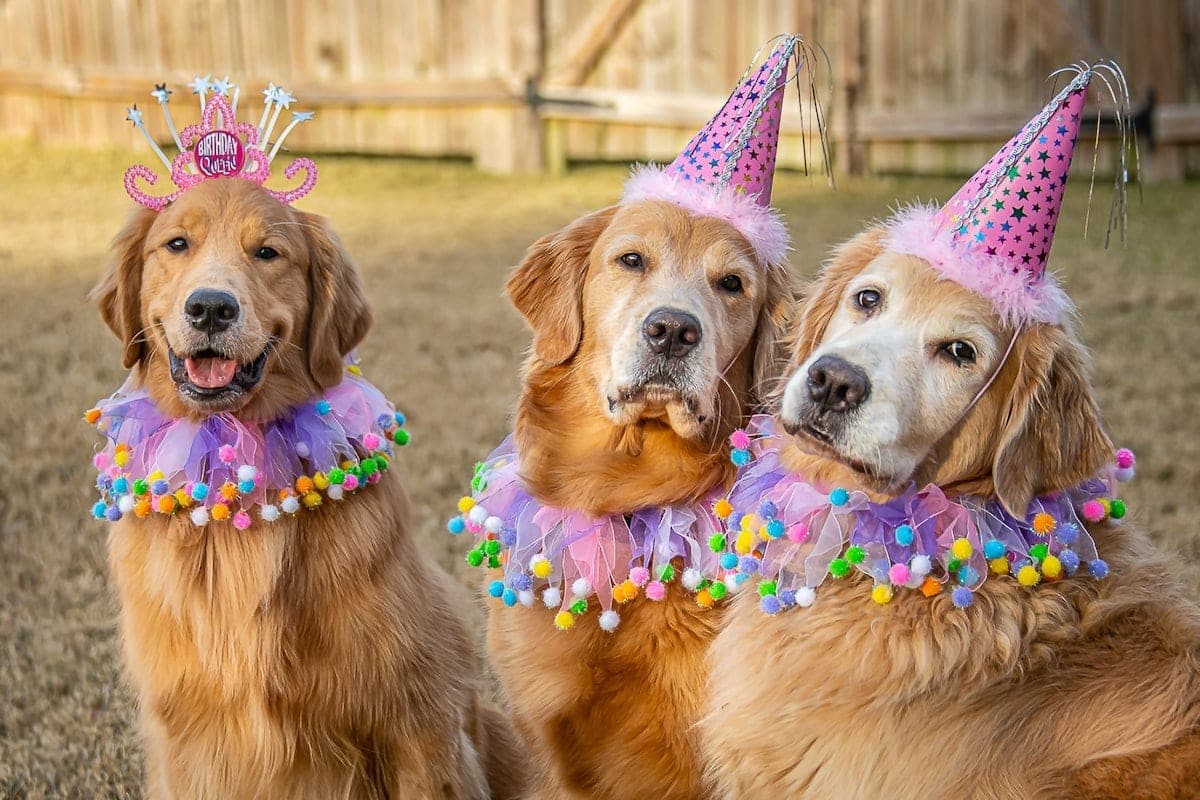
These are the products that actually work for a dog birthday party. All ship Prime:
- COMSUN Dog Birthday Party Supplies Set, bandana, hat, banner, numbers, and cake topper in one box. Solid value.
- Puppy Cake Complete Birthday Cake Kit, peanut butter flavor with silicone pan and candle. Makes a full double-layer cake or bone shapes.
- Zohokie Dog Birthday Party Decorations, full pink set with hat, bandana, banner, tutu, and balloons. The blue version is here.
- Bocce’s Bakery Birthday Cake Treats, wheat-free, peanut butter vanilla biscuits. Works as the treat bag filler or direct smash cake alternative.
- Zuke’s Mini Naturals Training Treats, small enough for party games, soft enough for older dogs.
Sources
- AVMA, “Caring for Senior Pets”: https://www.avma.org/resources-tools/pet-owners/petcare/senior-pets
- VCA Animal Hospitals, “Arthritis and Nutrition for Dogs”: https://vcahospitals.com/know-your-pet/arthritis-and-nutrition-for-dogs
- AKC, “How to Calculate Dog Years to Human Years”: https://www.akc.org/expert-advice/health/how-to-calculate-dog-years-to-human-years/
- Canine Arthritis Resources and Education, “What Should I Feed My Dog”: https://caninearthritis.org/article/what-should-i-feed-my-dog/
- You
- Your pets
- Confirm