
What Dogs Can Actually Eat at a Birthday Party (And What Will Send You to the Emergency Vet)
The complete safe and dangerous food list for dogs at a party, with specific toxicity details, quantities, and what to do if your dog eats something they shouldn't.
As an Amazon Associate we earn from qualifying purchases.
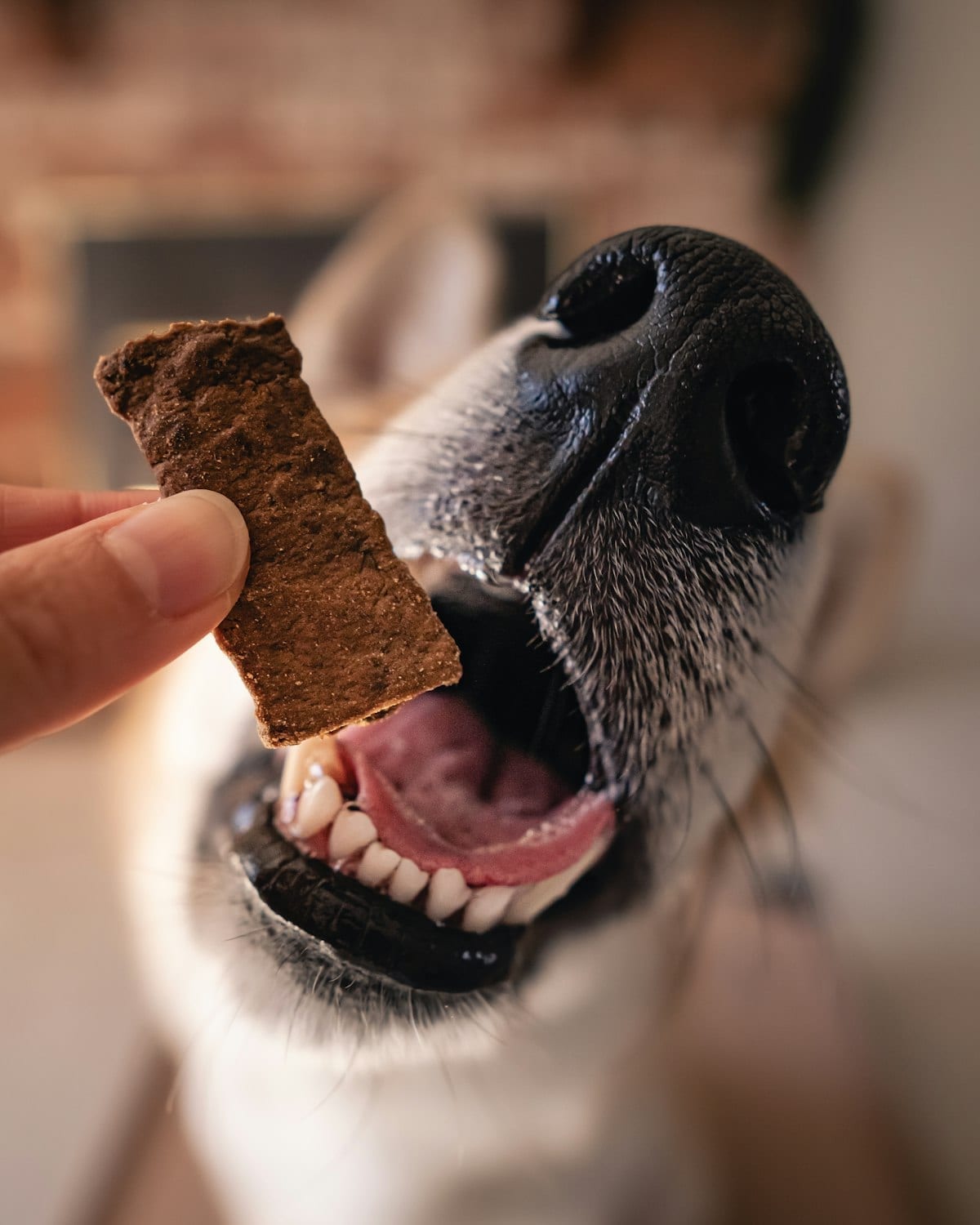
Dogs can safely eat most plain fruits and vegetables, unseasoned meats, and specific grains at a party. They cannot eat grapes, raisins, xylitol (in many peanut butters and sugar-free products), chocolate, onions, macadamia nuts, or alcohol. This is the complete list before you put together a party menu.
If your dog has already eaten something concerning, call the ASPCA Animal Poison Control Center at (888) 426-4435 or your emergency vet immediately. Don’t wait for symptoms. Some of the most dangerous foods (xylitol, grapes) cause symptoms that appear only after damage has already started.
The Safe List: What Dogs Can Eat at a Party
These are foods confirmed safe by the ASPCA and VCA Hospitals for dogs in normal quantities. “Normal” means appropriate for the dog’s size: a piece the size of your thumbnail for a small dog, a couple pieces for a large dog. Not a whole plate. Not unlimited access. A treat-level amount.
Fruits:
- Apples (sliced, seeds and core removed; apple seeds contain small amounts of cyanogenic compounds)
- Bananas (excellent base for dog cakes; high in potassium and natural sugars)
- Blueberries (antioxidant-rich, great as cake decoration or standalone treat)
- Watermelon (seedless, rind removed)
- Strawberries (in moderation; natural sugar content is notable)
- Cantaloupe (no rind)
- Mangoes (pit removed; mango pits are a choking hazard)
- Pears (seeds removed)
- Peaches (pit removed; stone fruit pits contain cyanogenic compounds)
Vegetables:
- Carrots (raw or cooked, excellent low-calorie treat)
- Green beans (plain, no seasoning)
- Sweet potato (cooked, no seasoning)
- Broccoli (small amounts; large quantities can cause gastrointestinal irritation)
- Cucumber
- Zucchini
- Celery (cut into pieces to prevent choking)
Proteins:
- Plain cooked chicken (no bones, no seasoning; bones become brittle when cooked and can splinter)
- Plain cooked lean beef
- Plain cooked turkey (no skin, no seasoning)
- Plain cooked salmon (no bones, no seasoning)
- Plain cooked eggs
Grains and dairy:
- Plain cooked rice or pasta
- Whole wheat flour (in baked dog treats)
- Plain Greek yogurt (unsweetened, in moderation)
- Cream cheese (plain, small amounts)
- Plain cooked oats
On cake frosting. Plain cream cheese or plain Greek yogurt, the way the Party Pelican cake recipes do it, is fine. Skip anything store-bought: powdered sugar, some food dyes, canned whipped cream, and packaged frosting can carry xylitol or way more sugar than a dog needs. Stick to the dog-specific recipe if frosting is part of the plan.
The standard party snack rundown: If you’re serving a human food spread at your dog’s party and want to know what scraps are safe to share, the answer is: plain cooked meats, most raw vegetables, apple slices, and blueberries. If it has seasoning, sauce, onion, or garlic in any form, it’s off the table for dogs.
The Dangerous List: Foods That Can Seriously Hurt Your Dog
This is the list you need to know before the party, not during it.
Grapes and Raisins
This one is severe. Grapes and raisins can cause acute kidney failure in dogs, and the mechanism isn’t fully understood, which means there is no established “safe” dose. Some dogs have eaten a single grape and gone into kidney failure. Others have eaten more without visible symptoms. Don’t test this. Zero grapes, zero raisins, any form, any quantity, period. This includes grape juice, fruit salad with grapes, and trail mix with raisins.
Signs of grape/raisin poisoning: vomiting and diarrhea (within hours), lethargy, loss of appetite, abdominal pain, decreased or absent urination. The kidney failure phase typically presents within 24-72 hours. Treatment requires immediate veterinary intervention.
Call even if your dog seems completely fine right after eating one. Some dogs show no symptoms at all until the kidneys are already failing, so “seems fine” isn’t a reliable read on grape exposure. Treatment started early, inducing vomiting, IV fluids, works far better than treatment started after symptoms show up.
Xylitol
Xylitol is an artificial sweetener found in sugar-free products including peanut butter (some brands), sugar-free gum, sugar-free candy, diet yogurt, some vitamins, some baked goods, and certain nut butters. It’s extremely toxic to dogs. Even a small amount causes a rapid release of insulin, leading to hypoglycemia (blood sugar crash) within 10-60 minutes. Higher doses cause liver failure.
Symptoms of xylitol poisoning: weakness, staggering, vomiting, tremors, seizures. Onset can be as fast as 10 minutes after ingestion. This is a call-the-emergency-vet-right-now situation, not a wait-and-see situation.
At a party, xylitol risk comes from: any sugar-free peanut butter used in baking, sugar-free gum in someone’s pocket or purse (dogs find and eat this constantly), sugar-free candy, and any product labeled “no sugar added” or “sugar-free.” Keep purses and bags off the floor during dog parties.
Xylitol-free peanut butter brands verified safe as of 2026: Jif, Skippy (standard varieties), Crazy Richard’s, Adams Natural, Trader Joe’s, and Smuckers Natural & Organic.
Chocolate
Chocolate contains methylxanthines (specifically theobromine and caffeine), which dogs metabolize far more slowly than humans. Toxicity is dose-dependent and varies by chocolate type.
Rough toxicity thresholds (source: ASPCA Animal Poison Control):
- Baking chocolate and dark chocolate are the most dangerous: as little as 0.1 oz per pound of body weight can cause problems. For a 20-pound dog, that’s about 2 oz of dark chocolate.
- Milk chocolate requires larger quantities but is still dangerous: approximately 1 oz per pound of body weight to cause serious effects.
- White chocolate contains minimal theobromine but still contains fat and sugar, causing gastrointestinal issues.
Symptoms of chocolate toxicity: vomiting, diarrhea, restlessness, excessive urination, rapid breathing, muscle tremors, seizures. Can occur within 6-12 hours of ingestion. Call the ASPCA Poison Control or your vet immediately if your dog gets into chocolate.
At a party: keep the human dessert table where dogs can’t reach it. A 30-pound dog who steals a brownie off a low table is a potential emergency.
Onions, Garlic, Leeks, and Chives
All members of the allium family are toxic to dogs. They contain compounds that damage red blood cells, leading to hemolytic anemia. All forms are dangerous: raw, cooked, dehydrated, powdered. Garlic powder and onion powder in seasonings are especially concentrated and especially common in party food.
The danger at parties: nearly all human savory food (chips, dips, seasoned meats, pizza, pasta dishes) contains onion or garlic in some form. That grilled chicken thigh is marinated in something. Those chips have onion powder. Keep all seasoned human food out of dog reach, and don’t let guests give your dog “just a little bite” of their plate.
Symptoms of allium toxicity: often delayed 1-5 days after ingestion, including weakness, lethargy, decreased appetite, pale gums, reddish urine, vomiting. Severity depends on quantity.
Macadamia Nuts
Macadamia nuts are toxic to dogs through a mechanism that isn’t fully identified. The toxic dose is approximately 0.7 grams per pound of body weight, and signs appear within 12 hours of ingestion.
Symptoms: weakness in the back legs, vomiting, tremors, fever, lethargy. Usually resolves within 48 hours but requires veterinary monitoring.
At parties: macadamia nuts appear in mixed nut bowls, cookies (especially white chocolate macadamia, which is a double hit with the chocolate), and some trail mixes. Keep all nut bowls elevated and secure.
Alcohol
Even small amounts of alcohol cause toxicity in dogs. A dog who laps up a spilled beer isn’t “fine, it was just a little.” Ethanol is processed differently in dogs and far more rapidly causes vomiting, disorientation, dangerous drops in blood sugar, and respiratory depression.
At parties: keep drinks on tables, not on the floor. Alert guests. If your dog gets into alcohol, call your vet.
Cooked Bones
Not a toxin but a major physical hazard. Cooked bones (from chicken wings, ribs, chops) become brittle and can splinter. Splinters lodge in the throat and digestive tract or puncture the intestines. Raw bones from appropriate sources are generally considered safer by most vets; cooked bones are not. Keep all cooked bones in the trash, secured, out of reach.
Corn on the Cob
Another physical hazard, not a toxin, but common enough at a party to earn its own entry. The kernels are fine. The cob is the problem: it’s about the size to slide past the stomach and lodge in the intestines, and that’s a life-threatening obstruction, not an upset stomach. Keep corn on the cob off the party menu entirely, even for a dog big enough that you’d guess it could handle it.
Avocado
The flesh of avocado contains persin, which causes vomiting and diarrhea in dogs in larger quantities. The bigger hazard is the pit, which is a severe choking and intestinal obstruction risk. Keep guacamole, avocado toast, and any whole avocados away from dogs at party tables.
What to Do If Your Dog Eats Something Dangerous
Step 1: Identify what was eaten and how much. The more specific you can be, the better. “I think he ate half a cup of raisins about 20 minutes ago” is actionable information. “He got into something” is not.
Step 2: Call the ASPCA Animal Poison Control Center at (888) 426-4435. They operate 24/7 and can tell you whether the amount your dog ate requires emergency treatment or monitoring at home. There is a $75-100 consultation fee, but they are the most authoritative resource in the US for this exact situation. Have your dog’s weight ready.
Step 3: Call your emergency vet if the ASPCA or your dog’s symptoms indicate it. For xylitol or grape/raisin ingestion especially, don’t wait for symptoms. Call immediately.
Do not induce vomiting on your own unless specifically instructed to by a veterinarian or the ASPCA hotline. Some toxins cause more damage when vomited back up. Hydrogen peroxide-induced vomiting can cause hemorrhagic gastroenteritis in dogs. Only induce vomiting with explicit veterinary instruction.
Setting Up a Safe Party Food Station
The practical setup for a party with dogs: human food on tables or counters, all four legs on the ground and nothing hanging over the edge within dog reach. Dog treats and the dog birthday cake on a separate low surface, controlled by you.
Brief your human guests before the party: no giving dogs bites from their plates, no leaving food on the floor, no leaving purses or bags at ground level with gum inside. This sounds intense but it takes about 30 seconds to say and saves a lot of problems.
For the dog birthday cake specifically: Dog Birthday Cake Recipes
For party supplies including dog-safe treat options: Dog Party Supplies
Party Supplies
- Dog Birthday Party Supplies Set, full party kit with hat, bandana, banner, and balloons.
- Puppy Cake Complete Birthday Cake Kit, peanut butter birthday cake kit with pan and candle.
- Bocce’s Bakery Birthday Cake Treats, wheat-free birthday treat biscuits.
Sources
- ASPCA Animal Poison Control: People Foods to Avoid Feeding Your Pets
- ASPCA Animal Poison Control Center: (888) 426-4435
- VCA Hospitals: Dos and Don’ts for a Dog-Safe Game Day
- FDA: Potentially Dangerous Items for Your Pet
- You
- Your pets
- Confirm