
Pet Birthday Party Budget: What It Costs, by Species
What a pet birthday actually costs across species, using current US average retail food prices. The free version, where the money really goes for birds and reptiles, and the three things not worth buying at any budget.
As an Amazon Associate we earn from qualifying purchases.
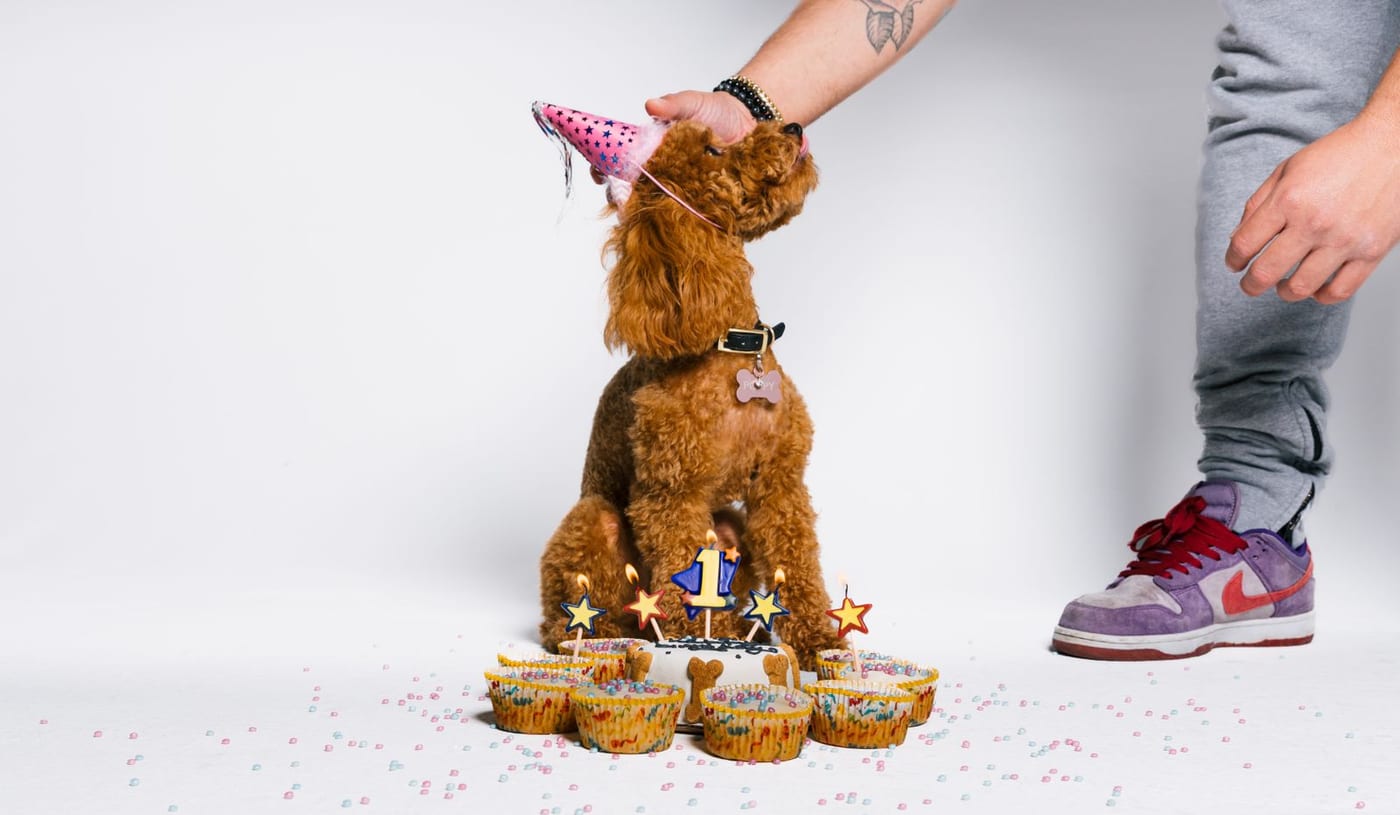
For most species the birthday food costs under two dollars, because it’s produce, and produce has a published price. A pound of bananas averaged $0.650 across US cities in July 2026. A dozen eggs, $2.189. Romaine, $3.469 a pound, and a rabbit is eating a leaf of it, not a pound.
The spending that follows is almost entirely optional, and it splits cleanly by species in a way nobody writes down. Here’s the split.
What the Birthday Food Actually Costs
The Bureau of Labor Statistics publishes average retail prices for individual grocery items across US cities every month. It’s the same dataset used to track food inflation, and it happens to cover most of what a pet birthday plate is made of.
These are the July 2026 figures, US city average, straight from the BLS average price series.
| Item | Unit | Avg. US price | Whose party |
|---|---|---|---|
| Flour, white, all purpose | per lb | $0.543 | Dog cake base |
| Bananas | per lb | $0.650 | Dogs, parrots, rats |
| Potatoes, white | per lb | $0.942 | Nobody raw. Cooked, for rats and chickens |
| Rice, white, long grain, uncooked | per lb | $1.100 | Rats, chickens, cooked and plain |
| Oranges, Navel | per lb | $1.540 | Parrots, sugar gliders (June 2026 figure) |
| Lettuce, iceberg | per lb | $1.753 | Skip it. Water with a crunch |
| Tomatoes, field grown | per lb | $2.003 | Bearded dragons, in small amounts |
| Chicken, fresh, whole | per lb | $2.005 | Ferrets, cats, hedgehogs |
| Eggs, grade A, large | per doz | $2.189 | Birds, ferrets, hedgehogs, chickens |
| Strawberries | 12 oz pint | $2.404 | Guinea pigs, parrots, rats |
| Lettuce, romaine | per lb | $3.469 | Rabbits, tortoises, guinea pigs |
| Chicken breast, boneless | per lb | $4.153 | Cats, ferrets |
| Cheddar cheese, natural | per lb | $5.741 | Rats, in crumbs. Not birds |
| Ground beef, 100% beef | per lb | $6.885 | The most expensive way to do this |
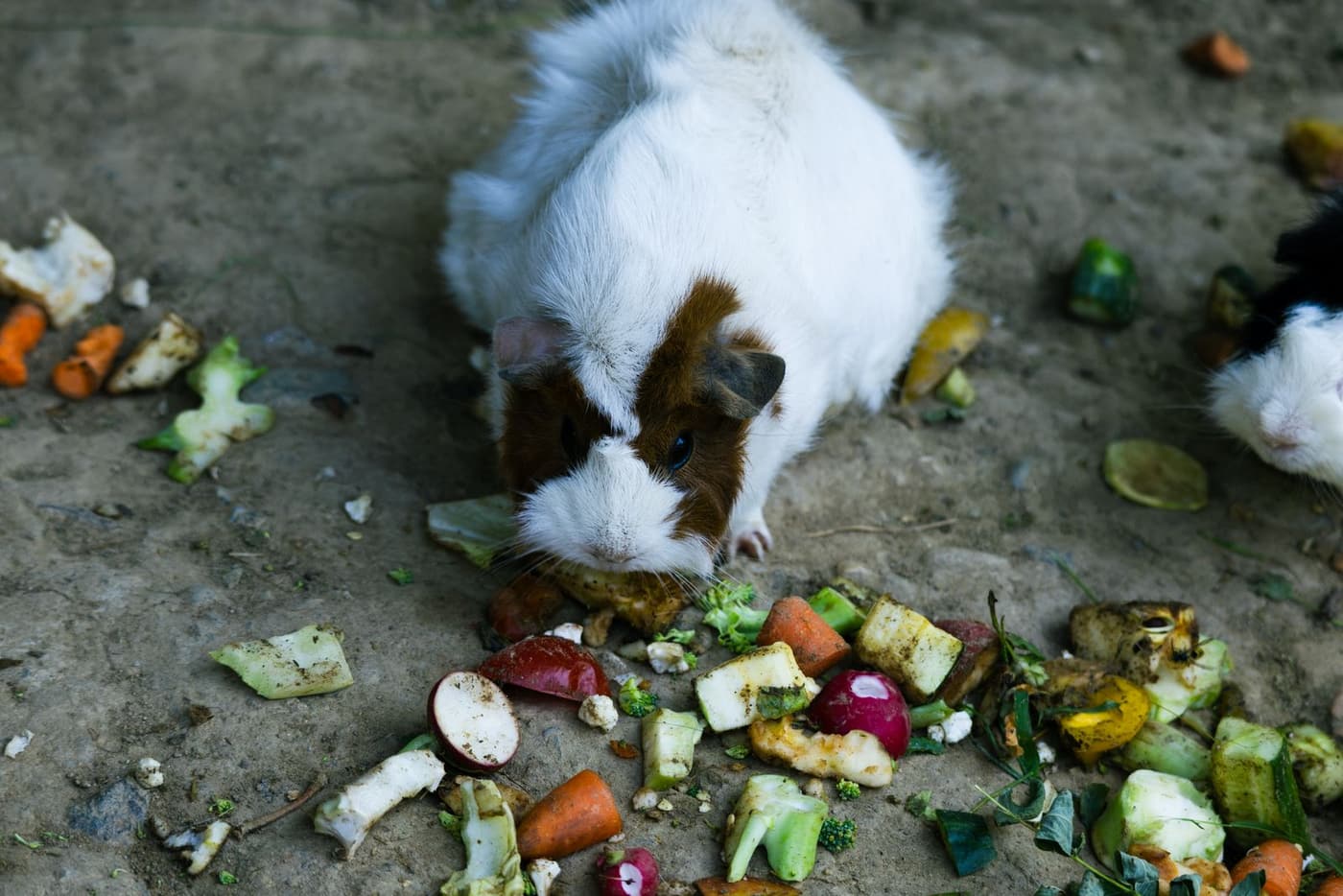
Read the right hand column before the price column. A guinea pig’s birthday portion of strawberries is one berry, which is roughly twelve cents of that pint. A rabbit’s romaine is a leaf, call it fifteen cents. A parrot’s chopped fresh plate is maybe forty cents of assorted produce, most of which was already in your fridge for you.
That’s the actual number for the actual meal, and it’s the reason the tiers below start at zero rather than at twenty dollars.
The Free Party, and Why It Isn’t a Compromise
Every species on this site has a version of the celebration that costs nothing, because for most of them the gift is a change rather than an object.
Reptiles. Rearrange the enclosure. Move the hides, change the angle of a branch, put the water dish somewhere new. MSD’s own list of acceptable retreats includes cardboard boxes and cork bark, so a clean box with a doorway cut in it is a legitimate hide rather than a cheap substitute for one. Cost: nothing.
Birds. Fold paper cups around a nut, thread coffee filters onto a skewer, hand over a plain cardboard tube. Shredding is the activity, and paper shreds.
Rabbits, guinea pigs, rats, chinchillas. A dig box. A shallow tub of shredded paper or hay with food buried in it will occupy a rat for half an hour and a rabbit will empty it across your floor, which is the correct outcome.
Cats. A paper bag with the handles cut off, and a cardboard box with two holes in it. This outperforms most purchased toys and every cat owner knows it.
Dogs. A treat hunt in the yard, and a walk somewhere the dog has never sniffed before. New smells are the cheapest enrichment in existence.
Fish. Rescape a corner of the tank. Move one rock, add one plant.
If the budget is genuinely zero, none of those animals will notice a gap. What they’d notice is being handed round a room of strangers, and that costs nothing either.
Where the Money Actually Goes, by Species
Once you’re past the food, spending sorts into two kinds: things you buy once and things you keep buying. Knowing which category your species lives in is the whole budgeting exercise.
Reptiles are a one time gear cost. Hides, a branch, a raised platform, a thermometer. Buy them once, keep them for the life of the animal, and every subsequent birthday is free because you’re rearranging what you already own. The one thing worth spending real money on is measurement, since every piece of furniture you add changes the temperature the animal experiences. Full breakdown in best reptile enrichment gear.
Birds are a recurring consumable cost, permanently. The point of a bird toy is that it gets destroyed. A macaw treats an assembled toy as an afternoon’s work, so the economics only make sense if you buy raw material and build. A 30 foot roll of palm shredder is the cheapest cost per hour in the bird aisle for exactly that reason, and a spray of millet is the cheapest treat that reliably works. Everything else in parrot birthday party supplies is optional on top.
Small mammals are cheap, forever. Hay, cardboard, untreated wood chews, a handful of the vegetables you already buy. The expensive thing in a rabbit’s life is the vet, not the party.
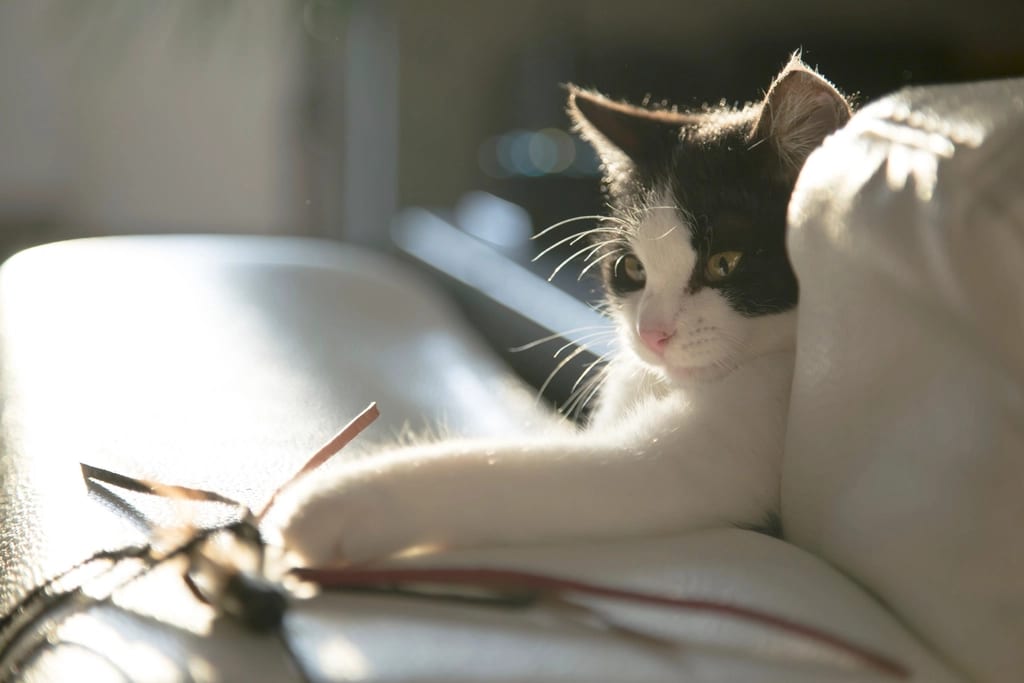
Cats are a two dollar problem. The toys that actually hold attention are wire, string on a stick, and cardboard. The expensive cat toys are the ones under the sofa.
Dogs are where budget tiers genuinely apply, because dogs are the only species here that gets something from decorations, guests, hats and favours. That’s a separate article and it has real itemised tiers: dog birthday party on a budget covers under $20, $20 to $50, and no ceiling, including cakes, hats, bandanas, favour bags and what a professional pet photographer costs.
The Three Spending Traps
The bundle kit. Party sets that pack a hat, a bandana, a banner, numbers and a topper into one box look like value and usually contain two things you’ll use. If the hat is the part you want, buy hats.
Buying a species the wrong category of gift. A plush toy for a reptile. A decorative mirror for a single kept bird, which can turn into pair bonding with a reflection. A costume for a cat. Money spent against the grain of the animal is money spent on a photograph you won’t like.
The escalating cart. The reliable way to overspend is to add items one at a time until the total gets away from you. Pick the number before you open the shop, then choose two things inside it.
What Isn’t Worth Buying at Any Budget
Candles, for any species. Open flame near fur and feathers, and for birds the smoke is its own hazard. VCA’s line on air quality is that if you can smell it, it may harm your bird’s respiratory tract, which covers scented candles as well as the flame. A reusable number topper photographs the same and works every year.
Balloons. A popped latex balloon is a swallowable piece of rubber and the ribbon is worse than the balloon.
Anything a guest animal has to share. One rope toy between two dogs who met at the door is a resource dispute with a handle on it.
Human party food as a prize. The ASPCA’s list covers the table: chocolate and coffee, grapes and raisins, onion, garlic and chives, macadamia nuts, xylitol, alcohol, yeast dough, and salty snacks. Their poison control number is 888-426-4435.
Three Households, Three Real Budgets
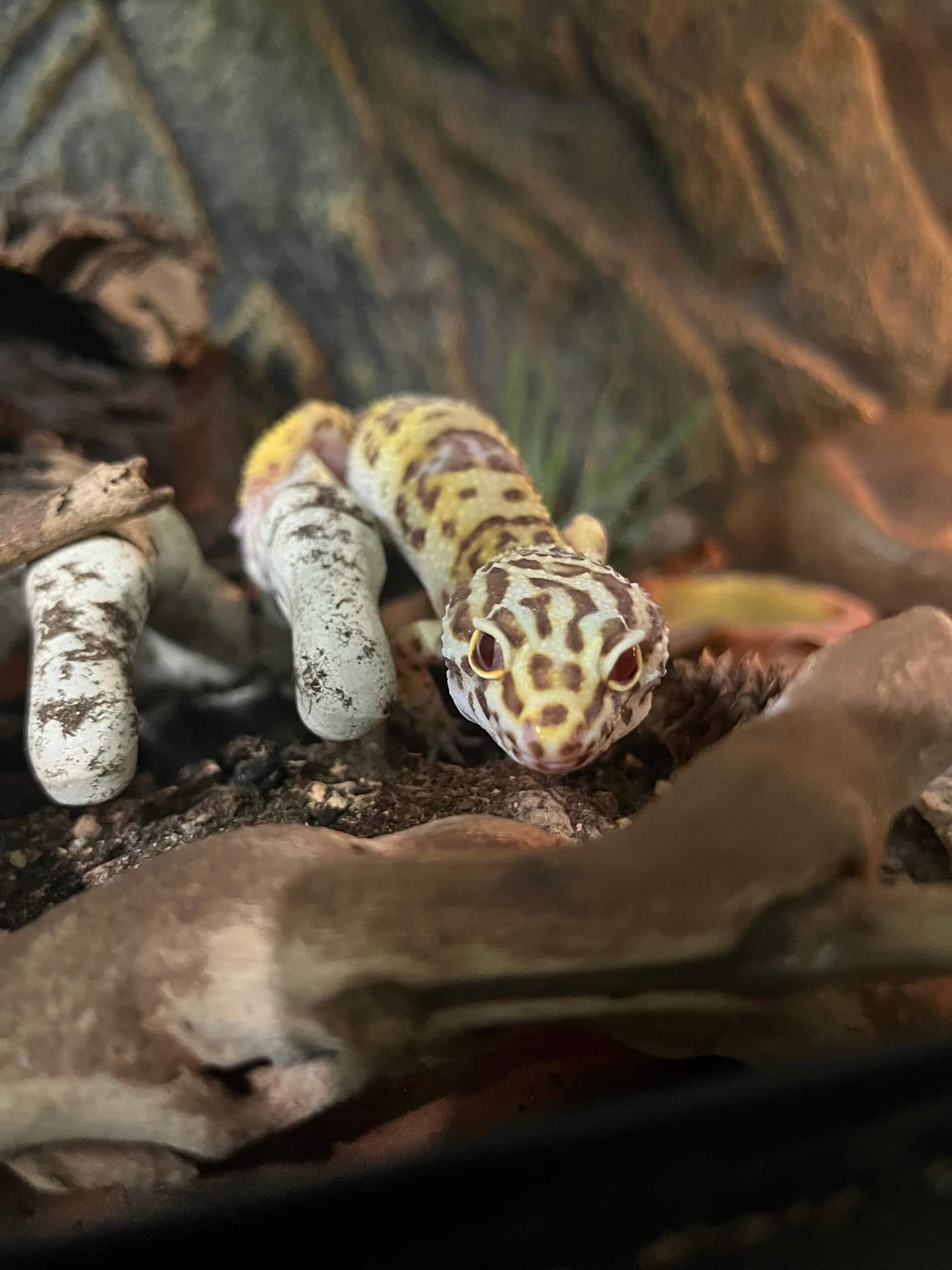
One leopard gecko, nothing bought before. A four pack of cork hides and a humid hide, once. Feeder insects for the week, ordered from a feeder supplier rather than a marketplace. Total after that first purchase: the cost of a slightly bigger insect order, every year, forever.
Two cockatiels and a rabbit. A palm shredder roll and a millet spray, split between the birds. Romaine, herbs and a strawberry for the rabbit, from the weekly shop. A cardboard box each. This is a party for three animals costing less than one greeting card.
One dog and four guest dogs. This is the only scenario in this guide where the number gets meaningfully large, because you’re feeding and entertaining humans as well. The tiered version, itemised, is in the dog birthday party budget guide.
The Number to Hold in Your Head
The food is under two dollars for almost every species on this site. The enrichment is free if you own a cardboard box. The gear is a one time cost for reptiles and a recurring one for parrots, and everything else on the receipt is a decision you’re making about how the day looks to you rather than to the animal.
Which is a perfectly good reason to spend money. Just spend it knowingly.
Plan the day itself with the pet birthday party checklist, pick activities from pet birthday party games, and if the guest of honour is scaled or eight legged, exotic pet birthday party ideas covers what the celebration looks like there.
As an Amazon Associate, Party Pelican earns from qualifying purchases.
Sources
- U.S. Bureau of Labor Statistics, Average Price Data, US city average, July 2026 (Navel oranges, June 2026), retrieved from the BLS public data API on 26 August 2026. Series used: APU0000701111, APU0000711211, APU0000712112, APU0000701312, APU0000711311, APU0000712211, APU0000712311, APU0000706111, APU0000708111, APU0000711415, APU0000FL2101, APU0000FF1101, APU0000710212, APU0000703112. Item definitions from the BLS AP item code list.
- ASPCA Animal Poison Control Center: People Foods to Avoid Feeding Your Pets
- MSD Veterinary Manual: Management and Husbandry of Reptiles
- VCA Animal Hospitals: Household Hazards and Dangers to Birds
Prices and veterinary guidance verified August 26, 2026.
- You
- Your pets
- Confirm