
Lorikeet Gotcha Day: Celebrating the Anniversary of Your Nectarivore
Lorikeet gotcha day ideas for keepers of rainbow lorikeets and related species: the liquid nectar anniversary feast, the seed-never rule reminder, fermentation timing for the special occasion, and what the lorikeet community marks annually.
As an Amazon Associate we earn from qualifying purchases.
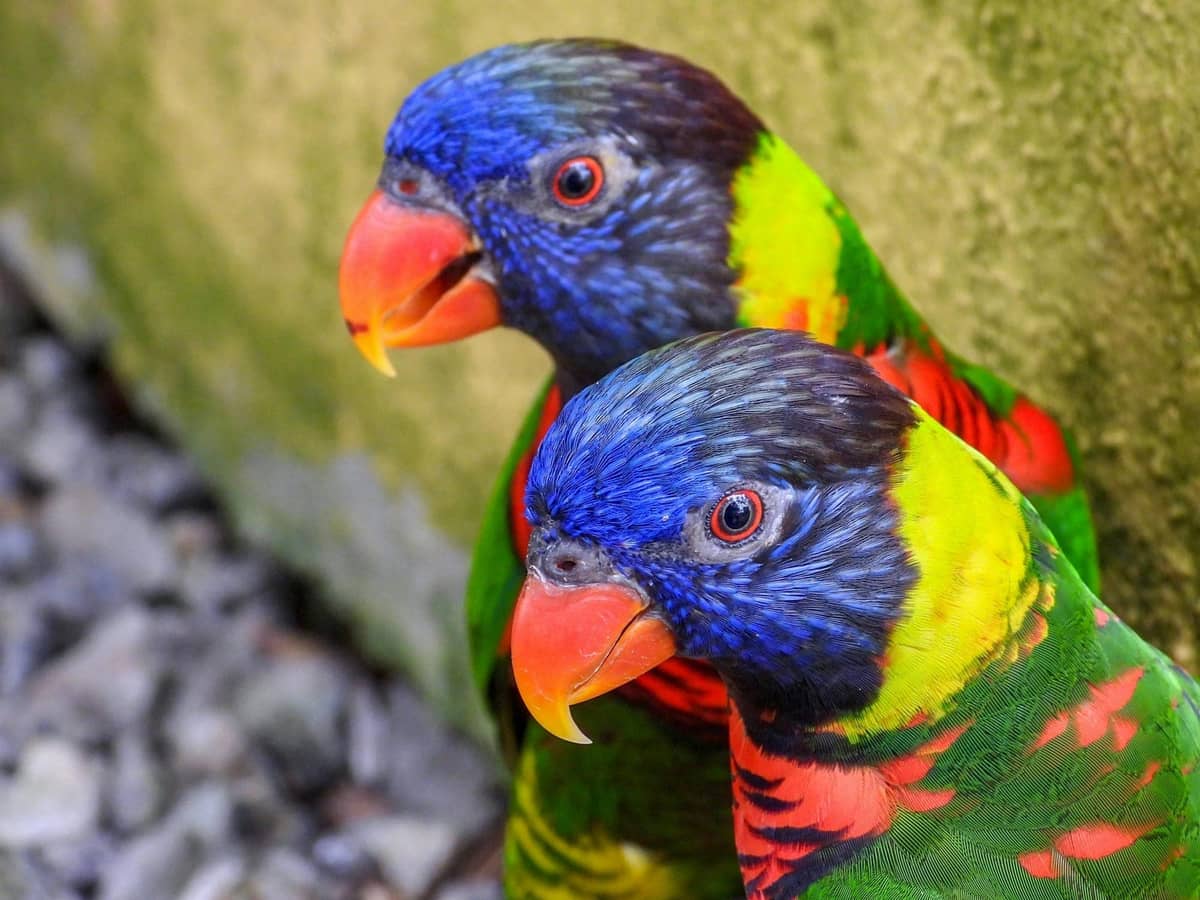
Lorikeet gotcha days have a specific quality shared by all species with unusual dietary requirements: the keeper who has successfully maintained this bird for one year has genuinely learned something that many lorikeet owners don’t figure out in time. Seeds don’t work. Nectar ferments. The diet window is narrow. A lorikeet at year 2 or 3 in good health is a bird whose keeper got the husbandry right from early on and maintained it. That’s worth acknowledging.
The Anniversary Feast: Lorikeet Edition
The gotcha day feast is liquid first, then fruit, then flowers if available.
Teflon warning first: non-stick cookware fumes kill birds. All food prepared in stainless steel, cast iron, or ceramic.
Premium commercial nectar. A freshly mixed batch of high-quality commercial lorikeet formula (Wombaroo, Nektar-Plus, or similar) is the anniversary feast base. For the gotcha day, use the best formula available rather than the standard daily preparation.
Fresh fruit: pomegranate seeds, papaya, mango, melon, berries. More variety and higher quality than the usual offering.
Edible flowers if available: grevillea blossoms, hibiscus, bottlebrush (Callistemon). These are wild-lorikeet-appropriate foods and a significant gotcha day upgrade if you can source them from a pesticide-free garden.
Fermentation timing: nectar begins fermenting quickly. Change the nectar dish within 4 to 6 hours. On the gotcha day, refresh the nectar dish in the morning and again in the evening. Don’t let a special nectar batch sit all day.
Absolutely no seeds. Seeds cause crop fermentation in lorikeets. This rule has no anniversary exception.
The Color and Condition Annual Check
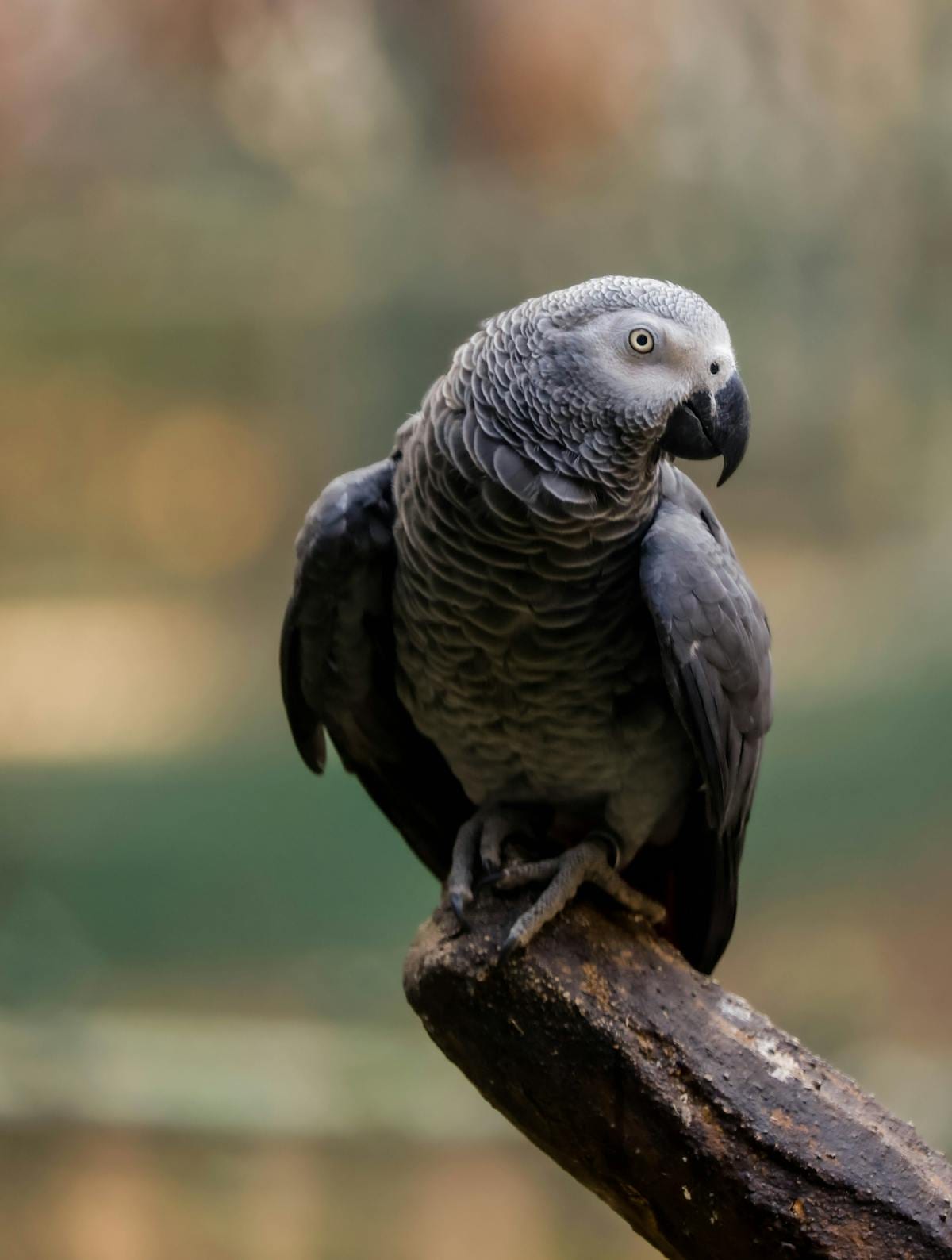
Lorikeets in good health have vivid, tight plumage. The gotcha day is the annual visual condition check:
- Are the colors as vivid as they should be for the species and age?
- Are there any stress bars visible on the feathers?
- Is the bird’s weight appropriate?
- Is the crop functioning properly? (Crop issues are a specific lorikeet health risk, particularly when fermented nectar has been ingested.)
Don’t mistake liquid droppings for a problem on their own. Lorikeet droppings run naturally more watery than other parrot species because of the nectar diet, that’s baseline. The flag is a dropping pattern that turns distinctly more watery than this bird’s normal baseline, which can point to fermented nectar or a health issue underneath it.
If anything looks off, consult an avian vet before the feast, not after.
What the Lorikeet Community Marks
The lorikeet community (dedicated Facebook groups, r/lorikeets, Australian bird keeper forums) marks gotcha days with:
A vivid photo in natural light. Lorikeet coloring, particularly for rainbow lorikeets, is genuinely difficult to capture accurately indoors. The gotcha day photo is ideally taken in natural outdoor light or very high-CRI indoor lighting. Taking the bird outside for it works too, in warm weather, under direct supervision, with a secure harness or a fully covered outdoor aviary, free flight in an unsecured yard isn’t worth the shot.
The diet note. Lorikeet keeper communities respond positively to posts that confirm appropriate diet. A gotcha day post that mentions fresh nectar, premium formula, and no seeds is one that the community identifies as coming from an informed keeper. This is partly because many lorikeets are relinquished due to diet-related health issues, so a post confirming proper husbandry is a sign of a keeper doing it right.
A personality observation. Lorikeets are individually expressive birds. The thing this specific lorikeet does that no other bird does is the gotcha day caption material.
Five years in is a genuine milestone for this species, past the point where most diet or husbandry mistakes would already have shown up, with the bird settled into what should be its prime. Keepers who reach that mark tend to post the year-one photo next to the current one. Side by side, a well-kept lorikeet shows it: fully saturated adult plumage against the slightly duller coloring of the young bird from year one.
Parrot Birthday Supplies
Parrot birthdays are about foraging enrichment and treat variety:
- Litewoo Bird Foraging Feeder (Stainless Steel), fruit, vegetable, and seed holder. Works for African greys, macaws, conures, and similar birds.
- CIEZZU Bird Foraging and Chewing Toy Set, multiple foraging elements for medium and large parrots.
- Bird Spinner & Foraging Basket Set, mental enrichment basket plus spinning rattle toy.
Sources
- VCA Hospitals: Lorikeets
- ASPCA Animal Poison Control: Animal Poison Control
For the food guide: What Can Lorikeets Eat at a Party?
For the full birthday party guide: Lorikeet Birthday Party Ideas
For the general gotcha day framework: Pet Birthday and Gotcha Day Overview
- You
- Your pets
- Confirm