
Lorikeet Birthday Party Ideas: Celebrating Your Rainbow Lorikeet
Lorikeet birthday ideas for keepers of rainbow lorikeets and related species: the nectar birthday feast that's completely unlike other parrot diets, why seeds are off the table, and what makes the lorikeet community so specific about food.
As an Amazon Associate we earn from qualifying purchases.
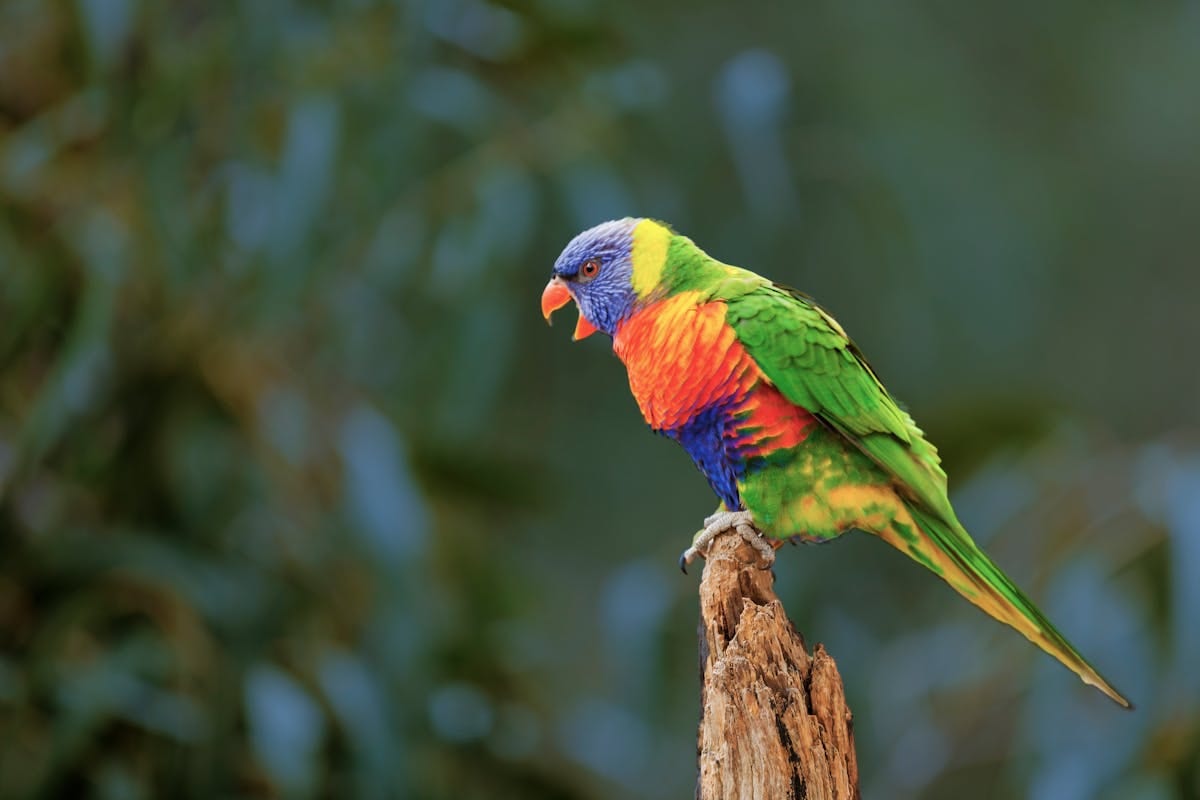
Lorikeets are nectarivores. Their tongue has a brush-like tip specifically adapted for collecting nectar and pollen from flowers. Their digestive system is not equipped to process seeds the way most parrots do. This single fact changes everything about the lorikeet birthday, because the birthday feast is not a chop or a seed treat or a pellet upgrade. It’s a fresh nectar preparation, a selection of fresh flowers, and soft fruit, served in a clean dish they can dip their brush tongue into. Rainbow lorikeets (Trichoglossus moluccanus) are the most commonly kept species in captivity outside Australia, and the keeper community is very specific about their diet for this exact reason.
Teflon Fumes Kill Birds
Non-stick cookware fumes from overheated polytetrafluoroethylene (PTFE) coatings are lethal to all parrots, including lorikeets. Per VCA Hospitals and the ASPCA, this is a primary preventable cause of bird death in captivity. Birthday food preparation is in stainless steel, ceramic, or glass dishes only.
The Diet That Makes Lorikeets Different
Standard parrot dietary advice does not apply to lorikeets. Per VCA Hospitals’ lorikeet care guide:
No seeds. Lorikeets cannot digest seeds properly. A seed diet leads to nutritional deficiency and digestive problems. This is not a preference issue, it’s a physiological fact.
No standard parrot pellets. Most parrot pellets are formulated for seed-eating parrots and are not appropriate for nectarivores.
Commercial liquid lorikeet diet. The foundation of the captive lorikeet diet is a commercial nectar formula specifically designed for nectarivores. Two formats exist: dry powder mixed with water, and wet ready-to-serve. Both are appropriate. The dry powder requires fresh mixing (no preparation more than several hours before serving).
Fresh food supplements. Soft fruits: mango, papaya, apple, pear, grapes, stone fruits (pits removed). Flowers: hibiscus, bottlebrush, banksia (if pesticide-free). Some lorikeet keepers grow flowering plants specifically for their birds. Fresh corn on the cob. Leafy greens in small amounts.
The birthday feast. A fresh serving of commercial lorikeet nectar in a clean dish, a selection of the bird’s favorite fresh fruits in a second dish, and a few fresh flowers as the birthday botanical element.
What never appears. Per ASPCA: avocado. Chocolate. Caffeine. Alcohol. Onion and garlic. Stone fruit pits. Xylitol. Salt. Seeds of any kind. Standard parrot food. Honey, too: it can carry botulism spores that are dangerous to birds, so stick with commercially prepared lorikeet nectar instead.
If your lorikeet came from a previous keeper on a seed diet, don’t expect an overnight switch. Offer nectar and seeds side by side and phase the seeds out gradually over a few weeks. An avian vet with lorikeet experience can help if the bird resists the transition.
Hygiene is Critical for Lorikeets
Nectar and soft fruit spoil quickly, especially in warm weather. The lorikeet birthday feast must be:
- Served in freshly cleaned dishes
- Removed within 2 to 4 hours (sooner in warm weather)
- Never left to sit overnight
This isn’t birthday-specific, it’s the daily care requirement. Bacterial contamination of nectar dishes is a significant health risk for lorikeets. The birthday celebration shouldn’t involve letting food sit longer than usual.
Birthday Enrichment
A fresh flowering branch. A pesticide-free branch with flowers (hibiscus, bottlebrush, or safe native flowering plants depending on your region) gives the lorikeet foraging behavior that’s natural to the species. They investigate flowers methodically, using their brush tongue to extract nectar.
A fruit skewer. Pieces of birthday fruit on a bird kabob skewer hung in the enclosure. Lorikeets pick at skewered fruit actively.
A new foraging toy. Small foraging toys with soft food components.
Supervised out-of-cage time. In a fully bird-safe space. Lorikeets are active fliers and benefit from extended free-flight time.
The Messy Reality
Lorikeets have liquid-based diets and their droppings reflect this: they’re liquid, frequent, and projectile. This is not a health problem, it’s lorikeet physiology. Birthday celebrations with a lorikeet in the room should account for this. The lorikeet community is accustomed to this and finds it a topic of affectionate community humor.
Food gets thrown around too, enthusiastically and often. That’s just normal foraging behavior for the species, not a problem to solve. Expect a mess around the food dishes and budget for regular cleanup, not just on the birthday but every day. Protect the floor and any nearby surfaces before the feast starts and you’ll save yourself the cleanup panic later.
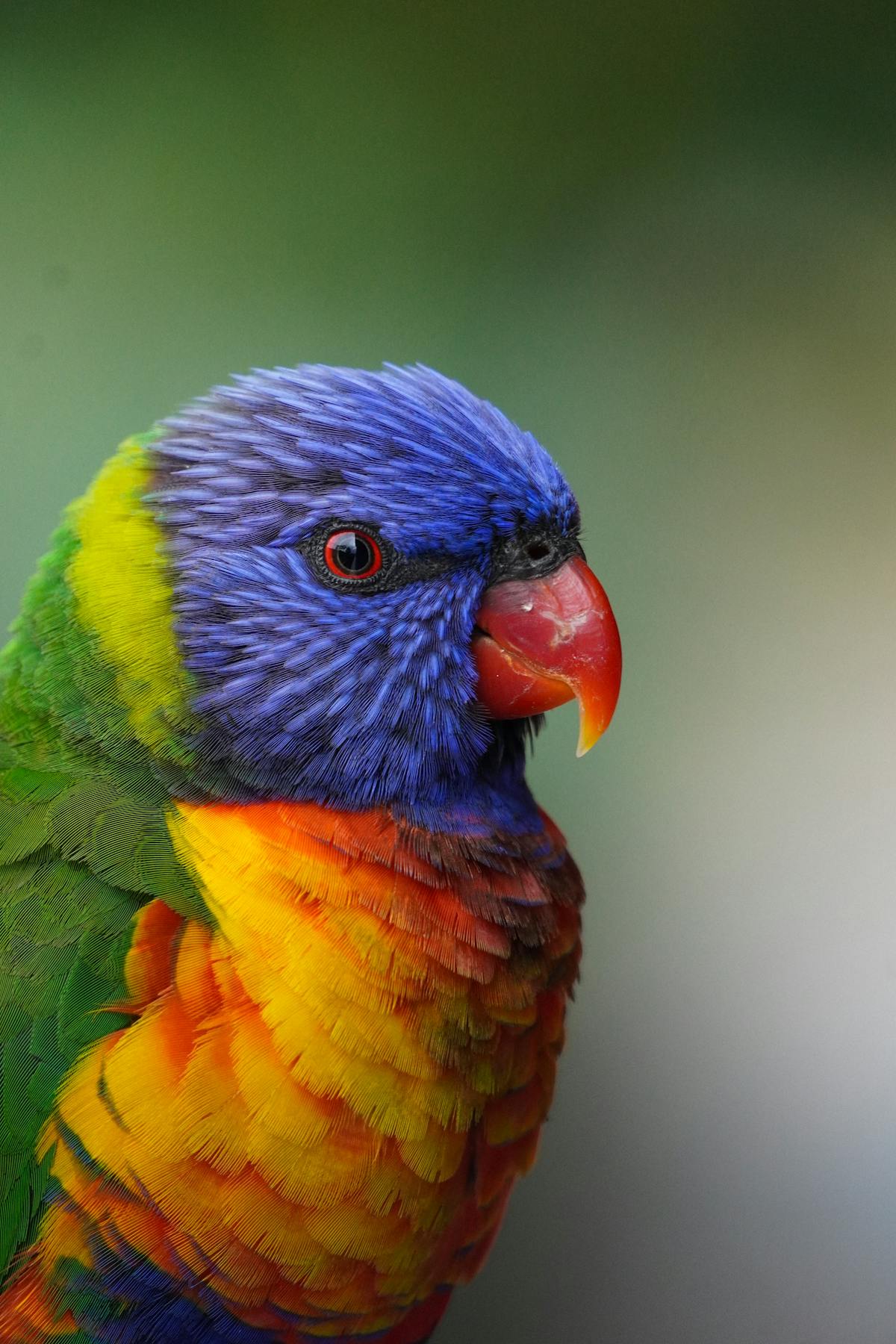
Photography
Rainbow lorikeets are among the most colorful birds in the world: red, orange, yellow, green, blue, and purple are all present in the plumage. They photograph spectacularly.
Natural light, any background. The coloring is dramatic enough that the background barely matters. A lorikeet in natural light at any angle produces a vivid photo.
The tongue display. A lorikeet actively feeding from a nectar dish with the brush tongue visible is a distinctive photo specific to this species.
The pair interaction. Lorikeets are social and kept in pairs in many setups. Two lorikeets together photograph well and show the social behavior of the species.
Community posting. The lorikeet community on Reddit and Australian birding communities loves birthday content. The fresh flower interaction and the nectar feeding photos are species-specific content that performs well.
How Long Do Lorikeets Live?
Rainbow lorikeets typically live 15 to 25 years in captive care with a proper diet. Inadequate diet significantly shortens this. A 10-year birthday for a rainbow lorikeet represents excellent consistent care.
Parrot Birthday Supplies
Parrot birthdays are about foraging enrichment and treat variety:
- Litewoo Bird Foraging Feeder (Stainless Steel), fruit, vegetable, and seed holder. Works for African greys, macaws, conures, and similar birds.
- CIEZZU Bird Foraging and Chewing Toy Set, multiple foraging elements for medium and large parrots.
- Bird Spinner & Foraging Basket Set, mental enrichment basket plus spinning rattle toy.
Sources
- VCA Hospitals: Lorikeets and Lories
- ASPCA Animal Poison Control: People Foods to Avoid Feeding Your Pets
For the eclectus birthday (another species with unusual dietary requirements): Eclectus Parrot Birthday Party Ideas
For the conure birthday (a more typical parrot diet setup): Conure Birthday Party Ideas
- You
- Your pets
- Confirm