
What Can Lorikeets Eat at a Birthday Party? The Nectar Diet Explained
Lorikeet birthday food guide: why the lorikeet diet is completely different from every other parrot, what the birthday nectar feast looks like, what seeds do to lorikeet digestive systems, and the safe fruit additions that work. VCA Hospitals verified.
As an Amazon Associate we earn from qualifying purchases.
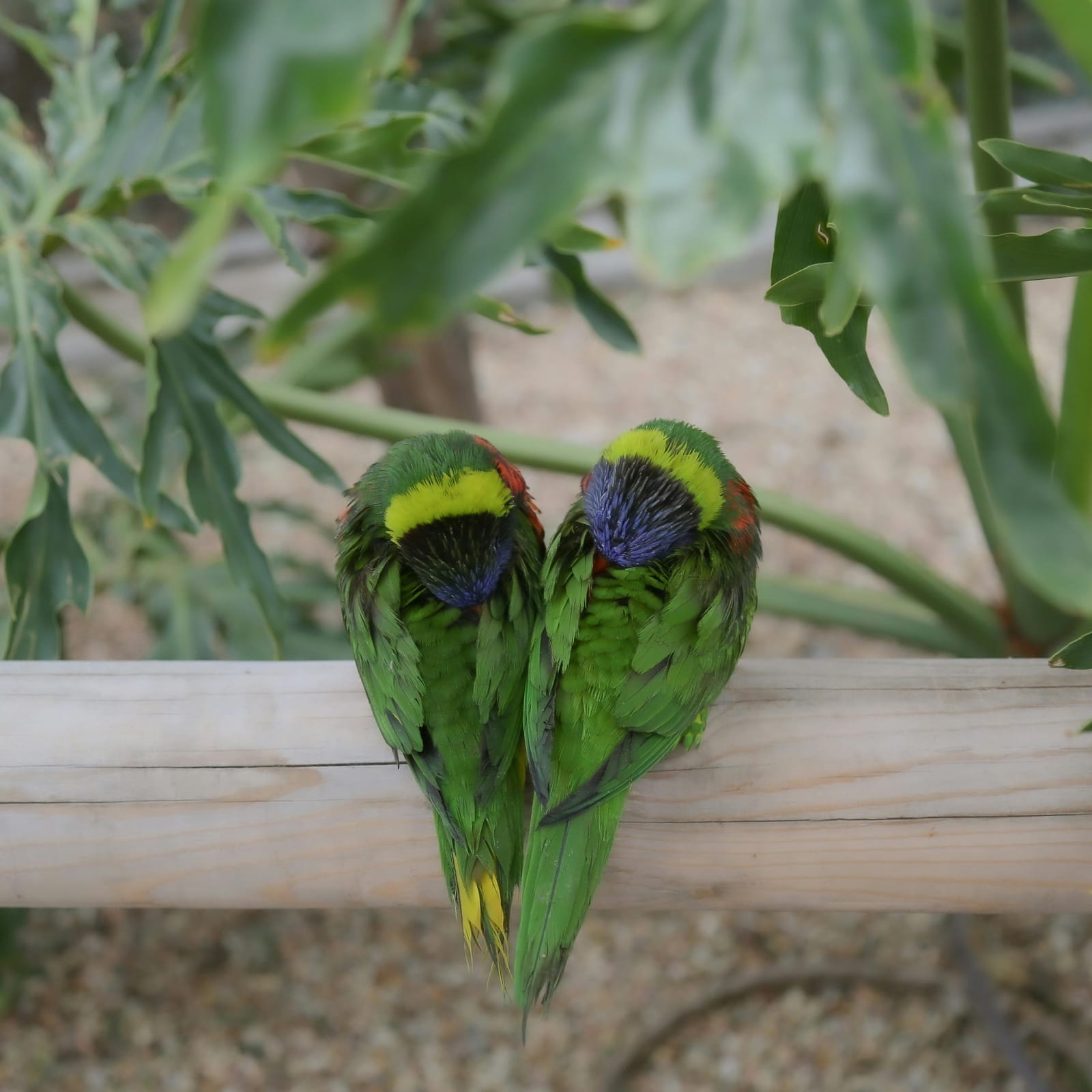
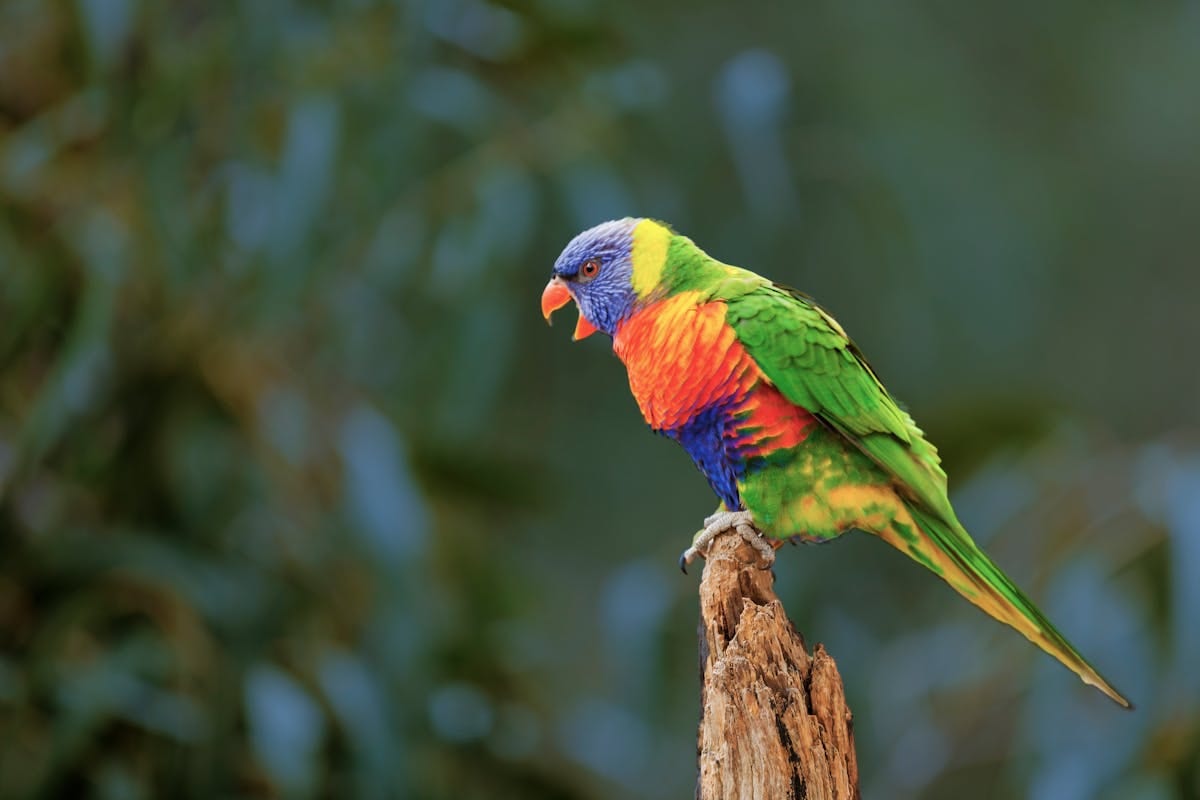
Lorikeet birthday food is completely different from every other parrot’s birthday food, and understanding why matters. Lorikeets are nectarivores. Their digestive system has a reduced gizzard and a specialized brush-tipped tongue designed for lapping nectar and pollen. Seeds cannot be properly digested and cause crop fermentation and malnutrition if offered regularly. The birthday feast for a rainbow lorikeet or any other lorikeet species is a fresh or commercial liquid nectar, plus fresh fruit and edible flowers. That’s the feast. No pellets designed for seed-eating parrots. No seeds. No nut heavy “treats.” Just what the anatomy is built for.
Teflon Warning Applies Here Too
Overheated non-stick cookware fumes kill lorikeets. Same as every other parrot. Prepare all birthday food in stainless steel, cast iron, or ceramic. No exceptions.
The Lorikeet Birthday Feast
Commercial liquid lorikeet nectar. The dietary foundation. Brands like Wombaroo Lorikeet Food and Nektar-Plus are widely used by the lorikeet community. Mix per package instructions and serve fresh. For the birthday, use a premium formulation or mix a fresh batch rather than using an older preparation.
Fresh nectar substitute. For keepers who make fresh nectar: a diluted honey solution is sometimes used but carries fermentation risk. The commercial formulations are better balanced and safer. Discuss fresh nectar preparation with an avian vet familiar with lorikeets.
Fresh fruit (birthday upgrade):
- Pomegranate seeds, excellent
- Mango
- Papaya
- Melon
- Apple (seeds removed)
- Pear (seeds removed)
- Berries: blueberry, strawberry, raspberry
- Grapes (seedless)
- Kiwi
- Banana
Edible flowers (if available, pesticide-free):
- Grevillea blossoms (a wild lorikeet favorite)
- Hibiscus flowers and leaves
- Bottlebrush blossoms (Callistemon)
- Dandelion flowers
Vegetables (minor component): Some lorikeets accept soft vegetables. Small amounts of corn, sweet potato (cooked), or soft cooked vegetables are accepted by many individuals. This is supplementary, not the main course.
The lorikeet birthday cake. Skip anything resembling actual cake. Sugar, butter, and flour don’t do anything a lorikeet’s body needs and can cause real problems. The community’s version is a halved orange, hollowed out, filled with fresh nectar, and topped with pomegranate seeds and a few slices of mango. The bird works through the orange flesh from inside the shell and drinks the pooled nectar in the middle, which is about as close to cake-and-punch as a nectarivore’s gut allows.
What You Must Not Give Lorikeets
Seeds and seedbased diets. This is the most important dietary rule for lorikeets. Seeds cannot be digested properly by the lorikeet digestive system. A lorikeet fed seeds develops crop fermentation, malnutrition, and serious health problems. Seeds are not a birthday treat for lorikeets. They’re a harm. If your lorikeet perks up at a seed mix in the pet store, that’s curiosity about something novel, not a nutritional need. Some lorikeets that get a taste for seeds start preferring them over nectar, which is exactly the malnutrition risk above playing out at home. Skip the seed treat entirely. A fresh pomegranate or a grevillea blossom does the same “special occasion” job with none of the risk.
Standard parrot pellets. Pellets designed for seed-eating parrots are not appropriate for lorikeets. Some lorikeet-specific pellet or dry powder diets exist and a portion of the community uses them, mainly because they don’t spoil as fast as wet nectar sitting in a warm room. If dry lorikeet food is your bird’s regular base, the birthday upgrade is simple: fresh nectar alongside it, not instead of it.
Avocado. Persin toxicity. Lethal.
Chocolate and caffeine. Toxic to birds.
Onion and garlic. Hemolytic anemia risk.
Apple and cherry seeds, fruit pits. Cyanogenic compounds.
Alcohol. Toxic.
Xylitol. Toxic.
Processed food with salt or preservatives. Not appropriate.
Any fermented or old nectar. Lorikeet nectar ferments quickly at room temperature. Change the nectar dish at least twice daily. Birthday nectar should be freshly mixed.
The Fermentation Warning
Lorikeet nectar spoils fast. In warm weather, a nectar dish left out for more than 4 to 6 hours can begin fermenting. Fermented nectar causes bacterial crop infections. On birthday day, check and refresh the nectar dish frequently if the celebration runs long. A bird that’s been drinking fermented nectar may show fluffed feathers, regurgitation, or lethargy. This is a veterinary situation, not a “wait and see” situation.
Parrot Birthday Supplies
Parrot birthdays are about foraging enrichment and treat variety:
- Litewoo Bird Foraging Feeder (Stainless Steel), fruit, vegetable, and seed holder. Works for African greys, macaws, conures, and similar birds.
- CIEZZU Bird Foraging and Chewing Toy Set, multiple foraging elements for medium and large parrots.
- Bird Spinner & Foraging Basket Set, mental enrichment basket plus spinning rattle toy.
Sources
- VCA Hospitals: Lorikeets
- ASPCA Animal Poison Control: People Foods to Avoid Feeding Your Pets
For the full birthday celebration: Lorikeet Birthday Party Ideas
For the macaw food comparison (very different diet): What Can Macaws Eat at a Party?
- You
- Your pets
- Confirm