
Jumping Spider Gotcha Day: Celebrating the Day Your Jumber Came Home
Jumping spider gotcha day ideas: the anniversary feast for Phidippus regius and bold jumpers, the eye-contact photo tradition, the lifespan reality that makes each anniversary more significant, and what the jumping spider community actually posts for the occasion.
As an Amazon Associate we earn from qualifying purchases.
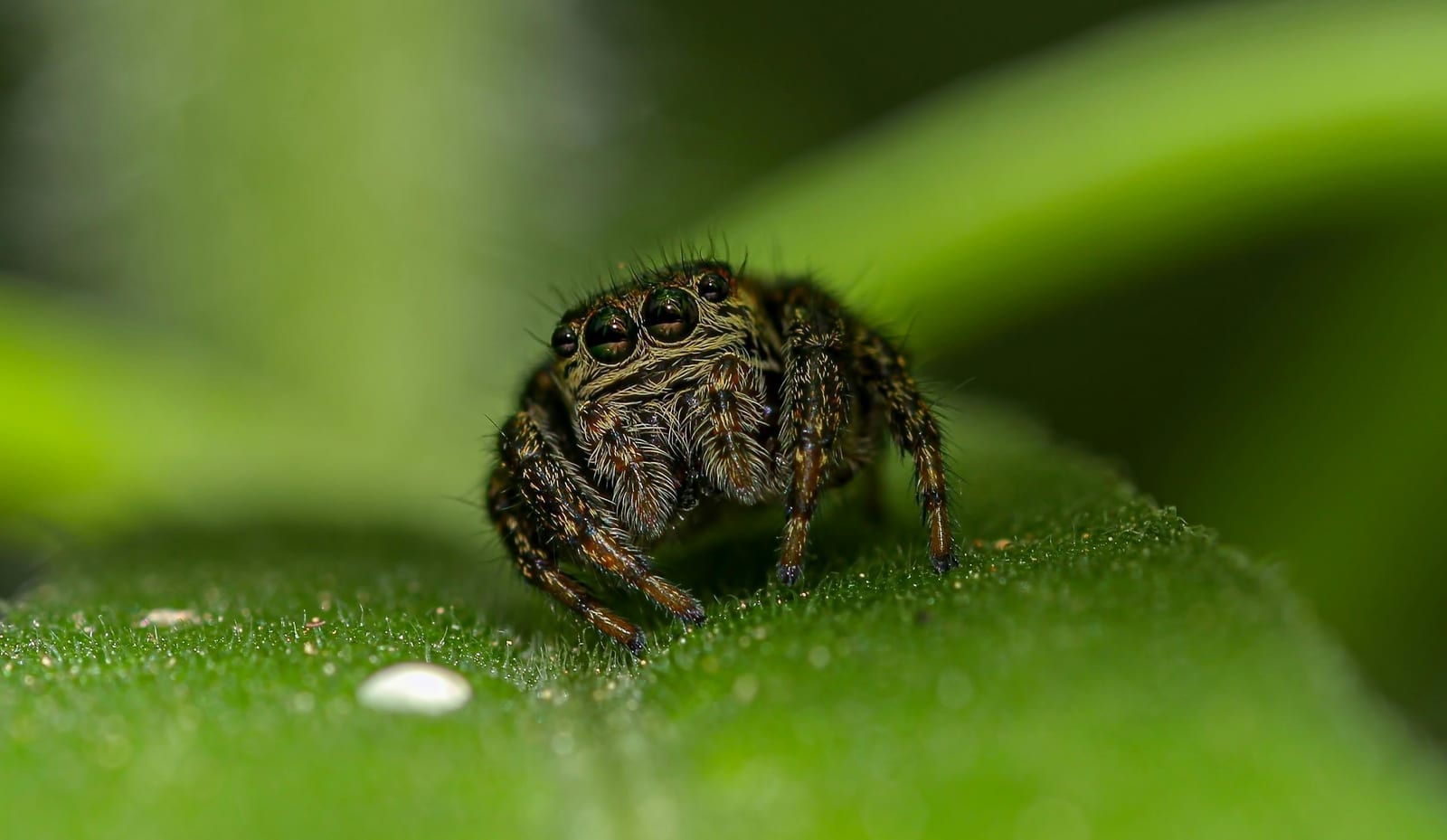
Jumping spider gotcha days matter more than for most animals because the lifespan is so short. Phidippus regius females typically live 2 to 3 years. Males live significantly less. A jumping spider’s gotcha day at year 2 is near the end of a female’s natural lifespan. There’s no casual “we’ll celebrate next year” energy here. Each anniversary is marked, the eye-contact photo is taken, the varied prey feast is prepared, and the community post is made. The jumping spider community on Reddit and Instagram celebrates these milestones with genuine enthusiasm because the community understands what the timeline looks like.
Gotcha Day vs. Hatch Day for Jumping Spiders
Spiderlings purchased from breeders sometimes come with approximate hatch dates, particularly from the established Phidippus regius breeding community in Europe and North America. Many breeders track hatch dates because sex-related lifespan differences (females live 2 to 3 years; males mature faster and die younger after maturity) make this information useful for buyers.
For spiders purchased without hatch dates, or captured juveniles (where legal), the gotcha day is the date to mark.
The molt date is also tracked in the jumping spider community: each molt means a slightly larger, often differently colored spider, and the molt anniversary counts as a milestone in its own right.
The Gotcha Day Feast
Same rules as the birthday feast. Species-appropriate live prey, nothing too large.
Bottle flies for adult Phidippus regius. The preferred prey for large regius adults. If you culture bottle flies or can source them from a reptile supplier, gotcha day is the occasion to offer them.
Dubia roaches for larger spiders. A small dubia for an adult P. regius is an appropriate gotcha day protein treat.
Fruit flies for juveniles. D. hydei for subadults, D. melanogaster for younger slings.
Live prey only. Jumping spiders hunt by sight and movement. Dead prey doesn’t trigger the hunting response effectively.
Size appropriate. No prey larger than the spider’s abdomen.
A jumping spider that ignores the whole feast isn’t necessarily off its food for good. Premolt spiders stop eating days before they shed. A spider that’s just molted needs 48 to 72 hours before it’s interested in prey again, and one that ate well the day before may simply not be hungry yet, try again tomorrow. If the refusal runs past a week with no molt in sight, check the humidity and temperature before assuming something’s wrong.
The Gotcha Day Eye-Contact Photo
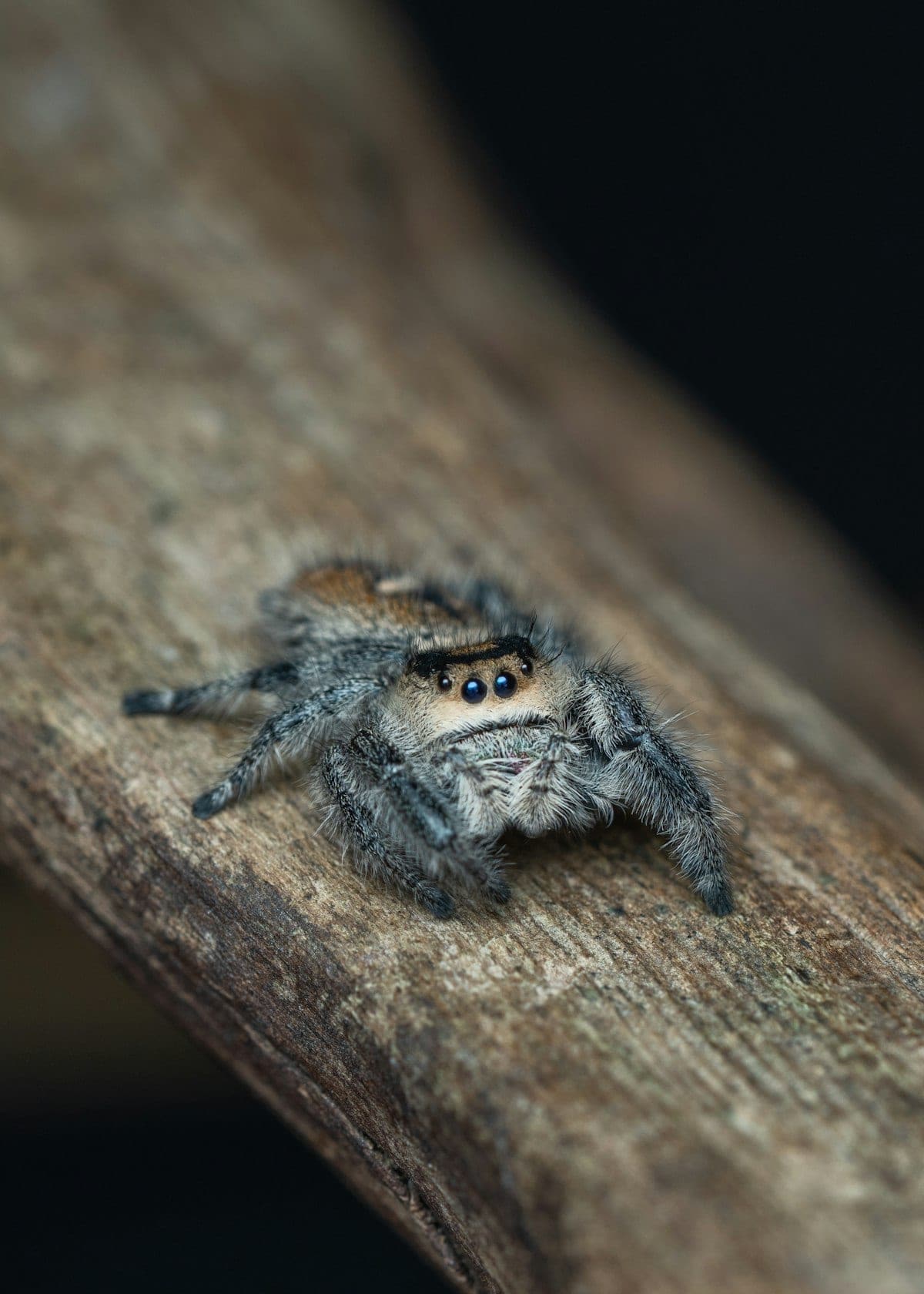
This is the central tradition in the jumping spider community for any milestone: the anniversary eye-contact photo. The shot where the spider is directly facing the camera, both anterior median eyes clearly visible, apparently looking at the lens.
On the gotcha day, spend 10 to 15 minutes positioning the spider on a photo prop (white card, cork bark, smooth driftwood) and waiting for the moment where the spider turns and looks directly at the camera. Macro mode. Natural light. The photo when it happens is the gotcha day post.
What makes the gotcha day eye-contact photo different from the birthday photo: many keepers on gotcha day add context to the photo. A small sign in the background with the gotcha day year. The comparison to an earlier photo that shows the spider’s development. The specific note on how this spider has changed or what happened this year in the relationship.
The Lifespan Acknowledgment
The jumping spider community is generally upfront about the lifespan, in a way that other pet communities sometimes aren’t. A 2-year-old female P. regius that’s healthy and active is a spider in the last year of her likely lifespan. The gotcha day post at year 2 for a female often carries an explicit acknowledgment of this: “She’s probably at the end of her time. She still makes direct eye contact every time I open the enclosure door. I’m not ready.”
Slowing down at that age is usually just age, not a problem. Older females spend more time in the sleeping sac, move less, and eat less often. Illness looks different: a sudden change in posture, trouble gripping the enclosure walls, trembling, a visible injury. Gradual and otherwise-healthy-looking is age. Sudden is worth a closer look.
This honesty is part of the community culture. The short lifespan doesn’t diminish the relationship, it makes each milestone feel more significant.
The Community Tradition
r/jumpingspiders and the jumping spider community on Instagram and Facebook celebrates gotcha days, molt anniversaries, and lifespan milestones consistently. What gets community engagement:
- The eye-contact photo: this specific shot is what the community is looking for
- The correct species ID (P. regius, P. audax, P. otiosus, Hyllus diardi, etc.)
- An honest personality note about this specific spider
- For older spiders: a lifespan acknowledgment that’s honest but not morbid
The community responds warmly to posts that treat these animals as individuals with observable personalities. Because they are.
One thing the gotcha day isn’t for: breeding. It requires specific conditions and deliberate timing, not a casual anniversary impulse, and the male is at real risk during and after the process. If you’re interested in breeding your jumping spider, that’s its own planned undertaking, with proper introduction protocols and post-mating separation worked out in advance, not something to attempt for the first time on an anniversary.
Jumping Spider Birthday Supplies
Jumping spider birthdays: new decor and a special feeder treat:
- Bottle Fly Pupae for Jumping Spiders, preferred feeder size for most jumping spiders.
- Cork Bark for Spider Enclosure, natural cork bark as enclosure enrichment.
- Air Plant Tillandsia, live air plant for the enclosure. No soil needed.
Sources
- University of Florida IFAS: Regal Jumping Spider (Phidippus regius)
- AB Spiders: Phidippus regius Care Guide
For the full birthday party guide: Jumping Spider Birthday Party Ideas
For the tarantula molt anniversary comparison: Tarantula Birthday Party Ideas
- You
- Your pets
- Confirm