
Praying Mantis Birthday Party Ideas: Celebrating Your Mantis
Praying mantis birthday ideas from keepers who know the hobby: the birthday feast with live prey, molt anniversary traditions, the unmistakable photo setup, and why mantis keeping is one of the more rewarding short-lifespan invertebrate hobbies.
As an Amazon Associate we earn from qualifying purchases.
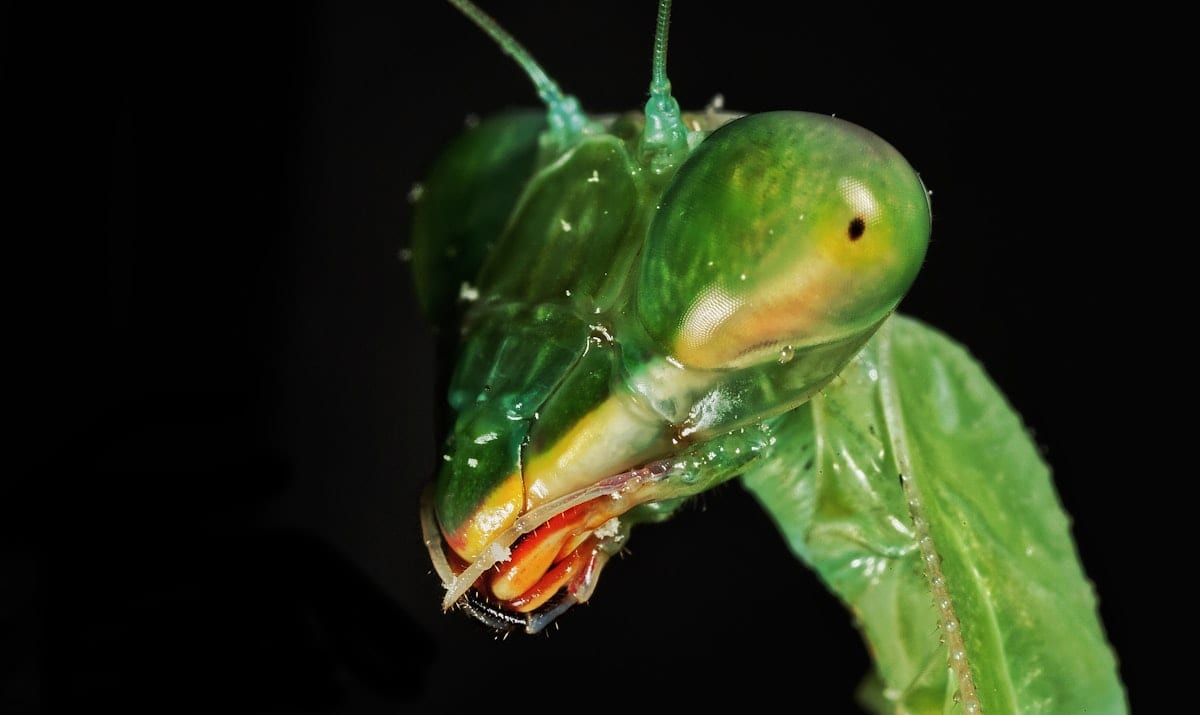
Praying mantis keeping is a short-lifespan hobby built around molt milestones. Most species live 12 to 18 months total, and keepers who track this carefully celebrate the molt dates as the functional birthdays. The birthday feast is a large, high-drama live prey item, a photo session using the mantis’s natural hunting pose, and for many keepers, a final molt acknowledgment before the adult stage and eventual end of life. The mantis community is specific, knowledgeable, and attached to their animals in a way that surprises most people unfamiliar with the hobby.
Molt Anniversary: The Birthday That Actually Matters
Praying mantis keepers track molts. Every molt means a larger mantis, often with different coloring, and a step closer to the adult stage. The molt anniversary, or the date of the most recent major molt, is the birthday in this hobby. Keepers often celebrate the final subadult to adult molt as the primary birthday milestone.
Many mantis species also become sexually mature at their final molt, which changes the feeding and husbandry requirements significantly. Males typically die within weeks to a few months of their final molt. Females live longer. The birthday context for each depends on where the mantis is in its lifecycle.
Sexing gets easier as the mantis grows. By L4 to L5 you can usually count abdominal segments, six visible segments on a female, eight on a male, and the antennae often differ by sex too. At the final adult molt it stops being a guessing game: females are typically larger, males grow wings and tend to have slimmer abdomens. Knowing which you have well before that final molt tells you roughly what kind of birthday you’re planning for.
If you don’t have molt dates recorded, start recording them now. A simple log with date, instar number, and observations is the baseline for the hobby.
The Birthday Feast
Praying mantises are obligate predators. They eat live prey. The birthday feast is a particularly good live prey item, ideally larger or more interesting than the usual fare.
Insects appropriate to the mantis’s size. The prey item should be no larger than the mantis’s head. Common species:
For small mantises (L1 to L3 instar): Fruit flies (Drosophila melanogaster or D. hydei), small crickets.
For medium mantises (L4 to L6): Crickets, small dubias, bottle flies, mealworms.
For large adults: Large crickets, large dubias, butterworms, wax moths, bottle flies.
The birthday prey choice. Wax moths (if available) are a community favorite for adult mantises as a treat prey item. They fly, which triggers the mantis’s prey drive intensely, and they’re soft-bodied so even mantises in early post-molt condition can handle them. A wax moth birthday offering for an adult mantis is the most dramatic feeding event in the invertebrate hobby.
A horned worm for large species. Some large species (Idolomantis diabolica, Hierodula species) can take hornworms. The hornworm’s movement and size make for impressive feeding video.
Remove uneaten prey. Live crickets can injure a mantis, particularly during or after a molt. After the birthday feast, remove any uneaten prey within a few hours.
If the mantis won’t touch the birthday prey at all, check whether it’s in premolt before assuming something’s wrong. A mantis that refuses food for several days, sometimes up to a week, right before shedding its exoskeleton is just prepping for the molt. Don’t force it, don’t leave live prey in the enclosure in the meantime (it can injure a mantis mid-molt), and don’t handle it. The feast waits for the molt, not the other way around.
The Birthday Photo Session
Praying mantids are one of the most photogenic invertebrates kept as pets. The compound eyes are large, forward-facing, and track the camera lens directly. The triangular head tilts to follow movement. The folded forelegs complete the silhouette that’s immediately recognizable.
The eye-contact shot. Hold your phone or camera close to the mantis (on a stick, a plant, or your hand) and it will turn and look at the lens. The pseudo-pupils in the compound eyes appear to track the camera. This is the shot the mantis community shares most. Frame it so the eyes are centered and the forelegs are visible.
The hunting pose. A mantis that spots prey extends its head and shifts its weight forward into a distinctive hunting posture. If you hold prey near the mantis during the photo session (without releasing it to create a risk), you’ll see this pose. Photograph in burst mode.
Natural plant background. A mantis on a stick insect plant, a rose stem, or a twig against a natural background looks like wildlife photography. Use natural window light for the best color rendering.
The size comparison. A mantis next to a ruler, a pencil, or a common object shows scale. The largest mantis species (like Idolomantis diabolica) can exceed 5 inches. The size comparison photo is the community record-keeping tradition.
Species Notes for Birthday Context
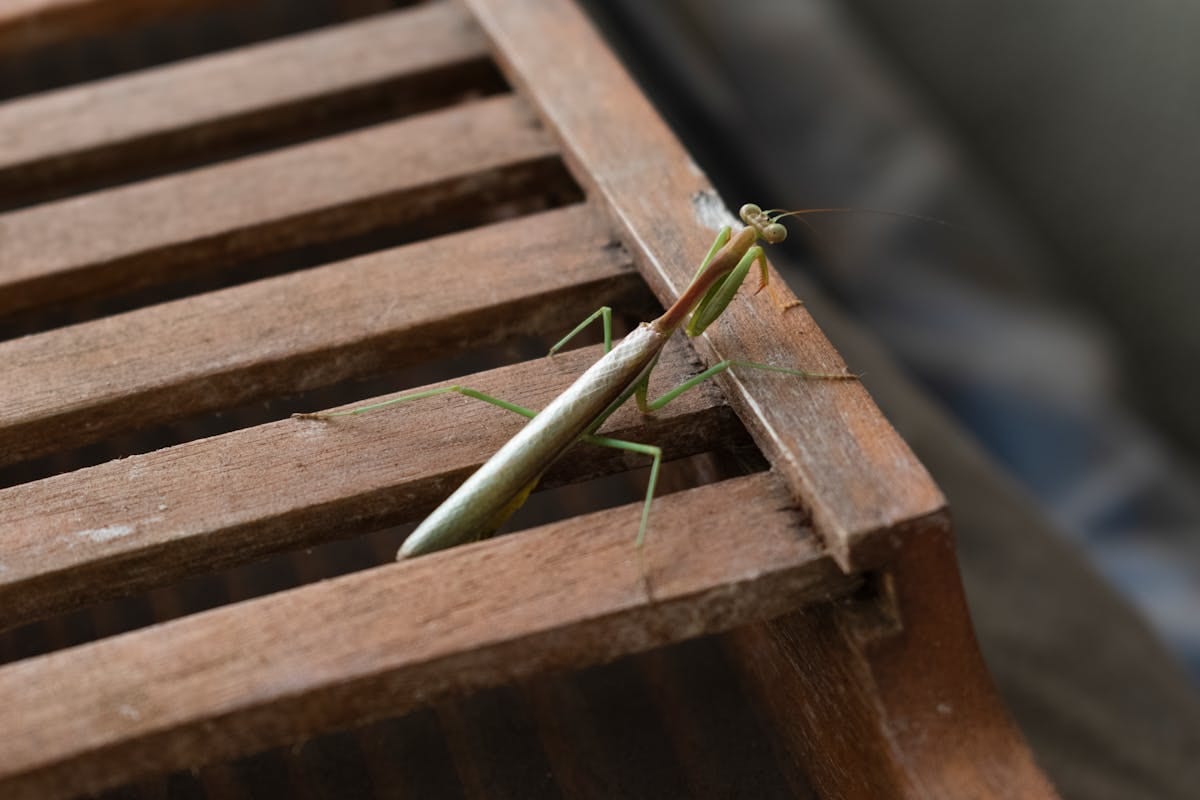
The praying mantis hobby includes dozens of species with significantly different care requirements and personalities:
Sphodromantis viridis (African Praying Mantis): The most beginner-friendly species. Hardy, eats a wide variety of prey, handleable.
Hierodula species: Large, aggressive hunters. Less handleable but impressive. Popular in the hobby for feeding content.
Orchid Mantis (Hymenopus coronatus): One of the most visually striking species. Pink and white coloring. More delicate husbandry requirements.
Ghost Mantis (Phyllocrania paradoxa): Excellent camouflage. Tolerant of communal keeping. Smaller than many species.
Creobroter species: Flower mantises. Smaller, delicate, often kept for their coloring.
The birthday celebration format adapts to the species. A Sphodromantis viridis can handle being handled for a photo; an Orchid Mantis is better photographed in the enclosure.
Most species don’t share the Ghost Mantis’s tolerance for company, either. Praying mantises are cannibalistic by default, and cohabitation isn’t something to attempt without real space, constant food availability, and close monitoring, if at all. For nearly every species in the hobby, the birthday is a solo event.
How to Handle the End of the Mantis Lifecycle
This is a genuinely emotional aspect of the mantis hobby that most care guides avoid but keepers face directly: the lifespan is short. An adult mantis may live weeks to a few months after its final molt. Males die sooner. The birthday celebration in the adult stage carries this awareness.
The community norm is to acknowledge this directly. A birthday post for an adult mantis often includes a note about where in the lifecycle the animal is. This is not morbid, it’s accurate. The mantis community has a matter-of-fact relationship with the short lifespan that comes from genuine care for the animal.
Party Supplies
- Mesh Mantis Enclosure, ventilated habitat sized for the mantis’s current instar.
- Fruit Fly Culture Starter Kit, for keepers raising their own feeders for smaller instars.
- Artificial Terrarium Plant, a natural-looking perch for the birthday photo session.
Sources
- Mantis Forum: Care Guides
- ASPCA Animal Poison Control Center: Animal Poison Control
For the jumping spider celebration (another invertebrate with big personality): Jumping Spider Birthday Party Ideas
For the general exotic birthday framework: Pet Birthday Party Guide
- You
- Your pets
- Confirm