
Cat Birthday Party Themes That Actually Work for Cats
Cat birthday party themes built around real feline temperament: a vertical cat-tree world for climbers, a jungle-cat hunt for food-driven cats, a cat cafe for mellow socializers, and a spa day for anxious or senior cats.
As an Amazon Associate we earn from qualifying purchases.
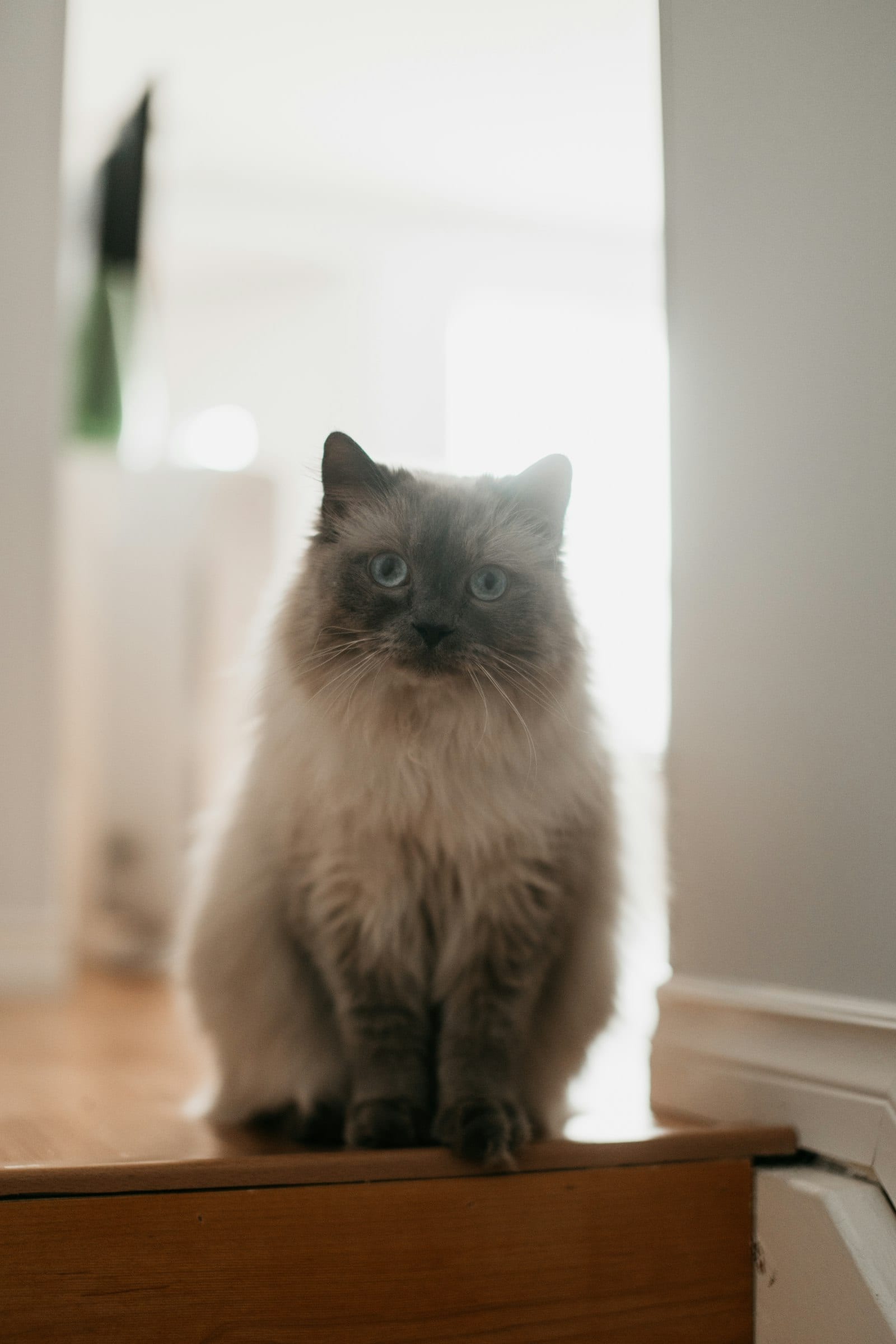
The cat birthday party themes that actually work are the ones built around what a specific cat already does: climb and watch from height, hunt small hidden things, seek out a warm lap, or avoid strangers entirely. A theme picked for how it photographs and then wedged onto a cat is exactly why most “cat party theme” roundups online read like dog party guides with a cat pasted over the dog.
Dogs generally want to be at the center of a gathering. A meaningful share of cats do not, and that’s not a flaw to work around, it’s the design brief. This guide is organized around four themes built on real feline behavior, plus an honest section on when the right call is no party at all, just a quiet Tuesday with better snacks.
Why “Cat Party Theme” Content Keeps Missing the Point
Search “cat birthday party themes” and most of what comes back is a “dog party themes” template with balloon colors swapped and a cat photo dropped in. Streamers, a full guest list, a piñata, a designated “party zone” in the middle of the living room. That’s a dog’s birthday. A cat’s birthday, done honestly, has to start from a different premise: cats are territorial in their own home, most are not naturally drawn to strangers, and a loud multi-guest gathering is, for a meaningful number of cats, closer to a stressor than a gift.
That’s not pessimism, it’s just what the behavior research says. Cats who weren’t exposed to a wide variety of people during their two-to-seven-week socialization window tend to stay more cautious around unfamiliar humans for life, and fear of strangers in an adult cat is a completely normal, well-documented response rather than a personality defect to train out of them in an afternoon (Best Friends Animal Society). A theme that assumes every cat wants a room full of new people, new noise, and a new schedule is a theme built for the photo, not the cat.
The four themes below start from what’s already true about your specific cat instead.
Step One: Figure Out Which Cat You Actually Have
Before picking a theme, sort your cat into roughly one of two buckets. This takes about thirty seconds of honest observation, and it decides everything else.
High-energy and food-driven: chases the laser pointer until you’re both tired of it, waits by the food bowl before mealtime, still stalks and pounces on toys as an adult, greets new objects in the house with curiosity rather than suspicion. This cat can handle more stimulation, more novelty, more activity packed into the party window.
Low-stimulation or easily overwhelmed: startles at doorbells, disappears when the vacuum comes out, takes a while to warm up to visitors even ones who come often, prefers one predictable lap over exploring a new setup. This cat needs the party scaled down, not up, no matter how good a bigger version would look in photos.
Most cats sit somewhere between the two, and age moves the needle too. A cat can shift from the first bucket into the second as they get older or after a health change, which is worth checking against our senior cat birthday guide if your cat is ten or older. The theme you pick should match the cat you have this year, not the one you had three birthdays ago.
Theme One: The Vertical World
Best for: cats who already spend their day on top of the fridge, the bookshelf, or the highest point in any room they enter.
Cats have a well-documented need for vertical space. Access to an elevated perch lets a cat monitor the room from a position of safety, and climbing, perching, and observing from height are core feline behaviors rather than a quirk, part of what veterinary behavior guidelines list among the core environmental needs for a healthy indoor cat (VCA Animal Hospitals, Feline Environmental Needs Guidelines). A birthday theme that leans into that need instead of fighting it works with the cat’s actual instincts rather than against them.
What it looks like: the party happens at multiple heights, not just floor level. If you have a cat tree, that’s the centerpiece, not decor. Add a temporary shelf or a stack of stable, cat-safe boxes near a window for an extra perch. Hang a lightweight garland or a single small banner at a height the cat can look down on rather than up at, since a decoration a cat has to crane its neck to see becomes a threat assessment instead of a party. Treats and the “cake” go on the highest safe surface your cat already uses, so the cat comes down to the party on its own schedule instead of being carried to it.
Guest count: this theme tolerates a few familiar humans well, since the cat can retreat upward at any point and still technically be “at” the party.
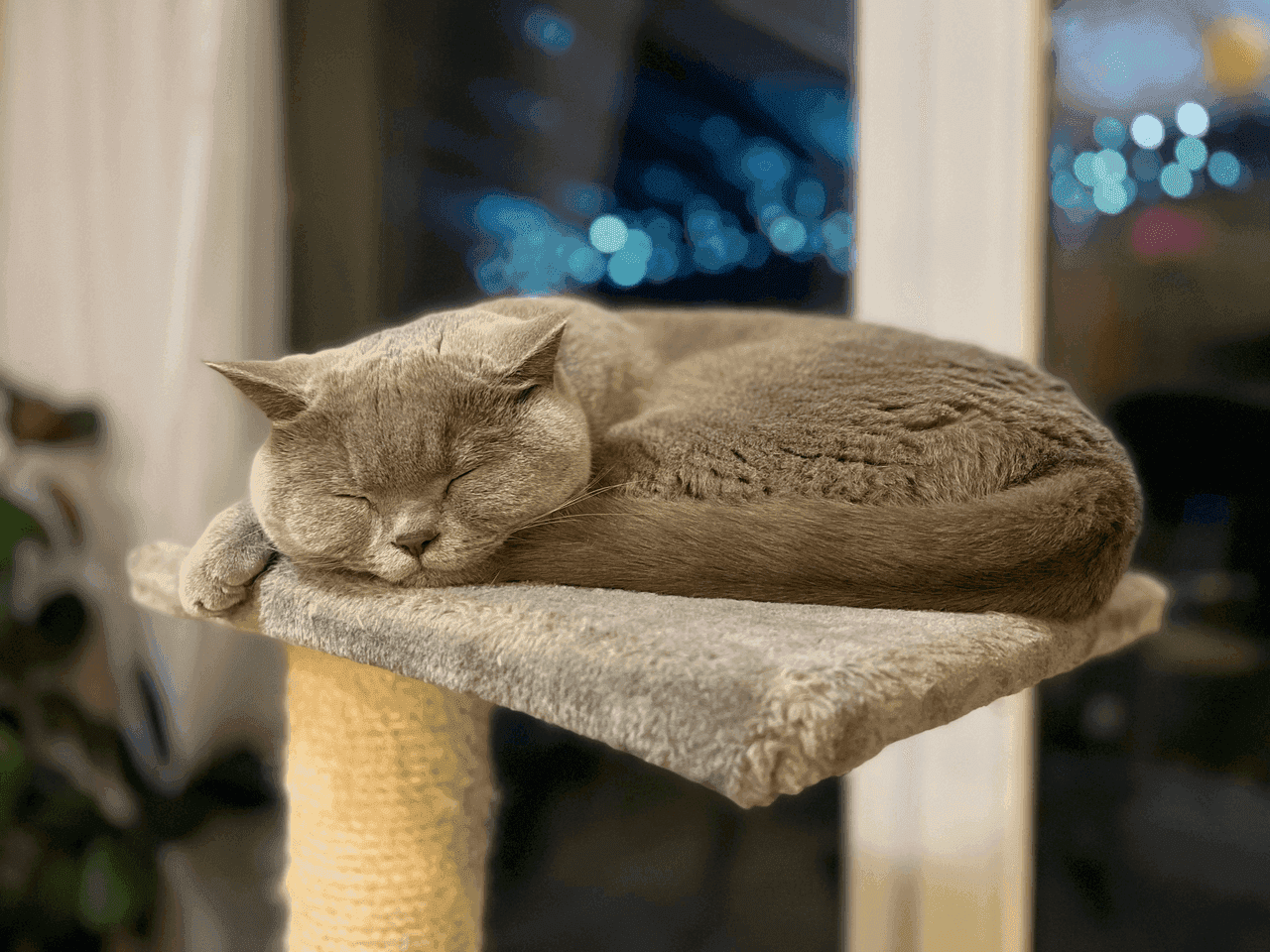
Shop on Amazon Cat Window Perch Hammock
Theme Two: The Jungle Cat Hunt
Best for: high-energy, food-motivated cats who still stalk a moving toy like it owes them money.
This is the theme that leans hardest into actual predatory instinct instead of decorating around it. A domestic cat’s wild ancestors had to catch something like ten to twenty small prey items a day to survive, and that drive to stalk, pounce, and “catch” a meal didn’t disappear just because dinner now comes from a bag. Hiding part of a cat’s food or treats around the house and using puzzle feeders that require some effort to release the food both tap directly into that instinct, and cats that get this kind of predatory-style enrichment tend to be more engaged and less bored than cats who only ever eat from a bowl (The Ohio State University Indoor Pet Initiative).
What it looks like: skip the single birthday plate on the counter. Instead, hide four or five small portions of a high-value treat (a few flakes of plain cooked salmon or a handful of freeze-dried chicken) in low, safe, findable spots: behind a chair leg, on a low shelf, inside an open cardboard tunnel. Add one or two puzzle feeders loaded with a portion of the actual birthday treat, so working for it is part of the reward. A feather wand session, run by a human rather than left as a static toy, closes out the “hunt” with a real chase-and-catch sequence, which is the part of the predatory cycle a hidden treat alone can’t provide.
Guest count: this theme works fine solo. A hunting cat doesn’t need an audience, and too many people moving around the house actually competes with the treat-hunt for the cat’s attention.
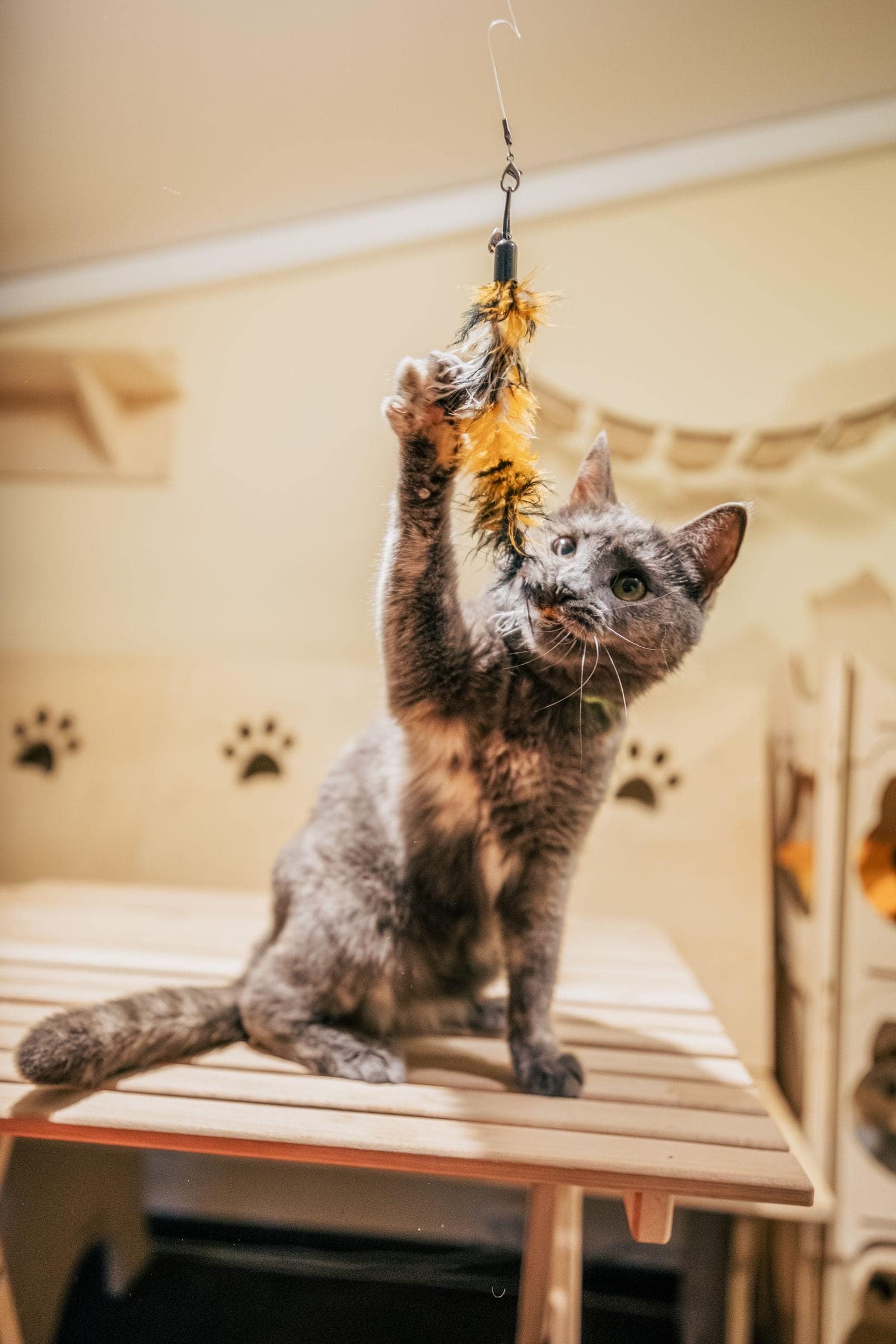
Shop on Amazon Feather Wand Cat Toy
Theme Three: The Cat Cafe
Best for: cats who like people fine, in small numbers, at their own pace, without being the center of attention the whole time.
The appeal of an actual cat cafe, for cats who thrive in one, isn’t chaos. It’s a calm, warm, low-pressure room where a cat can approach a person or not, get scratched or not, and nobody’s feelings are hurt either way. That’s the model worth copying for a home party built for a socially confident but not high-energy cat: consistent, low-intensity, cat-initiated interaction, which is exactly what veterinary behavior guidelines describe as the kind of human contact cats actually prefer, over a small number of intense, cat-forced interactions (VCA Animal Hospitals, Feline Environmental Needs Guidelines).
What it looks like: a few humans, seated, quiet conversation, snacks for the people that aren’t loud to unwrap. No games that require chasing or cornering the cat. A warm, sunny spot with a soft blanket becomes the cat’s “table,” and guests are told upfront that the cat approaches them, not the other way around. A small treat plate refreshed once or twice through the afternoon keeps the cat circulating back into the room instead of retreating for good after the first ten minutes. This is the closest a home party gets to a genuinely mellow social event, and it’s the theme that keeps working even as guests linger longer than the “12-minute window” most cats grant a party (see our general cat birthday party ideas guide for more on that window).
Guest count: three to five familiar humans is the ceiling for most cats attempting this theme comfortably. Past that, it stops being a cafe and starts being a crowd.
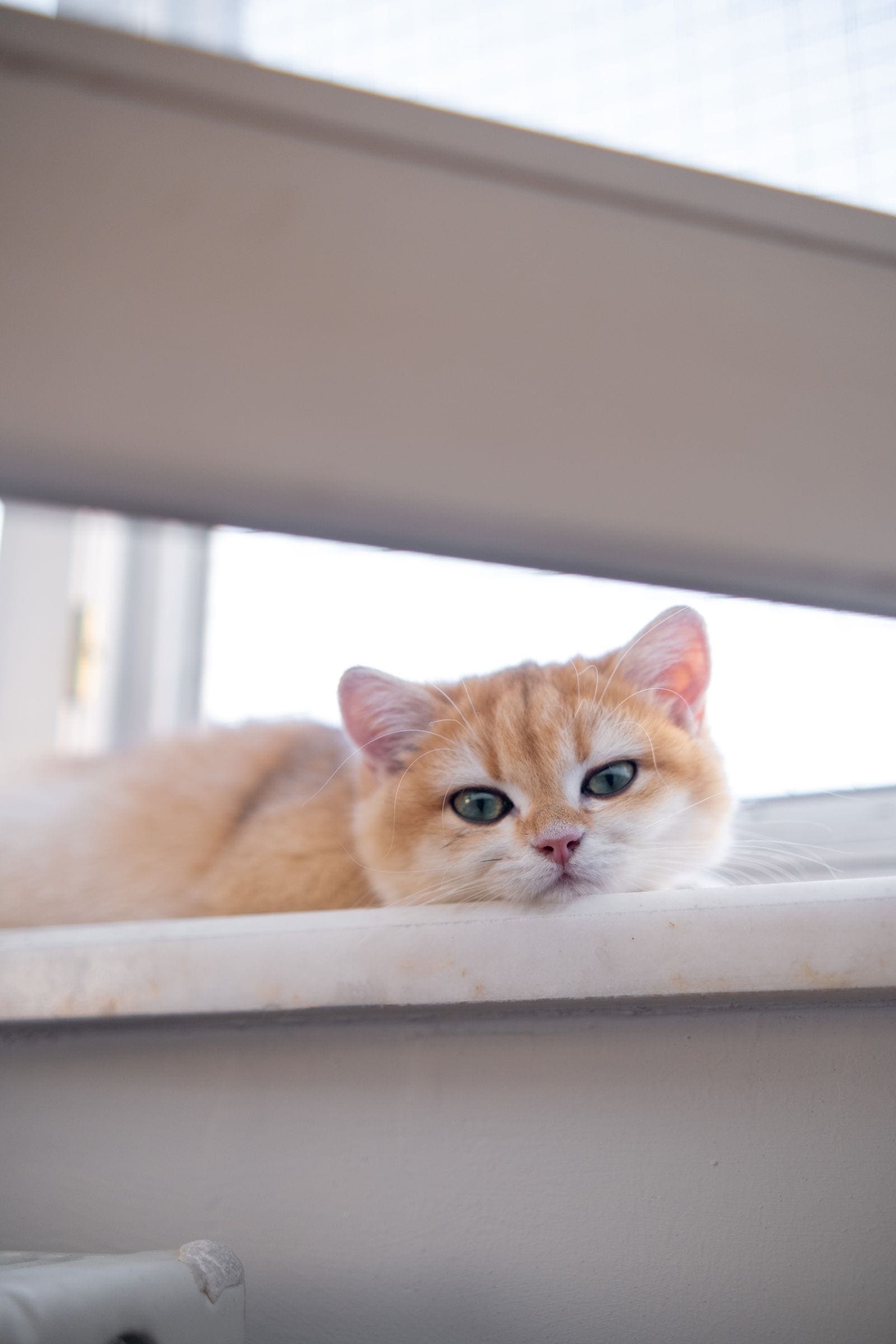
Shop on Amazon EXPAWLORER Cat Birthday Party Supplies
Theme Four: The Spa Day
Best for: anxious cats, senior cats, cats recovering from anything, or any cat whose owner already knows a bigger party is the wrong call this year.
This is the theme most “party theme” content skips entirely, and it’s often the right one. A cat showing dilated pupils, ears pinned back, a tucked or twitching tail, hiding, or refusing treats they’d normally take is displaying documented signs of fear, anxiety, or stress, the same signals veterinary teams watch for and try to prevent during a clinic visit (VCA Animal Hospitals, Fear Free for Cats). A birthday party that produces those signals isn’t a celebration, whatever the photos look like. The spa day theme is built to avoid triggering them in the first place.
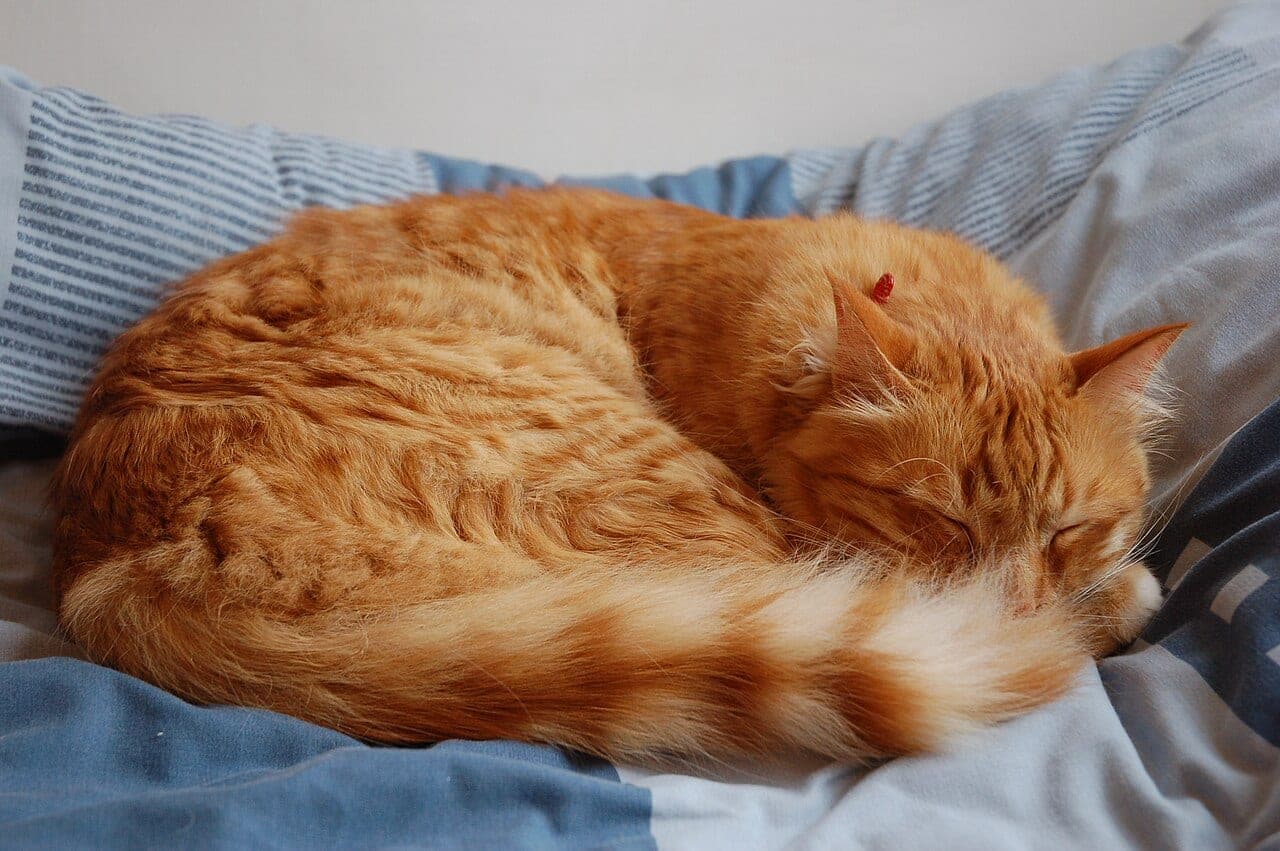
What it looks like: one, maybe two familiar people, no doorbell surprises, no new visitors. Dim the harshest lights. A slow grooming session with a soft brush, if your cat already tolerates brushing, doubles as both enrichment and bonding. A warm, quiet resting spot, away from foot traffic, with a single high-value treat offered gently rather than presented as a production. No costumes, no forced photos, no crown that has to be held in place. If your cat is a senior specifically, our senior cat birthday guide covers the physical side of this in more depth, joint comfort, dental limits on treats, and warmth needs that a spa day theme should already be accounting for.
Guest count: often just the household. That’s not a smaller birthday, it’s the correctly sized one for this cat, this year.
Shop on Amazon Cat Calming Pheromone Diffuser
The Guest List Question, Answered Honestly
Every one of these four themes runs into the same fork eventually: how many people, and which ones. Cats are territorial about their own home in a way most dogs simply aren’t, and an unfamiliar person walking through the door can turn a relaxed cat into a completely different animal for the rest of the day (Best Friends Animal Society). That’s true regardless of which theme you pick, and it’s worth deciding on purpose rather than by default.
A reasonable framework: start with the smallest guest list the theme can support, and expand only if your cat is visibly, consistently fine with it, not just tolerating it. Watch for the actual signals, ears held sideways or flat, a tail flicking hard, dilated pupils, retreating to one spot and staying there, rather than assuming silence means comfort (ASPCA Pet Insurance). If your household has more than one cat, the guest-list math changes further, since multiple cats and a room full of new people is its own planning problem covered in our multi-cat birthday guide.
And if the honest read on your cat is that no version of a multi-guest party is going to land well this year, that’s a legitimate outcome, not a failure to plan around it hard enough. A quiet one-human, one-cat spa day with a great treat is still a birthday. For setting up any of these four themes in a smaller space, our indoor cat party setup guide covers the apartment-scale version, and our cat birthday decorations guide covers what to put up (and at what height) for whichever theme you land on.
Pick the theme that matches the cat currently curled up somewhere in your house, not the one that would look best on a card. She’ll thank you for it in the only currency she deals in: showing up.
Sources
- ASPCA Pet Insurance, Cat Body Language Explained
- Best Friends Animal Society, Why Is My Cat Shy Around Strangers? Tips for Anxious Cats
- VCA Animal Hospitals, Fear Free for Cats: Overview
- VCA Animal Hospitals, Feline Environmental Needs Guidelines
- The Ohio State University Indoor Pet Initiative, Cat Toys and Enrichment
- You
- Your pets
- Confirm