The Morning-After Β· Party safety Β· Free tool

Can my dog or cat eat this?

The party table is a minefield for pets. Type in a food to see whether it's toxic, risky, or safe, with the reason, what to watch for, and what to do. Every call is sourced to ASPCA Animal Poison Control, the Merck Veterinary Manual, and VCA.

Quick answer: the foods most likely to send a party pet to the vet are chocolate, xylitol, grapes and raisins, onion and garlic, macadamia nuts, alcohol, and caffeine. All toxic, with no safe amount. Plain cooked meat, carrots, apple slices, and watermelon are fine in small amounts. Search any food below to check it.

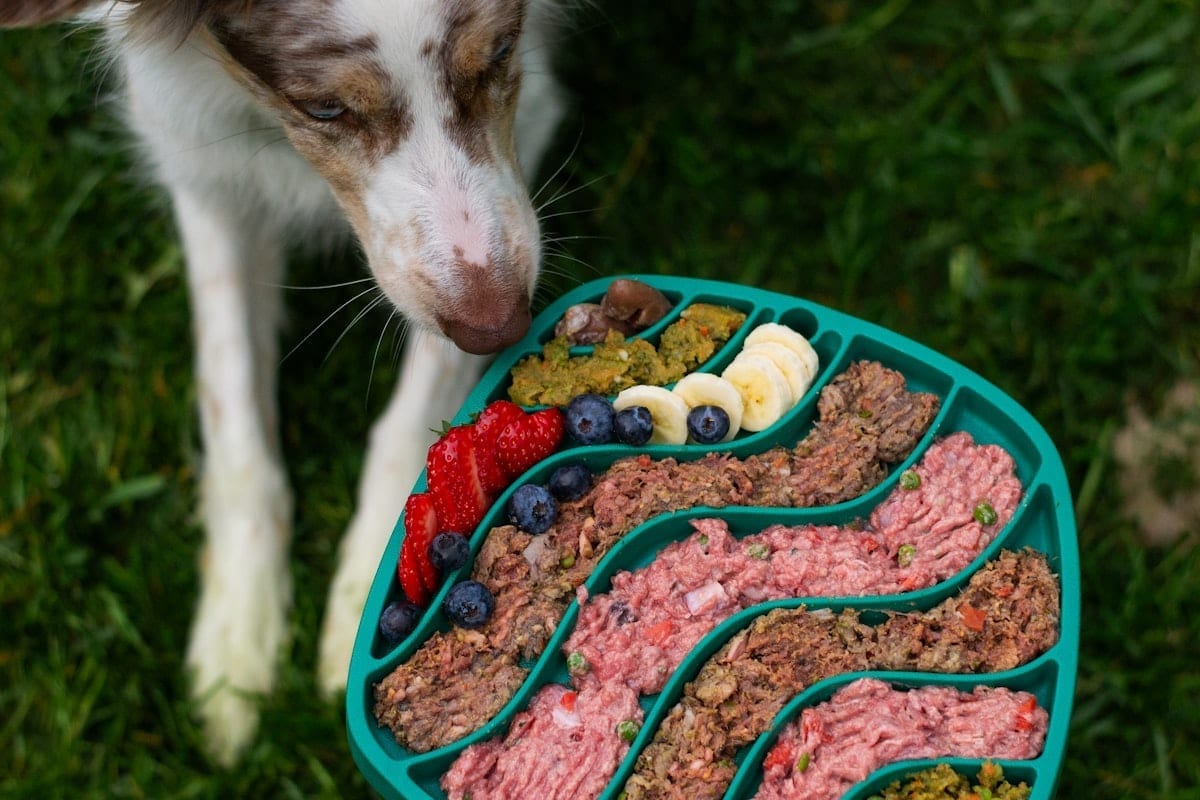
A dog about to eat from a colorful tray of food
Before you let the guest of honor near the spread, it's worth knowing what's safe. Photo: Ayla Verschueren / Unsplash.

Toxic, keep these away entirely

Chocolate

πŸ”΄ Toxic, keep it away entirely

Contains theobromine and caffeine (methylxanthines) that dogs and cats clear very slowly. Darker chocolate is far more dangerous.

Watch for: Vomiting, diarrhea, restlessness, racing or abnormal heart rhythm, tremors, seizures.

Treat as urgent. Use our chocolate toxicity calculator and call your vet or a poison line. Don't wait for symptoms.

Source

Xylitol (birch sugar)

πŸ”΄ Toxic, keep it away entirely

In dogs, this sugar substitute (in sugar-free gum, candy, peanut butter, and baked goods) triggers a dangerous insulin release and can cause liver failure.

Watch for: Vomiting, weakness, wobbliness, collapse, seizures, often within 15–30 minutes.

Emergency. Call your vet or a poison line immediately; even a small amount can be serious.

Source

Grapes & raisins

πŸ”΄ Toxic, keep it away entirely

Tartaric acid in grapes and raisins can cause sudden kidney failure in dogs. There is no known safe amount.

Watch for: Vomiting, lethargy, loss of appetite, reduced or no urination over 1–3 days.

Emergency. Call your vet or a poison line right away. Early treatment matters.

Source

Onion, garlic, chives & leeks

πŸ”΄ Toxic, keep it away entirely

Allium vegetables (raw, cooked, or powdered) damage red blood cells and can cause anemia. Cats are especially sensitive.

Watch for: Weakness, pale gums, lethargy, dark urine, often delayed several days after eating.

Call your vet or a poison line. Watch for delayed signs; powdered forms (in dips, gravies, baby food) count too.

Source

Macadamia nuts

πŸ”΄ Toxic, keep it away entirely

Macadamias cause a poorly understood toxic reaction in dogs, even in small amounts.

Watch for: Weakness (especially the back legs), wobbliness, tremors, vomiting, fever, usually within 12 hours.

Call your vet or a poison line. Signs usually pass in 24–72 hours but should be checked.

Source

Alcohol & raw yeast dough

πŸ”΄ Toxic, keep it away entirely

Alcohol depresses the nervous system; raw yeast dough keeps rising and ferments into alcohol inside the warm stomach, and can also bloat dangerously.

Watch for: Incoordination, drowsiness, low body temperature, a swollen painful belly, vomiting, in severe cases coma.

Emergency. Call your vet or a poison line immediately.

Source

Coffee, tea & caffeine

πŸ”΄ Toxic, keep it away entirely

Caffeine is a methylxanthine like the theobromine in chocolate, and pets are far more sensitive to it than people.

Watch for: Hyperactivity, restlessness, racing heart, tremors, seizures.

Call your vet or a poison line. Coffee grounds and tea bags are especially concentrated.

Source

Risky, best avoided

Fatty & fried foods

🟑 Risky, best avoided

A sudden load of rich, fatty food (table scraps, bacon, drippings, skin) can trigger pancreatitis, which can be serious.

Watch for: Vomiting, diarrhea, a hunched or painful belly, lethargy, loss of appetite.

Skip the fatty scraps. If your pet seems unwell after a fatty meal, call your vet.

Source

Cooked bones

🟑 Risky, best avoided

Cooked bones splinter easily and can cause choking, mouth injuries, or a blocked or perforated gut.

Watch for: Gagging, retching, drooling, pawing at the mouth, straining, or a painful belly.

Don't give cooked bones. If your pet swallowed one and seems distressed, call your vet or ER.

Source

Salty snacks (chips, pretzels)

🟑 Risky, best avoided

Large amounts of salt can upset a pet's electrolyte balance and, in big doses, cause salt poisoning.

Watch for: Excessive thirst and urination, vomiting, diarrhea; tremors or seizures at high doses.

Keep salty party snacks out of reach. A stray chip is unlikely to harm; a whole bowl is a different story.

Source

Milk, cheese & ice cream

🟑 Risky, best avoided

Most adult pets don't make enough lactase to digest dairy well, so it often causes stomach upset. It's not toxic, just hard on the gut.

Watch for: Gas, loose stool, diarrhea, stomach discomfort.

Offer dairy sparingly if at all. A lick of plain yogurt is usually fine; a bowl of ice cream isn't.

Source

Almonds, pecans & walnuts

🟑 Risky, best avoided

These nuts are very high in fat (a pancreatitis risk) and are a choking hazard; moldy walnuts can also carry tremor-causing toxins.

Watch for: Vomiting, diarrhea, or (with moldy nuts) tremors.

Keep nut bowls off low tables. Macadamias are in the toxic list above; the rest are 'avoid.'

Source

Avocado / guacamole

🟑 Risky, best avoided

For dogs and cats the flesh is low-risk, but it's fatty, the large pit is a serious choking/obstruction hazard, and guacamole usually hides onion and garlic.

Watch for: Mild stomach upset; obstruction signs (vomiting, no stool) if the pit is swallowed.

Skip it at parties, especially guacamole. Never let a pet near the pit.

Source

Corn on the cob

🟑 Risky, best avoided

Plain kernels are fine, but the cob is a classic cause of intestinal blockage in dogs that swallow it.

Watch for: Vomiting, loss of appetite, no bowel movements, a painful belly.

Toss cobs where pets can't reach. If yours swallowed one, call your vet. Cobs often need removal.

Source

Raw or undercooked meat & eggs

🟑 Risky, best avoided

Raw meat and eggs can carry Salmonella or E. coli, and raw egg whites interfere with biotin absorption over time.

Watch for: Vomiting, diarrhea, lethargy; food-poisoning signs can also affect the household.

Serve meat fully cooked and unseasoned. Avoid raw eggs as a party 'treat.'

Source

Usually fine in small, plain amounts

Plain cooked chicken or turkey

🟒 Usually fine in small, plain amounts

Plain, cooked, boneless, skinless, unseasoned poultry is a lean protein most pets love and tolerate well.

Great party treat. No bones, no skin, no seasoning (and no onion/garlic gravy).

Source

Carrots

🟒 Usually fine in small, plain amounts

Raw or cooked carrots are low-calorie, crunchy, and a good substitute for richer treats.

Fine in moderation. Cut into bite-size pieces for small pets to avoid choking.

Source

Apple slices

🟒 Usually fine in small, plain amounts

Apple flesh is a sweet, fiber-rich treat. Just skip the core and seeds (the seeds contain a cyanide compound and the core is a choking hazard).

Serve seedless, cored slices in small amounts.

Source

Plain pumpkin

🟒 Usually fine in small, plain amounts

Plain canned pumpkin (not sweetened pie filling) is gentle on the stomach and a good source of fiber.

Use plain pumpkin only. Pie filling has sugar and spices. A spoonful is plenty.

Source

Watermelon

🟒 Usually fine in small, plain amounts

Seedless watermelon flesh is hydrating and low-calorie, a nice hot-weather party treat.

Remove seeds and rind; serve in small cubes.

Source

Blueberries

🟒 Usually fine in small, plain amounts

Blueberries are bite-size, antioxidant-rich, and easy to portion as a low-calorie treat.

A small handful is a perfect training-size party treat.

Source

"Not on the list" is not the same as "safe"

This checker covers the foods that come up most at parties. It isn't an exhaustive toxicology database. Pets can react to things people never think twice about, and the same food can be fine for one animal and a problem for another. If you can't find a food here, treat it as unknown and ask your vet or a poison-control line before sharing it.

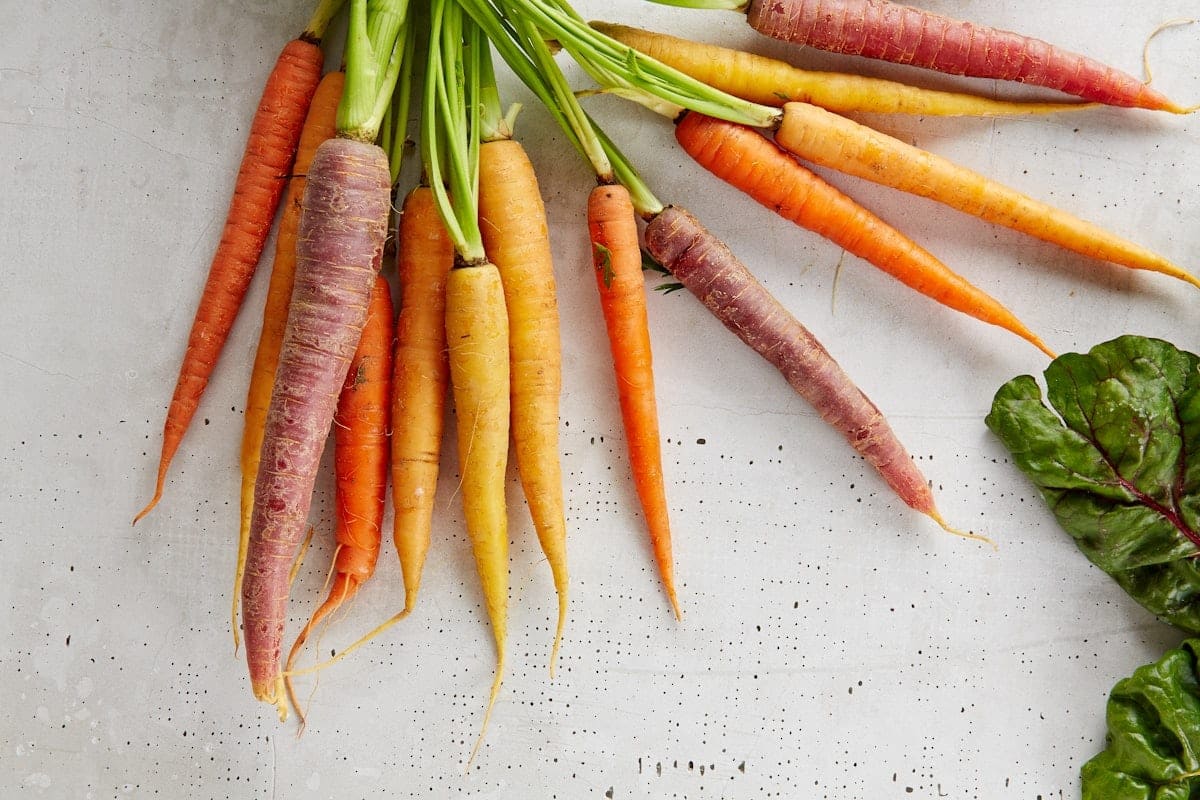
A bunch of fresh carrots, a pet-safe treat
The green-list foods (carrots, apple, plain cooked meat) make better party treats than anything off the human plate. Photo: Gabriel Gurrola / Unsplash.

If your pet already ate something risky

Don't wait for symptoms with anything on the red list. Note what they ate, how much, and when, then call your vet, the Pet Poison Helpline (855-764-7661), or the ASPCA Animal Poison Control Center (888-426-4435). For chocolate specifically, our chocolate toxicity calculator estimates how urgent it is by weight and cocoa type, and the treat calorie calculator keeps the safe treats in check.

An easy swap for table scraps: a bag of lower-calorie, pet-safe training treats on hand so guests have something safe to share. As an Amazon Associate we earn from qualifying purchases.

FAQ

What human foods are most toxic to dogs and cats?

The party foods most likely to land a pet at the vet are chocolate, xylitol (a sugar substitute in sugar-free gum, candy, and some peanut butters), grapes and raisins, onions and garlic, macadamia nuts, alcohol and raw yeast dough, and caffeine. These are toxic. There's no safe amount, and several can be life-threatening. If your pet got into any of them, call your vet or a poison line rather than waiting for symptoms.

My pet grabbed something off the table. Should I wait and see?

Not for the red-list foods. Several toxins (onion/garlic, grapes, some chocolate doses) cause damage hours to days before you'd see obvious symptoms, and early treatment is far more effective. Note what they ate, roughly how much, and when, then call your vet, the Pet Poison Helpline (855-764-7661), or the ASPCA Animal Poison Control Center (888-426-4435).

Are any 'people foods' actually okay as party treats?

Yes. Plain, unseasoned versions of certain foods make good treats: cooked boneless skinless chicken or turkey, carrots, seedless apple slices, plain canned pumpkin, seedless watermelon, and blueberries. Keep them small and occasional, and skip anything with butter, salt, onion, garlic, or sweeteners.

Is this list complete?

No. It covers the foods that come up most at parties, not every possible hazard. 'Not on this list' does not mean 'safe.' When you're unsure about a food or an ingredient, treat it as risky and check with your vet or a poison-control line before sharing it.

Sources

This checker is an educational guide, not veterinary advice. It is not exhaustive, and individual pets vary. When in doubt, contact your veterinarian or a poison-control line. Hazard information from ASPCA Animal Poison Control, the Merck Veterinary Manual, VCA, and Pet Poison Helpline; safe-food guidance from the American Kennel Club. Last verified 2026-06-24.