
What Can Veiled Chameleons Eat at a Birthday Party? The Insectivore and Plant Diet Guide
Veiled chameleon birthday food guide: gut-loaded crickets and silkworms as the feast centerpiece, the plant matter component unique to this chameleon species, the misting as the hydration celebration, and the no-list. VCA Hospitals and ReptiFiles verified.
As an Amazon Associate we earn from qualifying purchases.
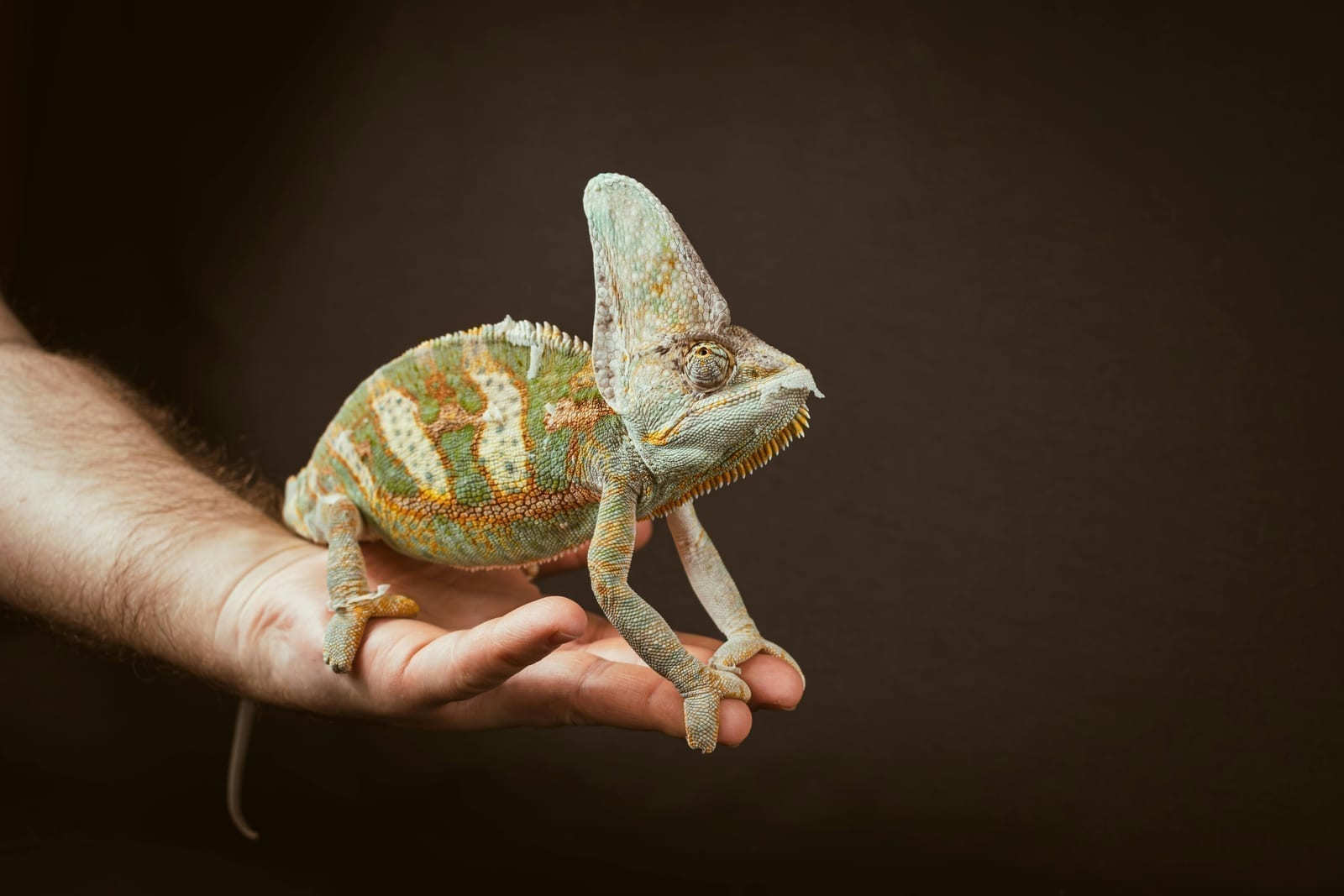
Veiled chameleons (Chamaeleo calyptratus) are primarily insectivores with a secondary plant-eating component that’s unusual among pet chameleon species. The birthday feast reflects both: a high-quality insect variety offering plus a hibiscus plant in the enclosure as the plant component birthday upgrade. An adult veiled chameleon typically eats 8 to 12 appropriately sized feeders per feeding, offered every other day, so a birthday spread of 10 to 15 insects in the morning is generous without tipping into overfeeding. Veiled chameleons also drink exclusively from water droplets on leaves, so the birthday misting session is the hydration celebration. Every component of the birthday is timed for when the chameleon is actually active, which for most individuals is morning.
What Veiled Chameleons Can Eat at a Birthday Party
Insects (primary birthday food):
Gut-loaded crickets. The most widely available and consistently accepted feeder for veiled chameleons. Gut-load 24 to 48 hours before the birthday. Calcium dust before offering. A slightly larger-than-usual cricket serving for the birthday feast.
Silkworms. The premium birthday treat for many veiled chameleons. High calcium, good protein, low fat, enthusiastically eaten by most chams. If you can source them for the birthday, silkworms are the best choice.
Dubia roaches. Accepted by many veiled chameleons. Better nutritional profile than crickets. If the cham takes dubias, include a few in the birthday variety spread.
Hornworms (one or two as the birthday treat). The movement engages the visual hunting response intensely and most veiled chameleons pursue them readily.
Waxworms (one, adult only). High fat, treat-level. One for the birthday only.
Chameleons hunt by sight, and movement is what triggers the strike. A cham that ignores a stationary insect isn’t necessarily full, it’s often just not registering the prey as prey. Feeding tongs solve this: pick up a frozen-and-thawed or pre-killed insect and move it in front of the chameleon from the side rather than straight at its face. That small bit of motion is usually enough to get the tongue firing even when live prey isn’t available.
The plant component:
Hibiscus plant (pothos, ficus alternatives). Veiled chameleons in the wild eat plant matter, and in captivity they’ll eat certain safe plant species available in their enclosure. Per VCA Hospitals and ReptiFiles, veiled chameleons eat leaves and flowers from plants in their enclosure. A fresh hibiscus plant added to the birthday enclosure, one that the cham can eat from, is a genuine dietary addition, not just decoration.
Safe plants for the birthday enclosure:
- Hibiscus (leaves and flowers)
- Pothos (the most common enclosure plant; safe for chameleons to eat)
- Schefflera (umbrella plant)
- Ficus (some varieties; remove the bird-repellent coating if purchased commercially)
Fruit is a minor, occasional addition at best. Veiled chameleons in the wild do eat some fruit, and small amounts of soft fruit (berries, a piece of melon) show up in the community as an occasional treat. It’s not an established dietary staple, and the plant component of the birthday feast is better served by hibiscus than by handing over fruit.
What Veiled Chameleons Cannot Eat
Fireflies. Lethal to chameleons as to all reptiles and amphibians.
Wild-caught insects. Pesticide risk.
Avocado. Toxic per ASPCA.
Onion, garlic. Toxic.
High-oxalate plants. Spinach, rhubarb. These are not enclosure-appropriate plants.
Any standing water. Veiled chameleons don’t drink from dishes, they drink from droplets. Standing water in the enclosure is both a hygiene problem and not used by the cham.
Any plant treated with pesticides. All enclosure plants must be pesticide-free. Commercial nursery plants may have been treated. Wash thoroughly or grow from seed.
The Birthday Misting Celebration
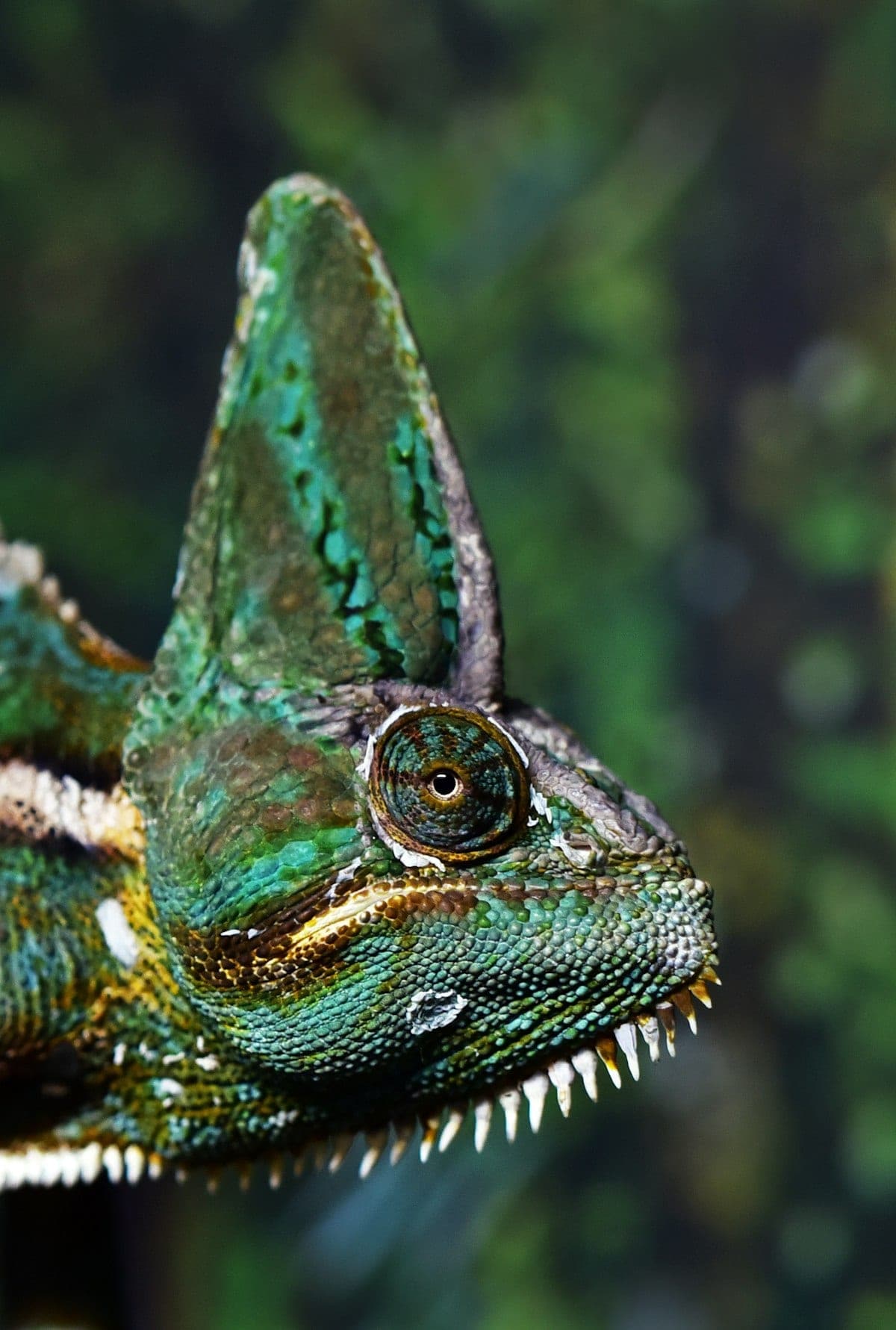
Veiled chameleons drink water only from droplets on leaves. The birthday hydration “treat” is an extended misting session: spray until the enclosure is thoroughly wet with visible droplets on all surfaces and glass, then allow to dry naturally before the next session. A birthday with an extra-thorough misting session is genuinely the best water-related gift you can give.
Most veiled chameleons drink actively during or after misting, watch for the throat pulsing motion and the tongue licking droplets off leaves. This behavior is the sign of adequate hydration.
Party Supplies
- Chameleon Misting Spray Bottle, for the extended birthday misting session that’s the real hydration celebration for a species that only drinks droplets.
- Reptile Calcium Powder Supplement with D3, for dusting crickets and silkworms before the birthday offering.
- Reptile Feeding Tongs, for animating prey from the side during the feast.
Sources
- VCA Hospitals: Veiled Chameleons
- ASPCA Animal Poison Control: People Foods to Avoid Feeding Your Pets
- ReptiFiles: Veiled Chameleon Care Guide
For the full birthday party guide: Veiled Chameleon Birthday Party Ideas
For the panther chameleon comparison: Panther Chameleon Birthday Party Ideas
- You
- Your pets
- Confirm