
What Can Sulcata Tortoises Eat at a Birthday Party? The Grazing Feast Guide
Sulcata tortoise birthday food guide: what Centrochelys sulcata can actually eat on a feast day, the high-protein warning that causes pyramiding, what makes a proper birthday grazing spread, and the complete no-list. Tortoise Trust verified.
As an Amazon Associate we earn from qualifying purchases.
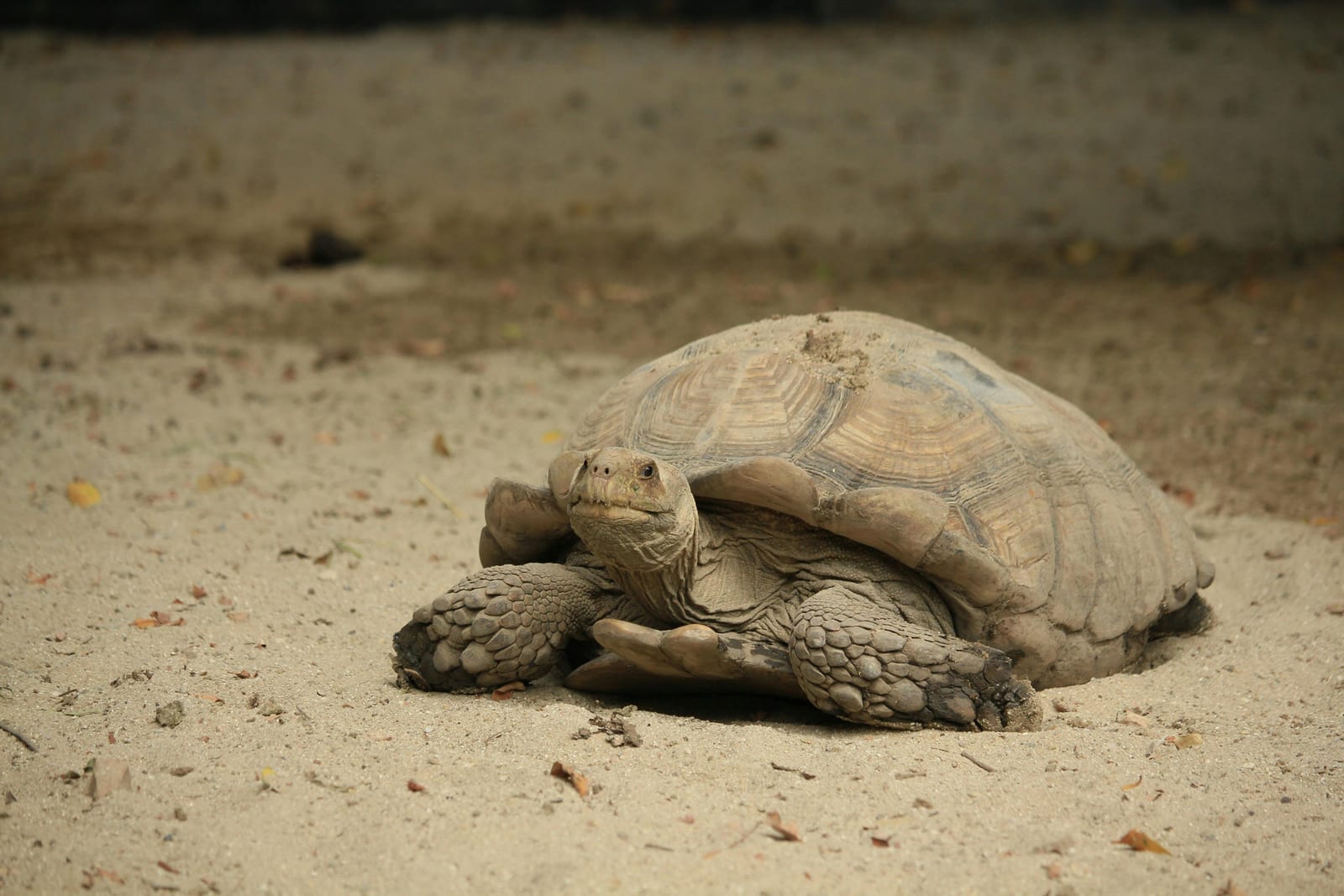
Sulcata tortoises (Centrochelys sulcata) eat grasses, weeds, and fibrous plant matter. That’s the natural diet and the birthday diet. The Tortoise Trust’s feeding guidance is explicit: high-protein foods, high-oxalate foods, and fruit in significant quantities cause shell pyramiding and long-term health damage in this species. The birthday “feast” for a sulcata is a morning of supervised grazing on appropriate weeds, a pile of dandelion greens and flowers, a hibiscus flower if available, and perhaps a piece of prickly pear cactus pad. That’s a proper sulcata birthday. Not fruit. Not high-protein cat food. Weeds.
What Sulcata Tortoises Can Eat at a Birthday Party
Grasses (the dietary staple, the birthday centerpiece):
- Timothy hay
- Orchard grass
- Fresh lawn grass (pesticide-free)
- Bermuda grass
The birthday grazing session on a pesticide-free lawn is the best birthday meal a sulcata can have. Let the tortoise forage naturally.
Pesticide-free isn’t a guess you get to make. If the lawn’s been treated with any herbicide, pesticide, or fertilizer, skip it for the grazing session and wait at least several weeks after treatment before trusting it again. Some keepers set aside a small dedicated patch that never gets chemicals, specifically for grazing days.
Safe weeds and plants:
- Dandelion (leaves, stems, flowers), the most community-recommended sulcata food
- Broadleaf plantain (Plantago major), the lawn weed, not banana plantain
- Clover (leaves and flowers)
- Chickweed
- Sow thistle
- Hibiscus leaves and flowers, a birthday treat that’s also a dramatic photo prop
Prickly pear cactus (Opuntia): Remove the thorns carefully. Opuntia pads are excellent sulcata food and most sulcatas eat them with enthusiasm.
Dark leafy greens (supplementary, not the primary food):
- Collard greens
- Mustard greens
- Dandelion greens (already in weeds above)
- Turnip greens
These are appropriate supplements when natural foraging isn’t available. They shouldn’t be the only food.
Birthday treat: a hibiscus flower. One hibiscus bloom placed in front of the tortoise is visually dramatic, safe, and enthusiastically eaten by most sulcatas. This is the closest thing to a “birthday treat” that’s appropriate for this species.
What Sulcata Tortoises Cannot Eat
High-protein foods. This is the most important dietary restriction for sulcatas. Cat food, dog food, meat protein, legumes, beans: all cause kidney damage and shell pyramiding over time. No exceptions for birthdays.
Fruit in significant quantities. Sulcatas are from dry African savannahs where fruit is rare. Their digestive systems aren’t designed for high-sugar foods. Small occasional amounts of watermelon or fig are sometimes offered in the community, usually just the rind rather than the sugary flesh, as a hot-weather hydration boost. Even then, the Tortoise Trust guidance is to keep fruit minimal or avoid it, and it’s not worth making a birthday tradition out of. The hibiscus flower covers the “treat” role better anyway.
High-oxalate foods. Spinach, beet greens, chard, rhubarb. These bind calcium and contribute to kidney stones. Avoid entirely.
Iceberg lettuce. Nutritionally empty.
Avocado. Toxic per ASPCA.
Fireflies. Lethal to reptiles. Contains bufadienolides.
Wild-caught insects. Pesticide risk. Also inappropriate for a species that is essentially a herbivore.
Processed food. No human food of any kind.
Dog or cat food. High protein content causes the health problems listed above.
Banana (large amounts). Too high in sugar and phosphorus for this species.
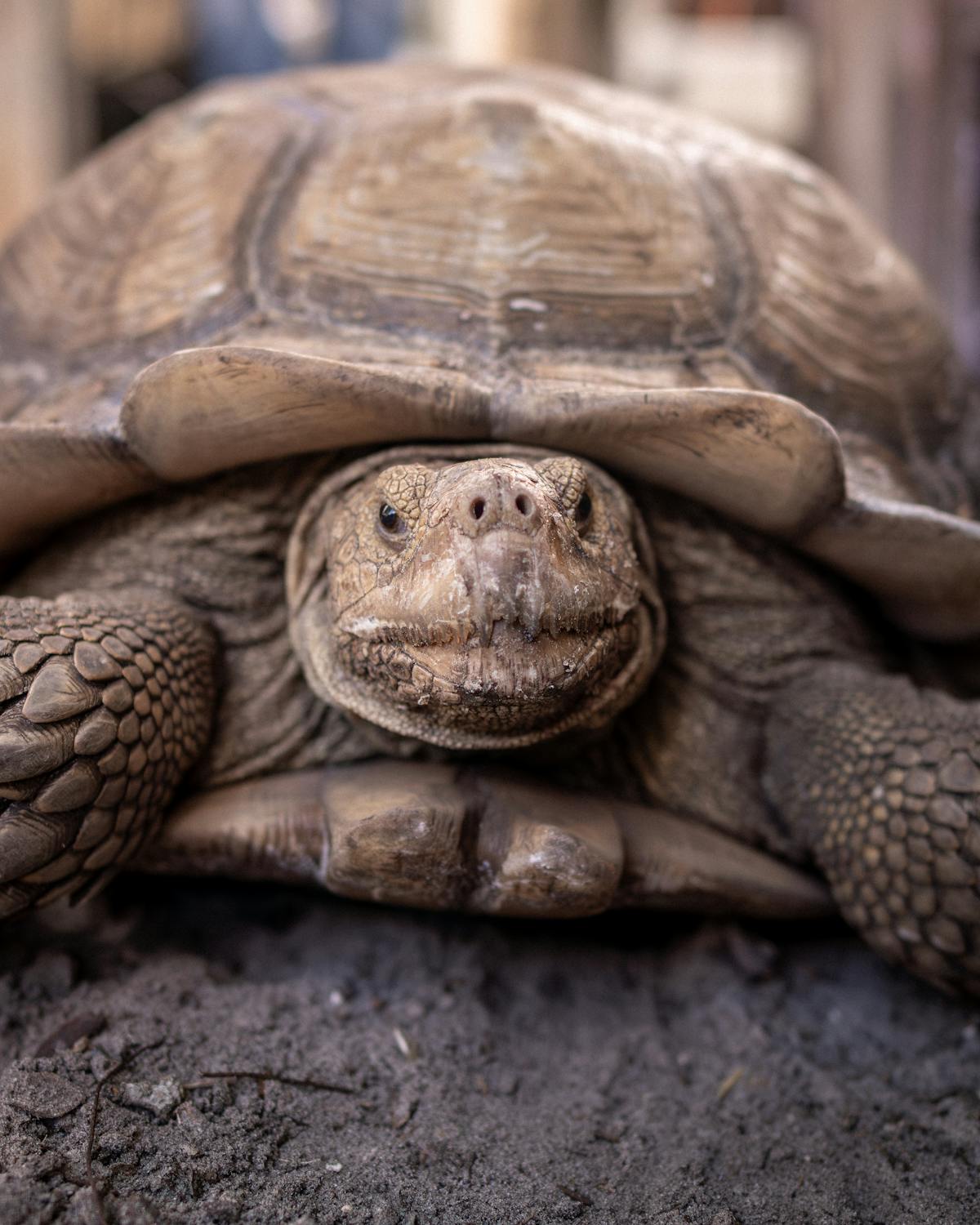
The Pyramiding Warning
Shell pyramiding in sulcata tortoises is caused primarily by diet. High-protein foods, high-sugar foods, and inadequate fiber are the drivers. The damage is permanent and visible: the scutes on the back rise into pyramid shapes rather than developing the smooth dome profile of a wild tortoise. A keeper who offers high-protein foods on the birthday, even occasionally, contributes to this process over time. The Tortoise Trust’s position is clear: the sulcata diet must be high-fiber and low-protein, without exceptions for celebration days.
Don’t borrow a Russian tortoise’s birthday spread just because the two species look similar in a pet-store aisle. Russian tortoises can handle a somewhat wider range, including the occasional small bite of fruit, without the same pyramiding risk. Sulcatas can’t. Keep a sulcata’s feast close to the weed-and-grass format above regardless of what worked for a friend’s Russian tortoise.
Party Supplies
- Timothy Hay for Tortoises, the dietary staple and birthday centerpiece named directly in the feeding guidance.
- Tortoise Calcium and Vitamin Supplement Powder, for dusting the grass-and-weed birthday grazing spread.
- Tortoise Feeding Dish, for presenting hay and weeds when grazing on a live lawn isn’t available.
Sources
- Tortoise Trust: Feeding Tortoises
- Tortoise Trust: Sulcata Care
- ASPCA Animal Poison Control: Animal Poison Control
For the full birthday party guide: Sulcata Tortoise Birthday Party Ideas
For the Russian tortoise food comparison: Russian Tortoise Birthday Party Ideas
- You
- Your pets
- Confirm