
What Can Koi Eat at a Birthday Party? The Pond Anniversary Feast Guide
Koi birthday food guide: premium pellets and fresh variety foods for the pond anniversary feast, temperature-based feeding rules that override any celebration, oranges as the community treat tradition, and the overfeeding warning. Aquarium Co-Op verified.
As an Amazon Associate we earn from qualifying purchases.
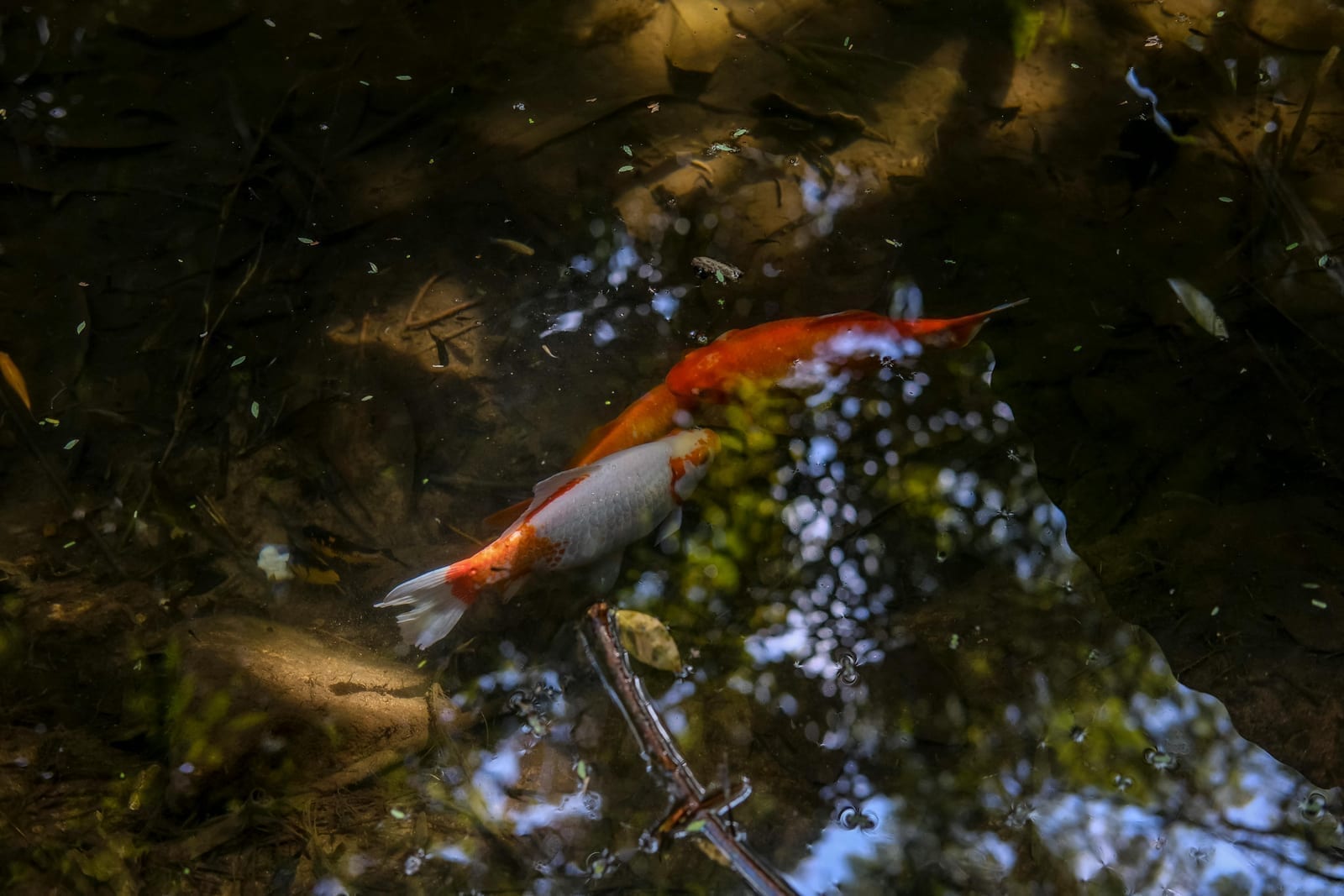
Koi can eat a meaningful variety of foods at a birthday pond party, from premium seasonal pellets to fresh vegetables, fruits, and the orange slices that have become the most recognizable treat in koi keeping. The temperature rule overrides everything: below 50°F, koi metabolism slows dramatically and feeding should be minimal or stopped entirely. Between 50 and 60°F, wheat germ-based food only. Above 60°F, full normal feeding and a birthday variety spread. Match the celebration to the water temperature, not the calendar.
The Temperature Rule Comes First
Koi are cold-blooded and their digestion is temperature-dependent. Feeding koi in cold water when they can’t properly digest leads to fermentation in the gut and serious health consequences. Per Aquarium Co-Op’s koi guidance:
- Below 50°F (10°C): Stop feeding entirely. The pond anniversary in winter means the celebration is the keeper marking the date; the fish don’t participate via food.
- 50 to 60°F (10 to 15°C): Wheat germ-based pellets only, in small amounts. These are more digestible at low temperatures.
- Above 60°F (15°C): Normal feeding and the full birthday variety spread.
What Koi Can Eat at a Birthday Party
Premium seasonal koi pellets. The dietary base. The birthday upgrade is using a high-quality formulation appropriate for the current season: high-protein formula in warm months for growth and immune function, wheat germ formula as temperatures cool.
Oranges (sliced or peeled segments). The koi community’s most famous treat. Most koi investigate and eat orange slices enthusiastically. Place slices floating at the surface and watch the pond come alive. This is the most recognizable koi birthday tradition and makes excellent video content. A few slices are enough for a small pond, 5 to 10 pieces for a larger one, spread across the surface. Give the koi about 10 minutes with them, then skim off whatever’s left. It’s a treat, not a staple.
Watermelon pieces. Another consistent pond keeper favorite. Koi eat watermelon flesh readily. Remove any rind pieces that aren’t consumed within a few hours to avoid decomposing plant matter in the pond.
Lettuce and other leafy greens. Romaine, spinach, or other greens clipped to the pond edge or floated at the surface. Koi eat these methodically. Remove uneaten greens within a day.
Peas (shelled). Defrosted frozen peas with the shells removed. The same digestive benefit for pond fish as for goldfish. Most koi eat them readily.
Grapes (seedless, cut in half). A less common but accepted koi treat. Most koi investigate and eat them. Sink or float them depending on the individual pond and fish behavior.
Cooked rice or pasta (plain, no salt). Some koi communities offer small amounts. Not a nutritional staple, but accepted as a novelty treat.
Bread (sparingly, with caveats). The koi community is divided on bread: it’s accepted and causes no immediate harm in very small amounts for healthy fish in a properly filtered, cycled pond. It’s nutritionally poor and adds organic load. If you use it at all, it’s a single small piece as a birthday novelty, not a feeding. Many experienced keepers skip it entirely.
Koi and goldfish share close to the same digestive setup, so koi pellets and goldfish pellets work as stand-ins for each other in a pinch. The main difference at a shared pond party is portion size: koi are bigger and can handle bigger pieces. The orange-slice tradition is much more a koi thing than a goldfish thing, though a goldfish will investigate a piece if it’s offered.
What Koi Cannot Eat
Anything toxic to fish. Per ASPCA: no medications, no chemicals, no artificially colored food that contains ingredients harmful to aquatic species.
Large amounts of any food. The overfeeding rule is strict for koi. Uneaten food in a pond fouls water and can trigger algae blooms and oxygen depletion. Feed what the koi consume in 5 minutes and remove any uneaten portion.
Wild insects or bugs from the yard. Pesticide risk.
Processed human food with salt or artificial additives. No chips, crackers, or seasoned food.
Any food when water temperature is below 50°F. The temperature rule overrides birthday considerations entirely.
Aquarium Fish Birthday Supplies
Birthday enrichment for community tanks and goldfish:
- Frozen Bloodworms for Tropical Fish, the classic live-food birthday treat.
- Birthday-Safe Aquarium Decoration, themed decoration that won’t leach chemicals.
Sources
- Aquarium Co-Op: Koi Care Guide
- ASPCA Animal Poison Control Center: Animal Poison Control
For the full pond anniversary guide: Koi Birthday Party Ideas
For the goldfish tankiversary food comparison: What Can Goldfish Eat at a Party?
- You
- Your pets
- Confirm