
What Can Hognose Snakes Eat at a Birthday Party? The Frozen-Thawed Guide
Hognose snake birthday food guide: why the birthday feast is frozen-thawed prey and nothing else, scenting techniques for reluctant feeders, the rear-fanged disclosure, and timing rules that apply on every feeding day. VCA Hospitals verified.
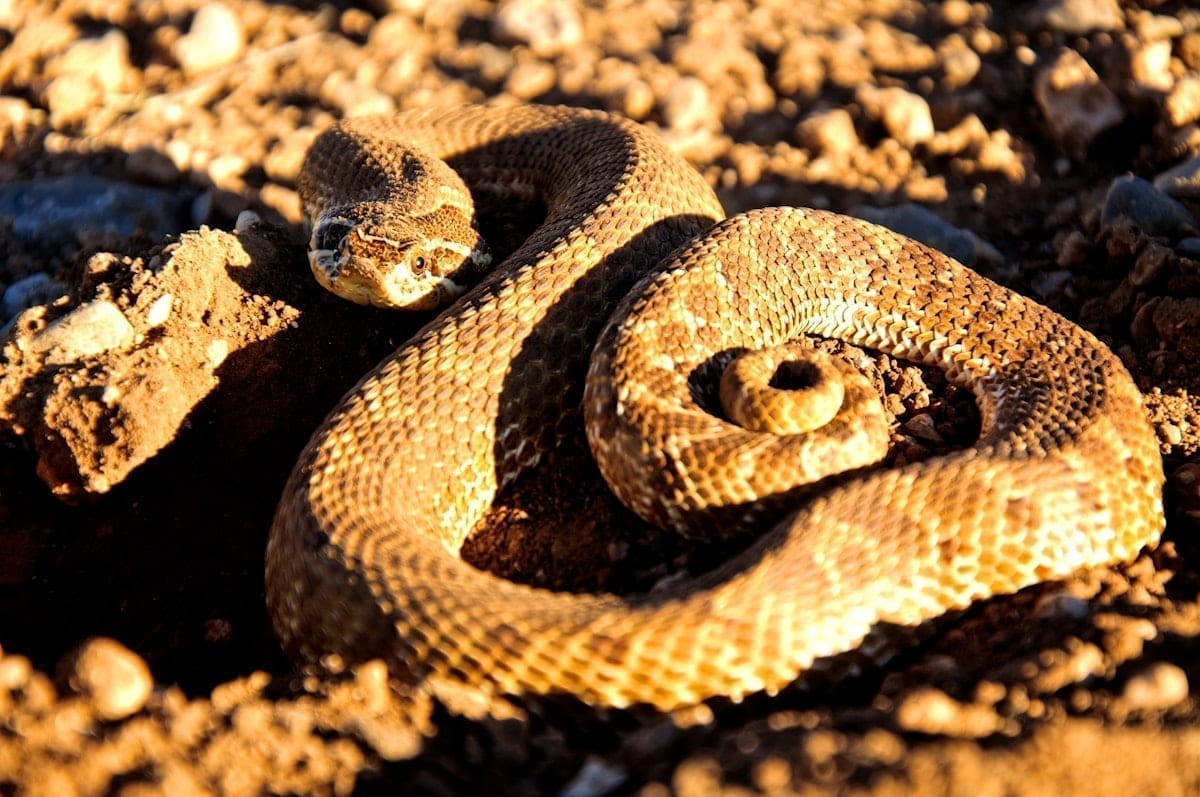
Hognose snakes eat mice. Hatchlings eat pinky mice. Juveniles eat fuzzies and hoppies. Adults eat adult mice, occasionally small rats. The birthday feast is a properly warmed frozen-thawed prey item offered when the snake is on schedule and in feeding condition. There’s no special birthday food, no treat category, no upgrade menu. The birthday upgrade is: better execution of the standard feeding. A well-warmed prey item, offered correctly, with the right ambient temperature in the enclosure. That’s the birthday.
What Hognose Snakes Can Eat at a Birthday Party
Frozen-thawed mice, warmed to approximately 100°F. The only food. Defrost overnight in the refrigerator, warm in a zip-lock bag submerged in warm water or with a heat lamp. Verify the surface temperature with an infrared thermometer. A properly warmed prey item gives off the heat signature that triggers the feeding response.
Appropriate size. Diameter approximately matching the snake’s widest point. Don’t upsize for the birthday.
Pre-killed fresh prey (alternative). Some keepers prefer fresh pre-killed prey over frozen-thawed. Either is appropriate.
The Scenting Note for Reluctant Feeders
Western hognose snakes in the wild eat primarily toads, and some captive hognoses, particularly those that weren’t conditioned to mice as juveniles, may require scented prey to trigger feeding.
Toad or frog scenting. Rubbing the prey item on a frozen toad or frog (available from reptile suppliers) transfers the scent and often resolves feeding refusals in hognoses.
Fish (tilapia) scenting. Some keepers use fish water or a piece of fish rubbed on the prey item. This works for some individuals.
Braining the prey. Exposing brain tissue on the prey item (a technique called “braining”) provides strong scent that stimulates the feeding response in reluctant eaters.
If the snake has been taking unscented mice reliably, none of these are needed for the birthday. They’re tools for fixing refusal, not standard practice.
What Hognose Snakes Cannot Eat
Live prey. Not appropriate for any captive snake. A live mouse or rat can injure the snake if not immediately struck. Pre-killed or frozen-thawed only.
Wild-caught toads or frogs. These carry parasites and their bufotoxin can be harmful in some species. Don’t offer wild-caught amphibians as prey.
Wild-caught insects. Hognoses eat insects occasionally in the wild but captive hognoses are fed mice. Wild insects carry pesticide risk.
Oversized prey. Diameter should match the snake’s widest point. Oversized prey causes regurgitation risk and potential physical injury.
Anything that isn’t a mouse. No vegetables, no fruit, no eggs, no human food.
The Rear-Fanged Disclosure
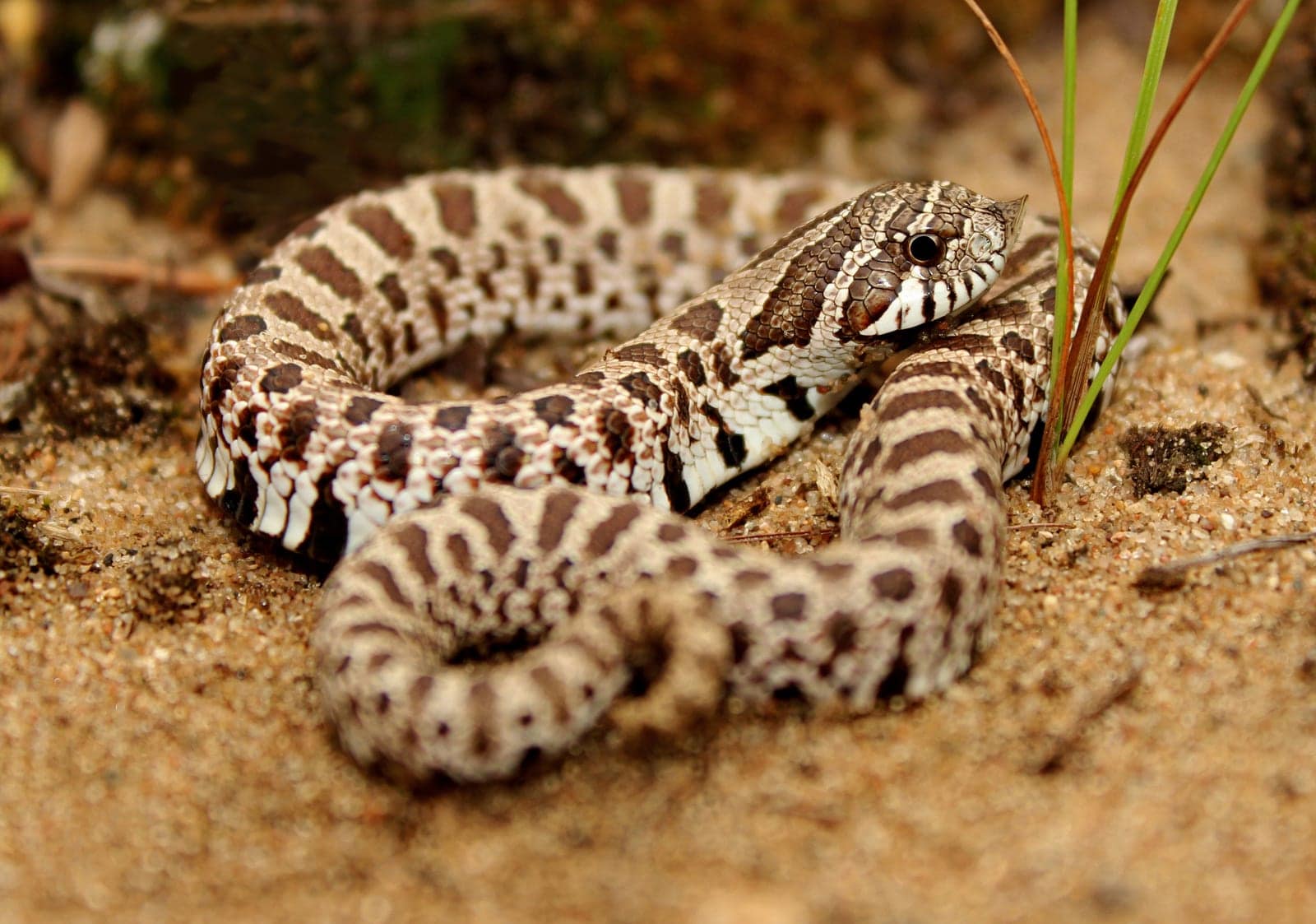
Western hognose snakes are rear-fanged. They possess enlarged teeth in the rear of the jaw connected to Duvernoy’s gland that produces a mild venom used in the wild primarily to subdue toads. Bites from captive hognoses to humans are uncommon and typically produce mild localized swelling and itching rather than serious symptoms. However, some individuals have documented more significant reactions.
This disclosure isn’t directly related to what hognoses eat. It’s relevant context for anyone handling the snake around feeding time when bite risk is slightly elevated.
Birthday Timing Rules
Wait 48 to 72 hours after the birthday feeding before handling. Handling a recently fed hognose can cause regurgitation, which is stressful and potentially harmful if repeated.
Plan the photo session before the feast. The birthday handling and morph photo session should happen before feeding, not after.
If the snake is in shed, skip the feast. Hognoses in shed have reduced visibility and often refuse prey. Wait for the shed to complete.
FAQ
My hognose snake refuses food most of the time. Is there a special birthday approach?
The birthday doesn’t fix a chronic feeding problem. The most common causes of hognose feeding refusal are: inadequate temperatures (check warm side first), prey not warmed to the correct temperature, prey scent mismatch (if the snake wants toad scent), and general snake mood variation. Try scenting if unscented prey hasn’t worked. Consult a reptile vet if the refusal extends beyond 6 to 8 weeks with no obvious cause.
Can I give my hognose a bigger prey item on the birthday?
No. The appropriate prey size is based on the snake’s girth, not the occasion. A larger prey item causes regurgitation risk and stress, not birthday celebration.
Snake Birthday Supplies
Snake birthdays: enrichment and enclosure upgrades are the practical gifts:
- REPTIZOO Reptile Hide Multi-Level Hideout, hook-mounted hide that also works as a climbing ledge.
- Reptile Hide with Coconut Moss, humid hide option for snakes that need a moisture gradient.
- Cork Bark for Snake Enclosure, natural cork bark as birthday enclosure enrichment.
Sources
- ReptiFiles: Hognose Snake Care Guide
- VCA Hospitals: Hognose Snakes as Pets
- ASPCA Animal Poison Control: Animal Poison Control
For the full birthday party guide: Hognose Snake Birthday Party Ideas
For the corn snake food comparison: What Can Corn Snakes Eat at a Party?
- You
- Your pets
- Confirm