
What Can Eclectus Parrots Eat at a Birthday Party? The Fresh-Food Diet Explained
Eclectus parrot birthday food guide: why eclectus birds need more fresh food and fewer pellets than other parrots, which foods trigger toe-tapping and feather-destructive behavior, and the birthday feast format that actually works. VCA Hospitals verified.
As an Amazon Associate we earn from qualifying purchases.
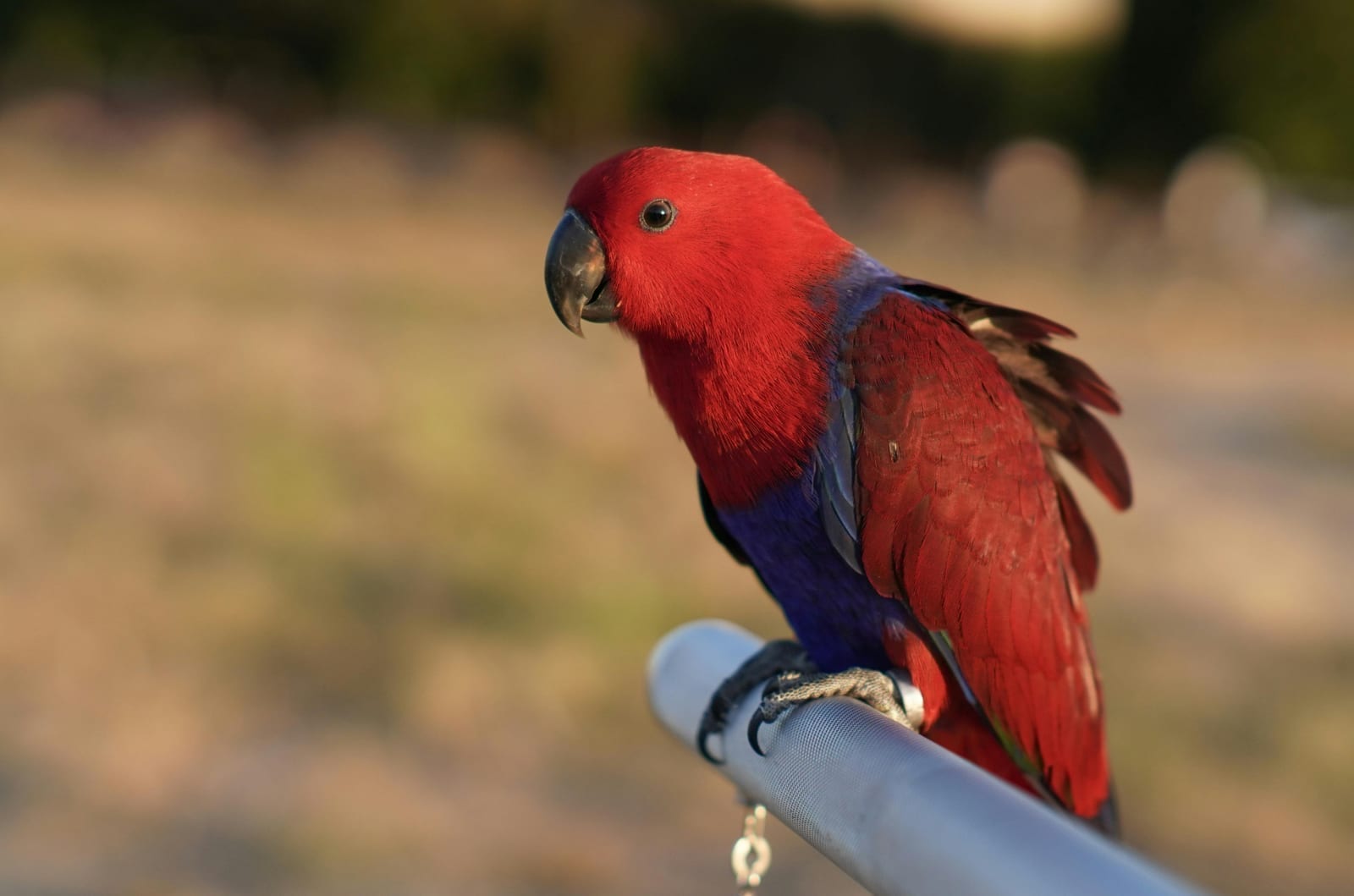
Eclectus parrots need a diet that’s significantly more fresh-food-forward than most other parrots, and the birthday feast reflects this. Their digestive tract is unusually long, which makes them more sensitive to artificial colorings, preservatives, and vitamin oversupplementation than species with shorter gut transit times. The feeding rule that matters most for eclectus birds: high-quality fresh vegetables and fruits as the majority of the diet, with pellets in a limited role rather than the dominant role. Get this wrong and the symptoms are visible: toe-tapping (a rhythmic foot movement), wing flipping, and feather-destructive behavior. Get it right and you have one of the most visually striking and genuinely engaging parrots in captivity.
Teflon Fumes Kill Eclectus Parrots Too
Before food: non-stick cookware fumes kill birds. All birthday food must be prepared in stainless steel, cast iron, or ceramic. This is as true for eclectus as for every other parrot.
The Eclectus Fresh Food Priority
Per VCA Hospitals’ eclectus care guidance, the eclectus diet should be primarily fresh food: approximately 80% fresh fruits, vegetables, and cooked grains, with 20% or less from pellets. This is inverted from the typical parrot recommendation where pellets dominate. Within that 80%, fruit can run higher than you’d offer most other parrots: 30 to 40% of the birthday meal is reasonable for an eclectus. Vegetables still lead. Fruit is the treat layer, not the base.
The reason for the fresh-food split: pellets that are high in artificial vitamins and colorings can cause hypervitaminosis and the behavioral symptoms mentioned above in eclectus birds specifically. If pellets are used, they should be a natural, unflavored, uncolored formulation. Harrison’s Organic and Roudybush are commonly recommended. Colored pellets with artificial dyes are specifically flagged by the eclectus community as problematic. If your bird is already showing toe-tapping or wing flipping, start there: strip out colored pellets, artificial vitamins, and any processed treats with additives, then bring in an avian vet who actually has eclectus experience. General avian medicine doesn’t always catch how this species presents.
What Eclectus Parrots Can Eat at a Birthday Party
If other parrots at the party are eating a fresh vegetable-and-fruit chop with no colored pellets or additives, the eclectus can share the same plate. If the other birds are still on standard dyed pellet mixes, keep the eclectus plate separate.
Vegetables (the main birthday chop component):
- Dark leafy greens: collard, kale, Swiss chard, arugula, dandelion greens
- Bell pepper (all colors)
- Sweet potato (cooked or raw)
- Corn (fresh or frozen, thawed)
- Carrot
- Green beans
- Peas (fresh or frozen)
- Broccoli, cauliflower, Brussels sprouts
- Zucchini, squash
Fruits (prominent birthday component for eclectus):
- Pomegranate seeds
- Mango
- Papaya (excellent for eclectus, very well accepted)
- Berries: blueberry, raspberry, strawberry
- Fig (fresh or dried, unsulfured)
- Apple (seeds removed)
- Pear (seeds removed)
- Melon
- Guava
- Passion fruit
Cooked grains and legumes:
- Brown rice
- Quinoa
- Cooked lentils, chickpeas, black beans (fully cooked)
- Cooked corn kernels
- Cooked pasta (plain, small amount)
What does NOT go in the eclectus birthday feast:
- Pellets with artificial colors or flavors
- Anything with added vitamin A (hypervitaminosis A is documented in eclectus fed supplement-heavy diets)
- Standard “parrot treat mixes” with dyes
What Eclectus Parrots Cannot Eat
Avocado. Persin toxicity. Lethal.
Chocolate and caffeine. Toxic to birds.
Onion and garlic. Hemolytic anemia.
Apple, cherry, peach seeds and pits. Cyanogenic compounds.
Alcohol. Toxic.
Xylitol. Toxic.
Artificially colored and preserved foods. This is specifically important for eclectus due to their long digestive tract and sensitivity to synthetic additives.
Raw or undercooked legumes. Hemagglutinin. Fully cook all beans and lentils.
Mushrooms. Skip.
Salty processed food. No crackers, chips, or human snack food.
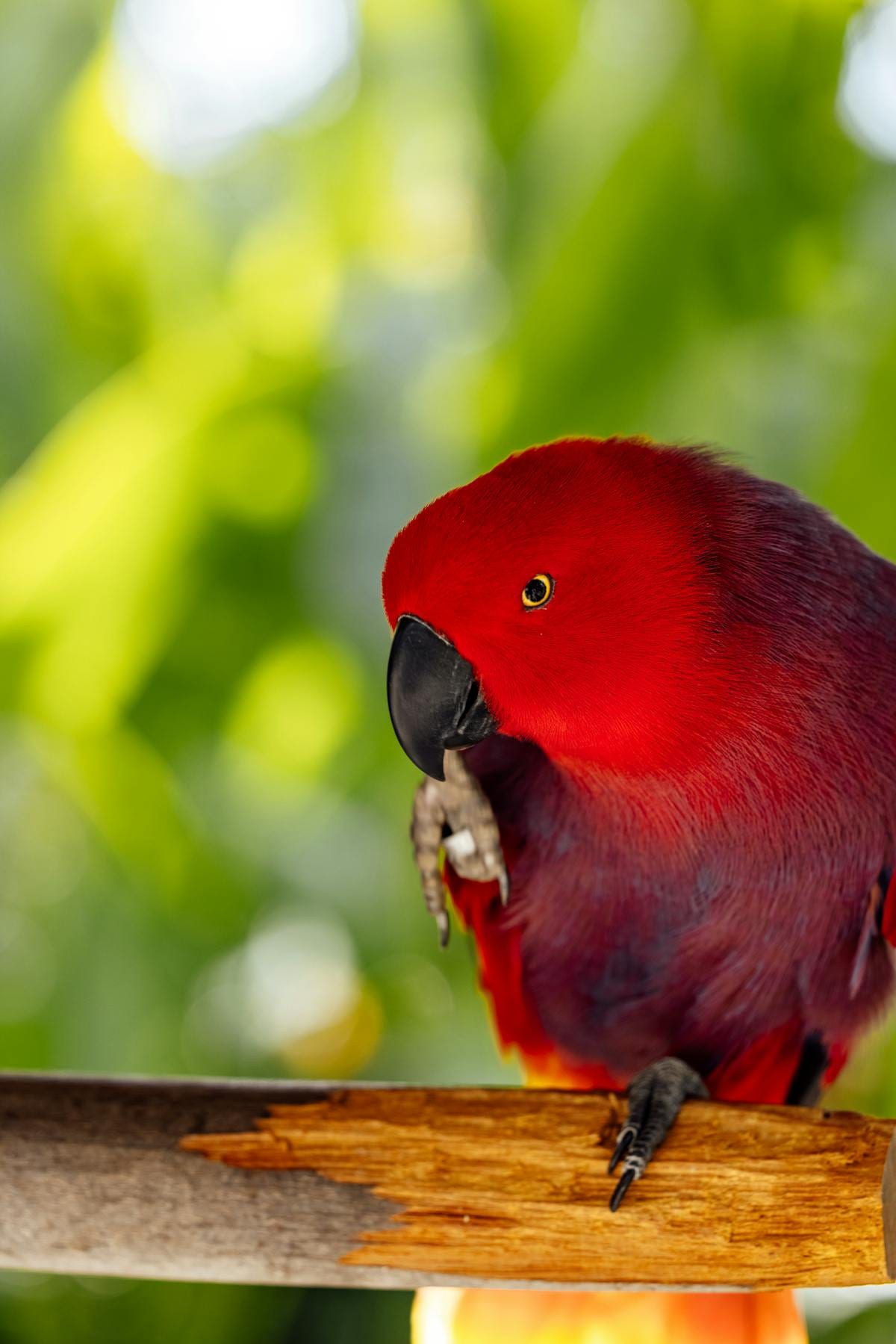
Parrot Birthday Supplies
Parrot birthdays are about foraging enrichment and treat variety:
- Litewoo Bird Foraging Feeder (Stainless Steel), fruit, vegetable, and seed holder. Works for African greys, macaws, conures, and similar birds.
- CIEZZU Bird Foraging and Chewing Toy Set, multiple foraging elements for medium and large parrots.
- Bird Spinner & Foraging Basket Set, mental enrichment basket plus spinning rattle toy.
Sources
- VCA Hospitals: Eclectus Parrots
- ASPCA Animal Poison Control: People Foods to Avoid Feeding Your Pets
For the full birthday celebration: Eclectus Parrot Birthday Party Ideas
For the African grey food comparison: What Can African Greys Eat at a Party?
- You
- Your pets
- Confirm