
What Axolotls Can Eat at a Birthday Party: The Complete Safe Foods List
Complete verified list of safe and unsafe foods for axolotl birthday parties. What axolotls actually eat as treats, what constitutes a birthday feast for an obligate aquatic carnivore, and what to never put in the tank.
As an Amazon Associate we earn from qualifying purchases.
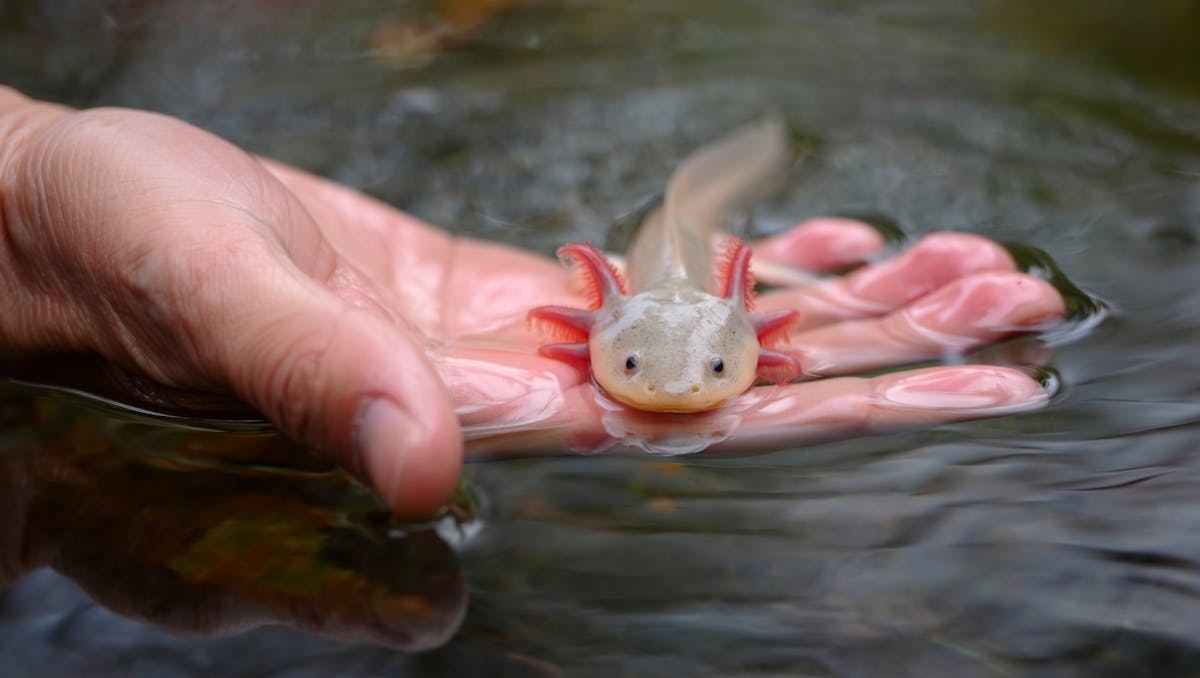
Axolotls are obligate aquatic carnivores. They do not eat plant material. They do not eat fruit. They do not eat anything that doesn’t originate from animal protein. A birthday feast for an axolotl is a variety protein feeding, live or frozen, sized appropriately for the individual axolotl.
This is simpler than most pet feeding guides because the “safe foods” category is just: appropriate animal protein.
The Safe Foods List
Per Caudata.org axolotl care resources:
Excellent birthday foods (in order of nutritional quality):
- Live earthworms (nightcrawlers, red wigglers), the gold standard axolotl food; live worms trigger the natural hunting response most strongly
- Frozen bloodworms (Chironomus larvae), a high-quality birthday treat; most axolotls respond with visible excitement
- Frozen brine shrimp, a good treat food, lower caloric density than worms
- Frozen daphnia, appropriate for juveniles as a birthday supplement
- Raw shrimp pieces (no shells, no seasoning, no salt), a valid protein treat for adult axolotls
- Axolotl-specific pellets (NLS, Rangen catfish pellets), the reliable everyday food, a quality pellet on the birthday
Foods that are sometimes used:
- Salmon pieces (raw, unseasoned, small), some axolotl keepers use this as an occasional treat
- Other feeder worms from clean sources
What Never Goes in the Tank
Plant matter: Axolotls cannot digest vegetable matter. Fruit, vegetables, leafy greens, none of these belong in an axolotl tank regardless of occasion.
Processed human food: Nothing seasoned, salted, smoked, or preserved. Axolotls absorb through their skin; the water quality in the tank matters as much as the food quality.
Feeder fish: Feeder goldfish and feeder fish in general are associated with protozoan parasites that are common in goldfish but harmful to axolotls. The hobby community widely recommends against feeder fish for axolotls.
Wild-caught invertebrates: Parasite and pesticide risk. All live food should come from clean captive-bred sources.
The Birthday Feast Approach
A “birthday feast” for an axolotl is the same feeding, better quality. If the usual food is pellets, the birthday is live earthworms. If the usual is frozen bloodworms, the birthday is live bloodworms from a clean source or a variety feeding (bloodworms plus a worm plus brine shrimp).
The goal is sensory variety, different movement patterns, different sizes, different textures, that engages the axolotl’s hunting behavior more fully than routine feeding.
Water temperature stays constant: The birthday does not change the water parameters. Axolotls require 60–68°F water; above 72°F is stressful. The birthday feast is the only change.
For the full birthday party guide, see axolotl birthday party ideas.
Axolotl Birthday Supplies
Axolotl birthdays: new hides, substrate improvements, live foods:
- Aquarium Cave Hide for Axolotls, new hide as the birthday enclosure upgrade.
- Pool Filter Sand Aquarium Substrate, substrate upgrade for axolotl tanks.
- Live Red Wiggler Worms for Axolotls, fresh worms as the birthday treat.
Sources
- Caudata.org, Axolotl, caudata.org/axolotls
- ASPCA, aspca.org/pet-care/small-pet-care/reptile-care
- You
- Your pets
- Confirm