
What Can Ackie Monitors Eat at a Birthday Party? The Dwarf Monitor Feast Guide
Ackie monitor birthday food guide: the insect-forward diet that mirrors wild Varanus acanthurus feeding, high-temperature requirement before the feast, safe protein additions, and the rodent-frequency warning that applies to this species. ReptiFiles verified.
As an Amazon Associate we earn from qualifying purchases.
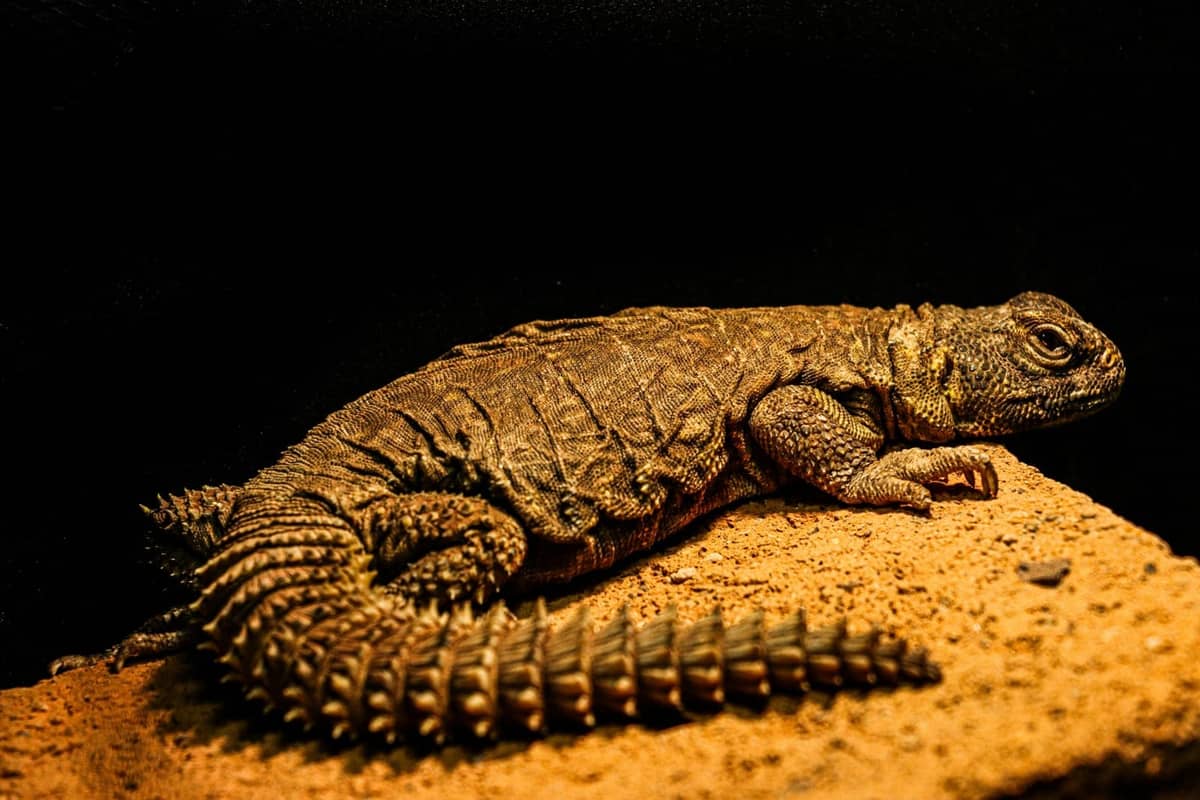
Ackie monitors (Varanus acanthurus) eat primarily invertebrate prey in the wild: insects, spiders, scorpions, and small lizards. In captivity, the correct birthday feast is insect-forward with occasional whole eggs as the birthday treat highlight. ReptiFiles’ ackie monitor care guide is the current community reference, and it’s clear: the high-rodent diets that were once common for Varanus species cause fatty liver disease in ackies specifically. Insects first. Eggs as the birthday special. Rodents as a rare supplement for large adults only.
High Temperature Before the Feast
Ackie monitors require surface temperatures of 120 to 150°F at the basking spot, significantly higher than most keepers expect. This isn’t a typo. ReptiFiles documents this extensively and it’s confirmed by the keeper community. At proper basking temperatures, ackies are active hunters with strong metabolism. At inadequate temperatures, they struggle to digest and don’t display natural behavior.
Verify the basking spot temperature with a temperature gun before the birthday feast. The feast happens only in-temperature.
What Ackie Monitors Can Eat at a Birthday Party
Dubia roaches (primary birthday food). The best feeder for ackie monitors. Good protein, no escape, no smell. A generous birthday portion of gut-loaded, calcium-dusted dubias is the feast centerpiece.
Crickets (gut-loaded and dusted). Active movement triggers strong prey drive. Included as variety alongside the dubia main course.
Hornworms (birthday treat). Soft-bodied, high calcium, dramatic movement. One or two hornworms on the birthday create the best ackie feeding display available.
Superworms. Higher fat, treat-level for the birthday spread.
Whole quail eggs. The community’s most-used special occasion food for ackie monitors. Most eat them readily and they’re nutritionally excellent. A quail egg on the birthday is the premium protein treat.
Silkworms. High calcium, good protein. An excellent birthday variety addition if the keeper can source them.
Waxworms (one or two, treat only). Birthday treat. High fat, consumed enthusiastically.
Black soldier fly larvae (NutriGrubs). High calcium, slow-moving. A cup alongside the dubia main course rounds out the birthday spread.
A rough quantity guide: an adult ackie can handle 15 to 25 appropriately sized feeders across a feast afternoon, split into several sessions rather than one big pile. A generous but sensible birthday spread lands around 10 to 15 dubias, a hornworm, and a quail egg, offered gradually while the lizard is at proper basking temperature.
What Ackie Monitors Cannot Eat
Rodents as the primary diet. Fatty liver disease. Occasional rare treat for large adults only, not a birthday upgrade.
Avocado. Toxic to most reptiles per ASPCA.
Fireflies. Lethal.
Wild-caught insects. Pesticide risk.
Plant material. Ackie monitors are carnivores.
Processed food. No human food with salt or artificial additives.
Party Supplies
- Infrared Temperature Gun, for verifying the 120 to 150°F basking spot before the feast.
- Reptile Calcium Supplement, for dusting the dubia roaches and crickets.
- Reptile Basking Heat Bulb, for reaching the high surface temperatures ackies require.
Sources
- ReptiFiles: Ackie Monitor Care Guide
- ASPCA Animal Poison Control: People Foods to Avoid Feeding Your Pets
For the full birthday party guide: Ackie Monitor Birthday Party Ideas
For the savannah monitor food comparison: What Can Savannah Monitors Eat at a Party?
- You
- Your pets
- Confirm