
Sugar Glider Birthday Party Ideas: A Bonding Pouch Celebration for a Very Specific Animal
How to throw a sugar glider birthday party: the diet complexity nobody tells you about before you get one, safe treats per VCA guidelines, the pairing requirement, nocturnal timing, and what crabbing means if the birthday goes wrong. VCA-verified.
As an Amazon Associate we earn from qualifying purchases.
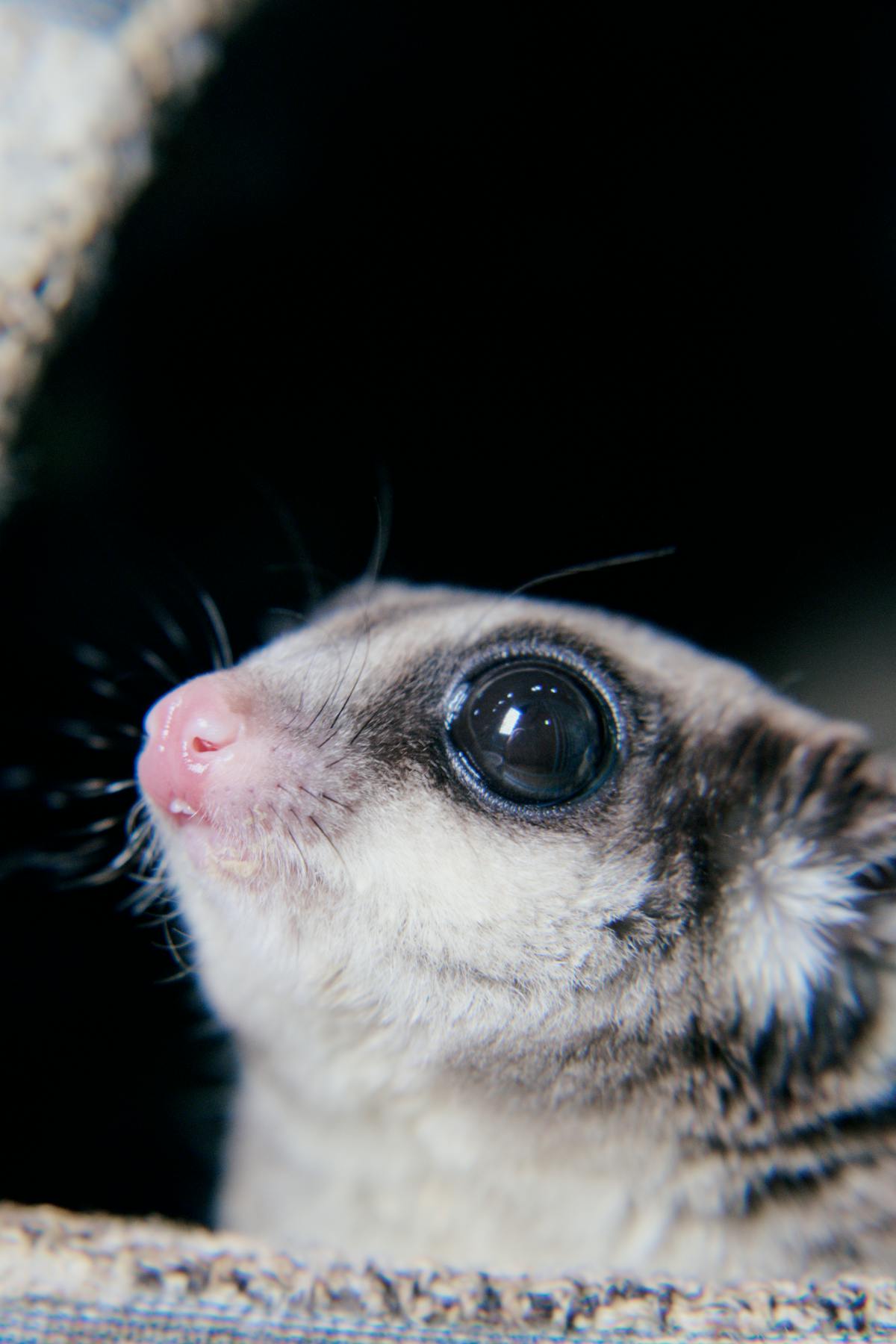
Sugar gliders are marsupials from Australia and Indonesia, not rodents, and their care requirements reflect that. They’re also not legal everywhere: California, Hawaii, and Alaska ban them outright, and several other states require a permit, so confirm your local laws before the party planning gets ahead of the paperwork. The diet is complex, the social needs are non-negotiable, and the birthday party happens at 10pm because they’re nocturnal. Get those three things right and you have an animal who will glide to your shoulder on their birthday, chirp at you, and spend the evening in your bonding pouch. Get them wrong and you have an animal who is crabbing at you (a defensive bark-hiss sound that is exactly as alarming as it sounds) from inside a cardboard box you put out for the party. Plan accordingly.
The Pairing Rule: Non-Negotiable
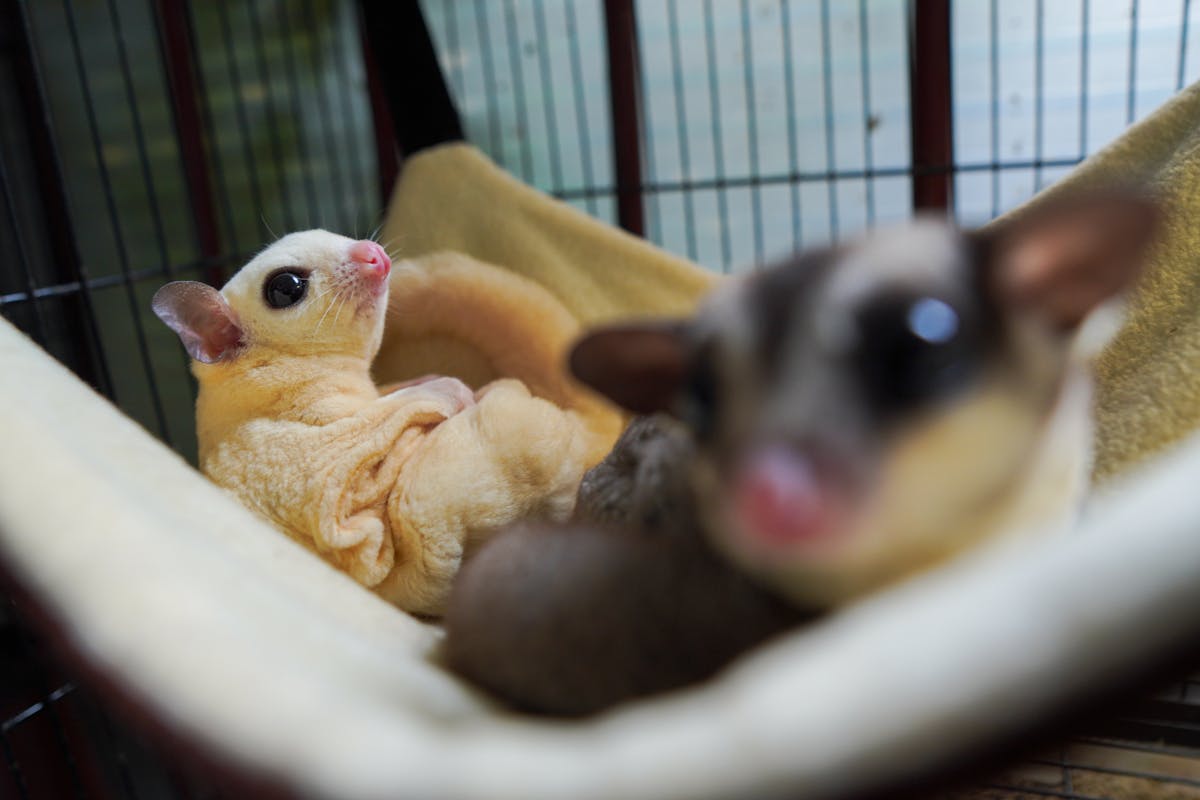
Sugar gliders are colony animals in the wild. A solo sugar glider who doesn’t have sufficient social contact can develop depression, compulsive behaviors, and in severe cases self-mutilation. They need to be kept in pairs at minimum, or with a human owner who provides hours of daily bonding time.
Most sugar glider owners maintain pairs or small groups. For the birthday party, the pair or group all participate. There is no “just the birthday glider” in a well-run sugar glider household.
If you’re a single-glider household providing extensive daily bonding time (the dedicated owner who carries their glider in a bonding pouch for hours each day), the birthday is an excellent occasion to reinforce that bond. But please also reconsider the solo arrangement. These animals do better with their own kind.
The Diet Reality
Sugar glider nutrition is more complex than any other species in this guide. Per VCA Hospitals, their daily diet should consist of approximately:
- One third: Nutritionally balanced pelleted kibble formulated for sugar gliders or insectivore pellets, available all day
- One third: Nectar or sap-based mixture
- One third: Insects every other day, calcium-based multivitamin supplement, fresh vegetables, and fresh fruits in small portions
Total daily intake is roughly 15 to 20% of their body weight. A sugar glider weighs 4 to 5 ounces, so the total food amount is genuinely small.
The calcium-to-phosphorus balance in their diet matters. Foods high in phosphorus relative to calcium impair calcium absorption, which leads to metabolic bone disease. This is one of the most common nutrition-related problems in sugar gliders and a direct consequence of feeding a diet that looks healthy but isn’t balanced correctly.
Per VCA Hospitals and NC State Veterinary Hospital guidance: work with a veterinarian experienced with sugar gliders to develop the right diet protocol for your animals. This is one of the few species where online research alone is genuinely insufficient preparation. And if your glider seems lethargic or isn’t eating well, that’s a reason to skip the party and call the vet, not push through it. Per VCA Hospitals, most non-traumatic sugar glider health problems trace back to nutrition, so it’s worth ruling out before anything else.
Safe Birthday Treats
Birthday treats for sugar gliders should come from the fresh food portion of their established diet. Nothing untested on birthday day — introduce new foods gradually over days beforehand, not as a surprise celebration.
Safe fresh foods (per VCA Hospitals):
- Apple pieces: Small amounts. A classic.
- Kiwi: Most gliders enjoy it
- Melon pieces: Good water content, sweet
- Cooked sweet potato: Nutritious, frequently well-accepted
- Green beans: Fine as a fresh vegetable option
- Bell pepper: Color variety makes for good birthday photos
- Cooked chicken or turkey baby food (pure meat, no vegetable fillers): Protein source; check the label carefully for additives
High-oxalate foods to limit: Per VCA Hospitals, high-oxalate foods impair calcium absorption. The list includes raspberries, strawberries, blackberries, spinach, carrots, beets, pears, lettuce, figs, and collards. Not all toxic in small amounts, but regular feeding creates nutritional imbalance. Offer lower-oxalate alternatives as birthday treats.
What is toxic to sugar gliders:
Chocolate: theobromine is toxic to sugar gliders.
Onion and garlic: toxic, cause blood cell damage and anemia.
Dairy products: not appropriate for sugar gliders.
Canned fruits: excess sodium and preservatives make these unsuitable.
Pesticide-treated produce: sugar gliders are sensitive to pesticides. Wash all produce thoroughly or buy organic.
Avocado: toxic.
Rhubarb: toxic.
The Birthday Bonding Pouch
The bonding pouch is a small fabric pouch you wear against your body, inside your shirt or clipped to clothing, where your sugar glider rides around with you. It replicates the marsupial pouch experience and is one of the primary ways sugar gliders bond with their owners.
For a birthday, a new bonding pouch is an excellent practical gift. They come in various fabrics; fleece is popular because it’s soft and holds warmth. A quality bonding pouch runs $10 to $20 and lasts through hundreds of hours of use.
Extended bonding pouch time on birthday day means something to a well-bonded sugar glider. They sleep through much of it, but the contact and your scent matter for the relationship.
Timing: They’re Awake at 10pm
Sugar gliders are nocturnal. Their activity peaks in the late evening and overnight. A birthday party at 2pm is a party where the guests of honor are asleep in their fleece pouch.
Schedule birthday activities for after dark. The fresh food treats, the enrichment setup, the bonding pouch time: all of these should happen when they’re naturally alert. An active evening glider versus a disoriented daytime glider is a completely different experience.
The Crabbing Sound
Fair warning: when a sugar glider is alarmed or defensive, they produce a sound called crabbing. It’s a rapid, buzzing bark. It sounds alarming. It means they want you to stop whatever is happening.
If your glider crabs at the birthday setup, back off. The new toy or new smell is too much at once. Introduce changes gradually rather than presenting the entire birthday enrichment array simultaneously.
A relaxed, happy sugar glider makes softer sounds: chirping, purring vibrations, quiet vocalizations during handling. These are the sounds you’re working toward.
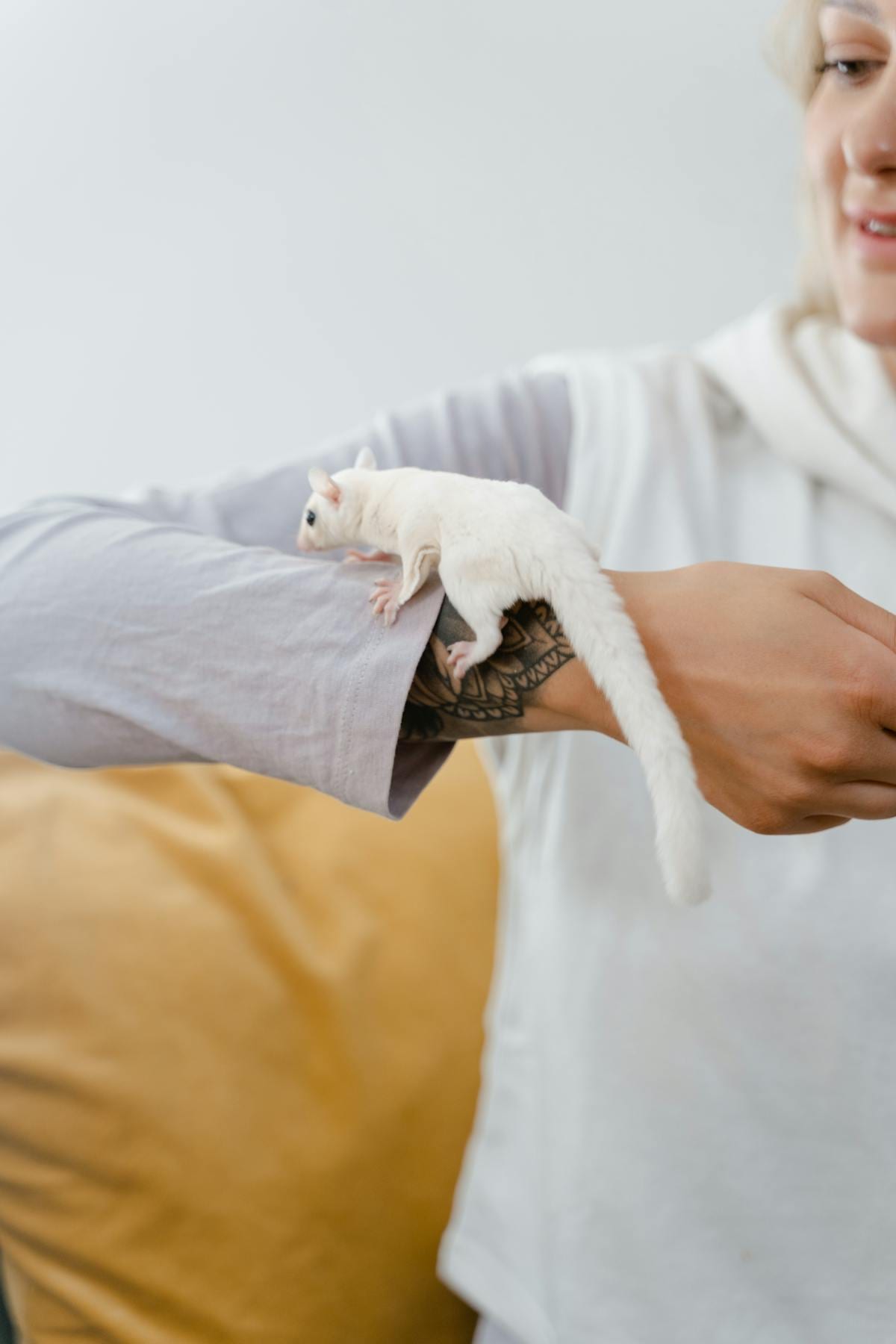
Do sugar gliders know it’s their birthday? No, not the way people do. What a well-bonded glider registers is that it’s evening, something’s different, and their person is paying attention. Extended bonding pouch time and a favorite fruit check every box that matters to the animal, even if the calendar significance is entirely yours. With excellent care, sugar gliders live 10 to 15 years in captivity, so this is a tradition you’ll likely be repeating for a decade or more. Most gliders come from breeders with documented ages, but rescues may not have records; if yours doesn’t, the gotcha day works just as well as an annual celebration — our gotcha day party ideas guide covers that format.
Sugar Glider Birthday Supplies
Sugar gliders are social foragers. Birthday enrichment:
- Sugar Glider Safe Treats, fresh fruit portions are the main treat option for sugar gliders.
- Sugar Glider Sleeping Pouch, new fleece sleeping pouch as the birthday gift.
- Sugar Glider Cage Enrichment Toys, new cage enrichment for the birthday.
Sources
- VCA Hospitals: Sugar Gliders: Feeding
- NC State Veterinary Hospital: Caring for Your Pet Sugar Glider
- You
- Your pets
- Confirm