
Red-Eared Slider Gotcha Day: Celebrating the Anniversary of Your Aquatic Turtle
Red-eared slider gotcha day ideas: the tankiversary water change and feast, the annual shell health check, the basking photo tradition, and why red-eared slider gotcha days matter for a species that often arrives from poor conditions.
As an Amazon Associate we earn from qualifying purchases.
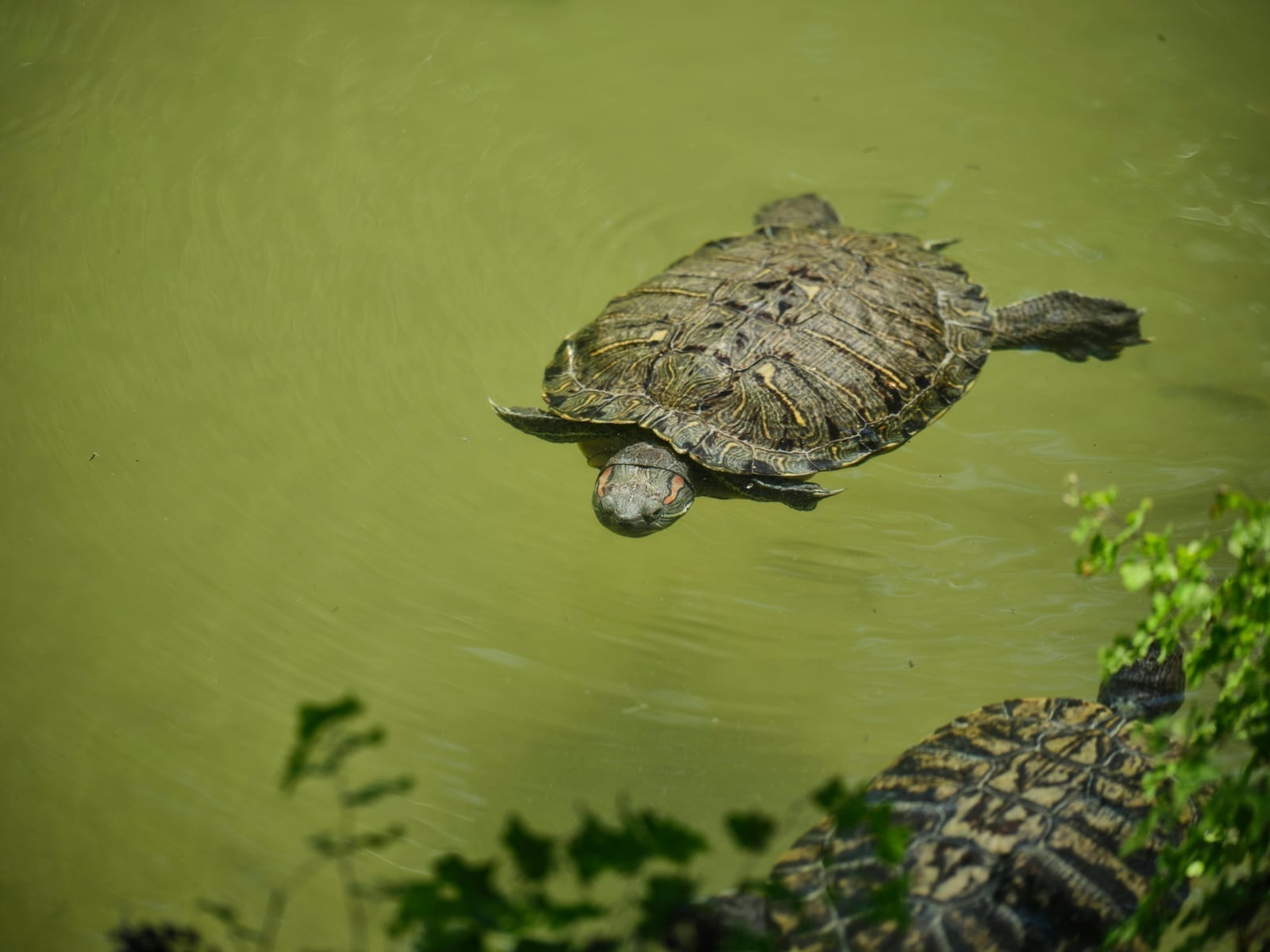
Red-eared sliders are one of the most commonly kept and most commonly neglected aquatic turtles. They arrive as small hatchlings, grow into 7 to 12-inch adults, and live 20 to 40 years. Many of them spend significant portions of their lives in inadequate tanks with poor water quality, no UVB, and inadequate basking. The gotcha day for a slider that’s made it to year 3 or 5 in a properly maintained setup is genuinely worth marking, it means the keeper figured out the actual requirements and maintained them.
Tank Prep Is the Gotcha Day Gift
Before anything else: a partial water change (25 to 30%) with dechlorinated, temperature-matched water. Per VCA Hospitals, water quality is the most important factor in slider health. The gotcha day water change, with a parameter test (ammonia zero, nitrite zero, nitrates below 20 ppm), is the meaningful celebration.

The Gotcha Day Feast
Age-appropriate and restrained. Red-eared sliders are opportunistic feeders that will eat whenever food is present. The feast doesn’t mean unlimited food.
For juvenile sliders (under 2 years, protein-forward):
- High-quality aquatic turtle pellets
- Frozen bloodworms (thawed, small portion)
- Earthworm pieces (pesticide-free source)
For adult sliders (2+ years, greens added):
- Aquatic turtle pellets as the base
- Romaine or red leaf lettuce, dandelion greens
- Earthworm pieces as the protein treat
- A piece of melon or strawberry as the birthday treat
Remove all uneaten food promptly. Turtle tanks foul quickly.
Outdoor pond sliders get a simpler version: a premium pellet offering plus a piece of watermelon placed near the usual feeding spot. If the pond already has natural basking and enough depth, the real gotcha day work shifts from feeding to documentation, an annual photo of the turtle out on its basking area in good light tells you more about its condition than any special feast would.
The Annual Shell Health Check
The gotcha day is the annual occasion to photograph and document the shell condition:
Top-down photo. The scute pattern, any pyramiding (raised scutes indicating previous nutritional problems), shell smoothness, color quality.
Straight-edge check for shell rot. Press gently on the shell surface. Soft spots or areas that flex indicate possible shell rot, a bacterial infection that requires veterinary attention.
Comparison to previous years. Shell healing, growth, and any changes in scute pattern are visible in year-over-year photos.
This is a health documentation habit that becomes genuinely valuable if any issue develops later: the gotcha day photos create a timeline that helps a vet understand when a problem started.
If your slider came home with pyramiding already on the shell, that’s not a reason to skip the photo. Pyramiding is permanent, it won’t smooth out, but it doesn’t erase the years of decent care since. Photograph the shell as it actually looks and note in the post that the pyramiding predates you. A slider that arrived with raised scutes and is now active, eating well, and living in a properly sized, properly heated tank is a success story, not a before-and-after failure.
The Basking Photo
Red-eared sliders need basking access at 85 to 95°F for calcium metabolism and immune function. A slider that basks regularly shows vivid coloring and clear shell condition. The gotcha day photo:
Full-body basking portrait. A slider fully extended on the basking platform, all four legs out (the maximum heat-absorption posture), photographed from the side or above. This shows the shell and body condition clearly.
The red ear close-up. The namesake red stripe behind the eye, photographed at close range in natural light, shows the coloring and scale condition of the head clearly.
Community Format
r/reptiles, dedicated turtle forums, and aquatic turtle Facebook groups mark gotcha days with:
- A basking photo showing shell condition
- The tank size (community standard for adult RES is 75+ gallons, or an outdoor pond)
- The anniversary year
- An honest note about the setup and anything that’s changed this year
Don’t have an exact date? The first photo in your phone’s camera roll with the slider in it is usually the closest thing to an accurate record most people have. Use that. Within a few weeks either direction doesn’t matter much, what matters is doing the annual check at all.
Long-term red-eared slider gotcha days (10, 15, 20 years) generate community recognition because maintaining a slider for that long in appropriate conditions requires real commitment. These milestones are worth posting.
Party Supplies
- Aquatic Turtle Pellet Food, the base for both the juvenile and adult gotcha day feast.
- Reptile UVB Basking Lamp, for the basking access sliders need for calcium metabolism and immune function.
- Aquarium Water Conditioner Dechlorinator, for the gotcha day water change.
Sources
- VCA Hospitals: Red-Eared Slider Turtles
- ASPCA Animal Poison Control: Animal Poison Control
For the food guide: What Can Red-Eared Sliders Eat at a Party?
For the full birthday party guide: Red-Eared Slider Birthday Party Ideas
For the general gotcha day framework: Pet Birthday and Gotcha Day Overview
- You
- Your pets
- Confirm