
Prairie Dog Birthday Party Ideas: A Celebration for the Most Bonded Small Pet
How to throw a prairie dog birthday party: safe foods per VCA guidelines, the obesity risk that shapes every treat decision, why prairie dogs greet their people like dogs do, and how to celebrate with an animal built for deep social bonds. VCA-verified.
As an Amazon Associate we earn from qualifying purchases.
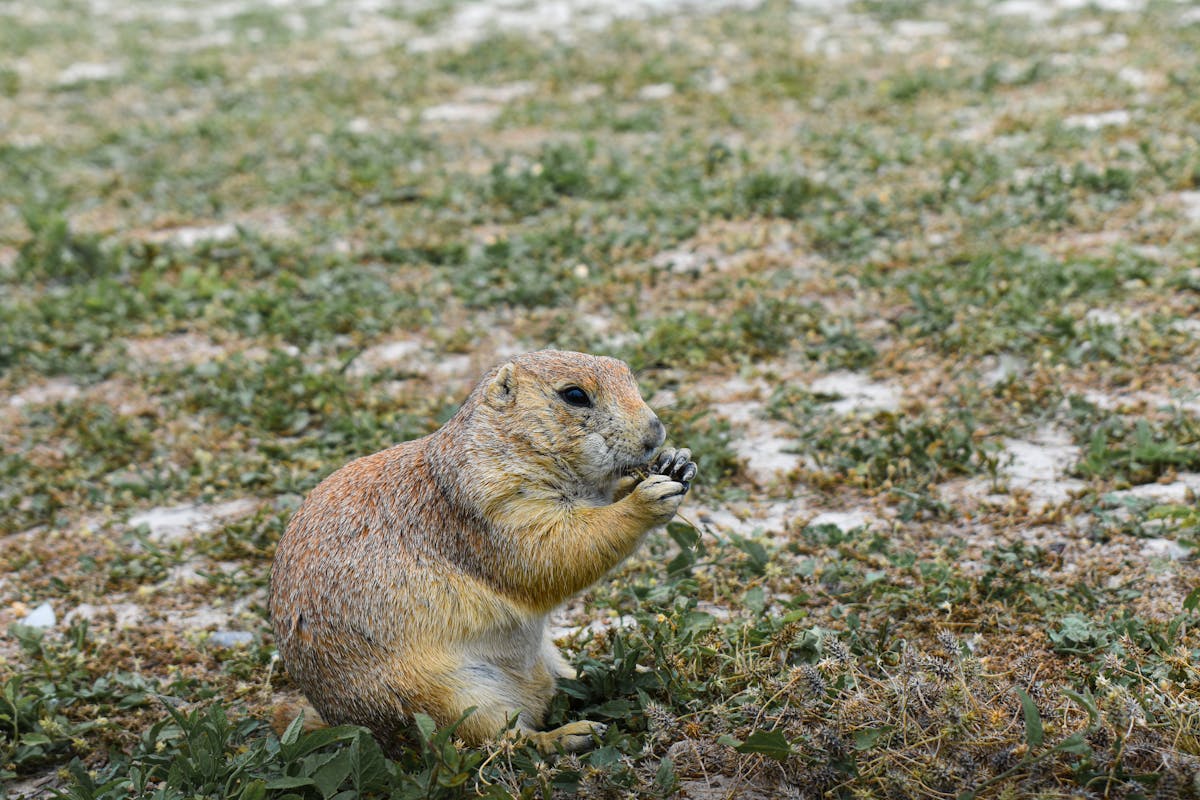
Prairie dogs are not actually dogs. They’re ground squirrels from the Great Plains, and they got the name from their warning bark, which genuinely sounds like a dog’s bark from a distance. What they share with dogs is the intensity of social bonding. A well-socialized prairie dog who is comfortable with their owner makes greeting sounds, seeks physical contact, and expresses visible happiness when their person comes home. This makes birthday parties meaningful in a way that differs from many small pets. Your prairie dog knows you specifically, and the birthday celebration is real social time with someone they’re bonded to. That sociability isn’t just about people, either. Prairie dogs are colonial animals in the wild, living in interconnected family groups, and captive prairie dogs generally do best with a same-sex companion or a spayed/neutered opposite-sex pair rather than living solo. If yours has a cage-mate, the birthday celebration is a two-prairie-dog affair by default. And most prairie dogs come home without an exact birth date, in which case the day you brought them home works just as well: see our gotcha day party ideas guide for that format.
The Obesity Warning: Start Here
Per VCA Hospitals, obesity is described as “a common problem in pet prairie dogs, due to improper diet and lack of exercise.” Diet-related diseases — including obesity, malnutrition, and gastrointestinal disorders — are listed as “the most common health disorders in captive prairie dogs.” Treats must remain below 5% of daily food intake.
This is the organizing principle for birthday food planning. The celebration food is special in type, not special in quantity. A birthday extra is a new vegetable they rarely get, or a fresh herb. Not a larger portion of everything.
Safe Birthday Foods
Per VCA Hospitals guidelines, the prairie dog diet should be based on unlimited timothy hay (their primary food), supplemented with a variety of dark green leafy vegetables offered fresh daily.
Verified safe birthday foods (per VCA Hospitals):
- Kale: Named specifically by VCA. Leafy, nutrient-dense, most prairie dogs enjoy it.
- Parsley: Named specifically. A treat category in its own right.
- Cilantro: Named specifically. Strong-smelling herbs tend to be popular.
- Collard greens: Named specifically. Good variety.
- Bok choy: Named specifically.
- Dandelion greens (pesticide-free): Named specifically. Many prairie dogs love these.
- Clover (pesticide-free): Named specifically. Fresh clover is close to what wild prairie dogs forage.
- Carrot tops: The green tops, not the carrot itself (which is high in sugar).
- Small piece of fruit (1-2 times weekly as a treat): VCA notes small fruit portions as an acceptable weekly extra. Not a daily item, but appropriate as a birthday special.
What VCA Hospitals specifically advises against:
Dog food and cat food: not appropriate for prairie dogs despite the name similarity.
Nuts: too high in fat.
Raisins: VCA specifically lists these. Avoid.
Animal protein sources: prairie dogs are herbivores.
Additional carbohydrates and table scraps.
Iceberg lettuce: VCA specifically mentions this as something to avoid (low nutritional value).
Alfalfa hay: fine for young prairie dogs under one year, but should be eliminated after that age. Timothy hay is the adult standard.

The Birthday Greeting
Prairie dogs that are well socialized with their owners greet people with vocalizations and physical contact seeking. When you come home, a bonded prairie dog may run to you, make soft chirping or barking sounds, and try to climb on you. This is called “kissing” behavior in the community — they often want to touch noses with your face.
For birthday day, the extended greeting session is the party. Sit on the floor with your prairie dog. Let them climb on you, investigate your hair, make their social sounds at you. This contact time is the celebration from their perspective far more than any special food.
Prairie dogs also have specific alarm calls, contact calls, and “all clear” calls. The birthday environment should be calm enough that the alarm calls don’t come up — meaning no loud music, no strangers crowding in, no sudden movements.
Black-tailed prairie dogs commonly live 8 to 10 years in captivity, which makes the birthday greeting a tradition you’ll repeat for the better part of a decade. The bond only gets deeper each year you keep having it.
Birthday Enrichment
New foraging setup: Scatter birthday vegetables (dandelion greens, clover, cilantro) through a pile of fresh hay. Prairie dogs are natural foragers and finding food through vegetation is instinctive enrichment.
New digging opportunity: Prairie dogs are extreme burrowers in the wild, capable of building tunnel systems hundreds of feet long. In captivity, a dig box (a container filled with a substrate like compressed paper bedding, deep enough to burrow into) satisfies this drive. A birthday dig box is a significant enrichment gift.
Out-of-cage time: Prairie dogs benefit from supervised time outside their enclosure to explore, run, and interact with their environment. Birthday free-range time in a safe, prairie-dog-proofed room is genuinely good for them. They need more space to run than their enclosure alone provides.
Prairie Dogs and Other Pets
A relevant birthday planning note: prairie dogs are prey animals and do not safely coexist with cats or dogs. If you have cats or dogs, the prairie dog birthday free-range time must be in a completely separate, secured room with no access for the other animals.
A separate practical note worth knowing before any of this: prairie dogs are banned or restricted as pets in some states and require permits in others. A 2003 import ban on African rodents tied to a monkeypox outbreak doesn’t apply to native prairie dogs, but local regulations vary, and some municipalities layer on additional restrictions of their own, so it’s worth double-checking your specific state and city rules if you haven’t already.
Party Supplies
- Timothy Hay for Small Animals, the unlimited primary food base prairie dogs need every day, birthday included.
- Small Pet Dig Box Burrowing Toy, for the birthday dig box enrichment gift that satisfies the natural burrowing drive.
- Compressed Paper Bedding, the substrate to fill the dig box for burrowing.
Sources
- VCA Hospitals: Prairie Dogs: Feeding
- VCA Hospitals: Owning Prairie Dogs
- You
- Your pets
- Confirm