
Geese, Quail, and Guinea Fowl Birthday Parties: The Complete Guide for Backyard Birds Beyond Chickens
How to celebrate birthdays for pet geese, quail, and guinea fowl: what each species enjoys as treats, the key safety differences, and the behavioral realities of throwing a party for each.
As an Amazon Associate we earn from qualifying purchases.

Geese, quail, and guinea fowl are all kept as backyard companions by a smaller but dedicated group of keepers. Each has a distinct personality type and different requirements for a birthday celebration. This is the guide for all three.
Geese
Pet geese, particularly Chinese, African, Toulouse, and Embden geese, are the dogs of backyard poultry. They form strong bonds with their keepers, recognize individual humans, come when called, and will follow their person around the property. They’re also loud, territorial with strangers, and opinionated about everything.
The goose birthday format: A water-based celebration with a treat spread. Geese need water access for feeding (they dip food in water to swallow it) and for bathing, which is important for their wellbeing.
Safe treats for geese:
- Leafy greens: romaine, kale, chard, spinach (moderate amounts), torn and floated in water
- Peas (thawed frozen), the duck/goose universal favorite
- Corn (fresh or frozen thawed)
- Grapes (whole, geese handle them fine)
- Watermelon (flesh and rind)
- Cucumber
- Berries
- Plain cooked rice or oats
What to avoid: Same list as ducks, bread, avocado, onion and garlic, chocolate, citrus, salty processed food.
Behavioral note: If your goose is bonded to you, a goose birthday involves the goose following you around the yard, honking, and investigating anything you set up. If your goose is territorial with strangers, the human guest list is limited to people the goose already accepts.
Photo: A goose looking at a treat held at camera height will hold the pose briefly. Have the treat ready.
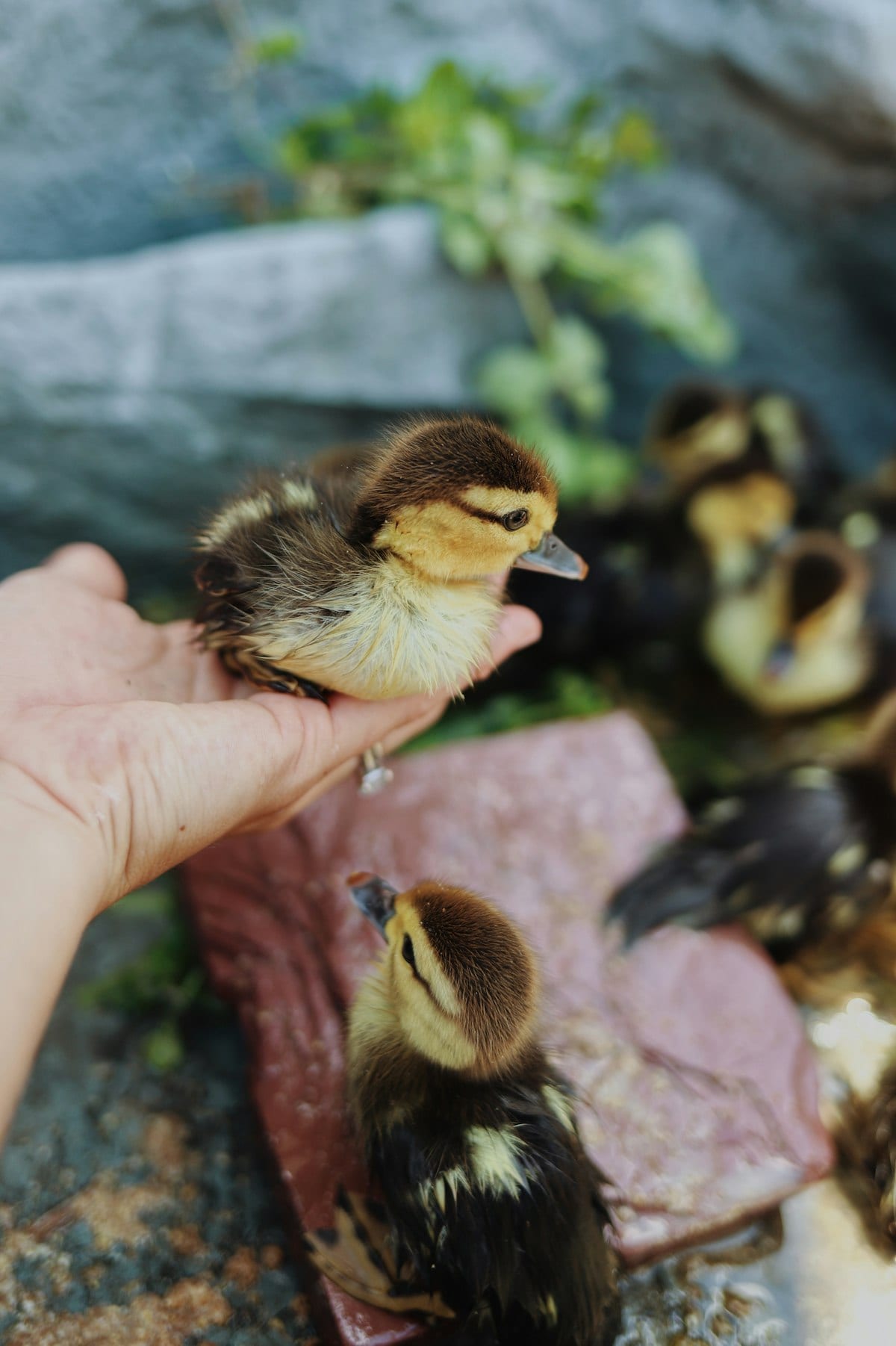
Quail
Pet quail, Coturnix (Japanese quail) and Button quail particularly, are small, mostly ground-dwelling birds that are kept both as egg producers and companions. They’re less interactive than chickens or geese but have distinct personalities and keepers often develop real affection for individual birds.
The quail birthday format: Small-scale enrichment in their enclosure. Quail don’t have the same social awareness of celebration that a goose or chicken shows, but a treat scatter in their space is genuine enrichment.
Safe treats for quail:
- Small insects: mealworm larvae (small), fruit flies, small crickets, quail are insectivores and this is their primary treat category
- Millet (spray or loose)
- Small berries: blueberries cut in half, raspberries
- Shredded leafy greens: romaine, kale
- Cooked plain egg (small piece), quail accept this
- Dried herbs: thyme, oregano scattered through the enclosure
What to avoid: Same basic list as chickens, avocado, onion and garlic, moldy food. Additional caution: avoid large food pieces that can cause choking in small quail.
Format: Scatter small treats through their enclosure, millet, small mealworm larvae, shredded greens. A birthday for quail is a scatter feed rather than a structured treat spread.
Shop on Amazon Millet Spray Bird Treat
Guinea Fowl
Guinea fowl kept as companions (as opposed to production animals) are known for their loud alarm calls, pest-control effectiveness, and the distinct “buckwheat” vocalization that guinea owners recognize immediately. They’re not cuddly animals but they have personality, they travel in tight groups, and some individuals become genuinely tame with regular handling.
The guinea fowl birthday format: Same as chickens, scaled slightly smaller per bird but with the same enrichment principle, a treat spread, a hanging suet-cage piñata, scattered mealworms.
Safe treats for guinea fowl:
- Mealworms (dried or live), same high-value response as chickens
- Grapes (whole)
- Berries
- Small pieces of leafy greens
- Corn (fresh or frozen thawed)
- Sunflower seeds (small amounts)
What to avoid: Same list as chickens, avocado, onion and garlic, raw beans, moldy food.
Behavioral reality: Guinea fowl are flightier and more reactive to novelty than chickens. Birthday setup items placed in their run will be treated as alarm objects initially. They’ll settle and eat from them once the flock determines nothing is threatening. Budget an extra 10 minutes for the “is this a threat?” investigation phase before the treat engagement phase.
For the comprehensive duck birthday party guide and treats (significantly applicable to geese), see duck birthday party ideas and duck birthday treats.
For the chicken birthday party guide and supplies (applicable to guinea fowl), see backyard chicken birthday party ideas.
Sources
- Cornell Lab, All About Birds, allaboutbirds.org
- Metzer Farms, Waterfowl, metzerfarms.com
- Texas A&M AgriLife, Quail, agrilifeextension.tamu.edu
- You
- Your pets
- Confirm