
Parrotlet Gotcha Day: Celebrating the Anniversary of Your Pocket Parrot
Parrotlet gotcha day ideas for keepers of Pacific and Celestial parrotlets: the tiny but complete anniversary feast, the mutation documentation photo, the aggression-awareness note for this big-attitude small bird, and community tradition for the world's smallest pet parrot.
As an Amazon Associate we earn from qualifying purchases.
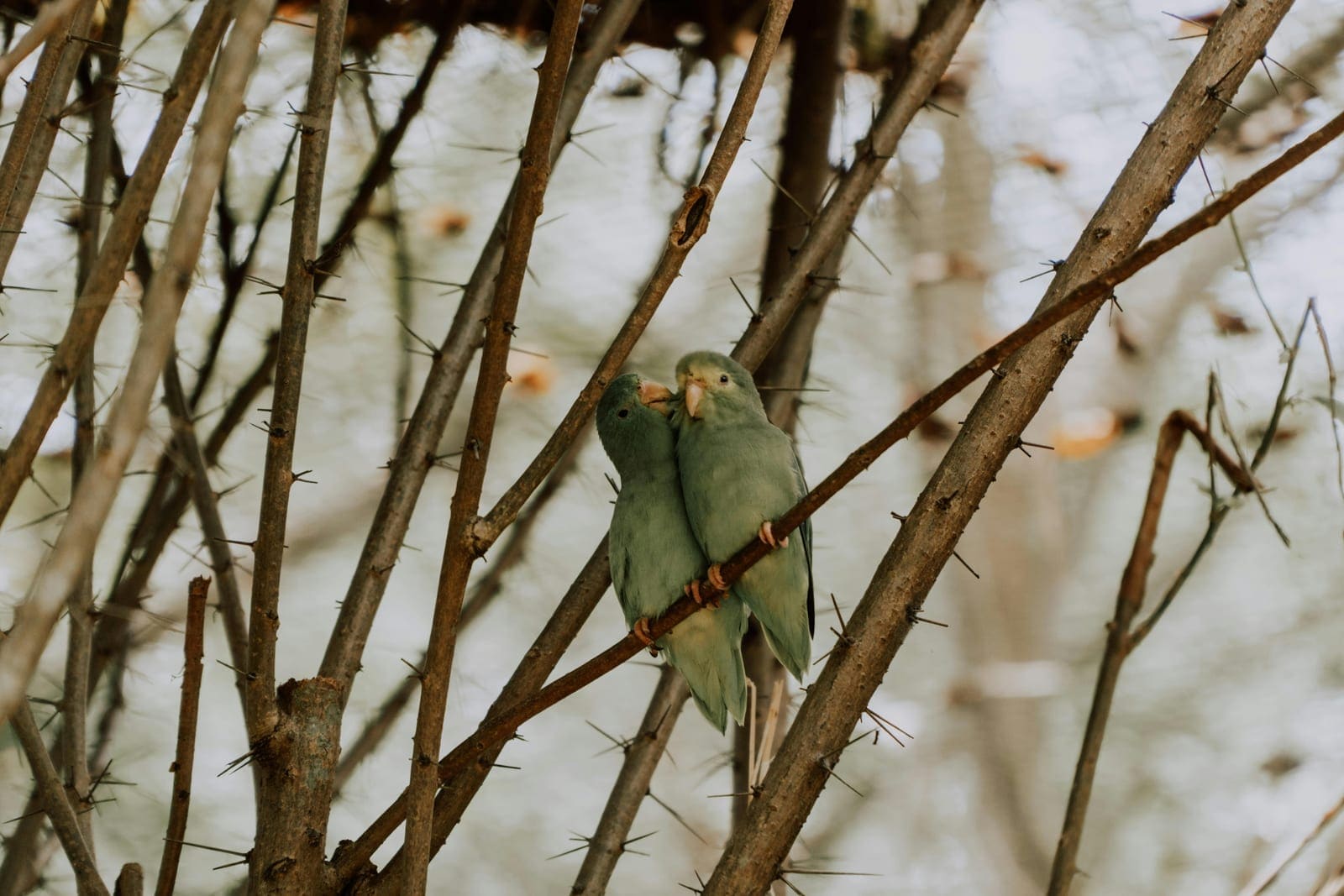
Parrotlet gotcha days celebrate an animal that most people underestimate from the description (smallest pet parrot, fits in a pocket, weighs 28 grams) until they meet one. Parrotlets are territorial, assertive, and not particularly interested in the fact that they’re 28 grams. The gotcha day is the annual acknowledgment of having successfully kept an animal with macaw attitude in a canary-sized package, which requires more than a lot of people expect.
Teflon Warning
Non-stick cookware fumes kill birds. Even a very small bird. All gotcha day food in stainless steel, cast iron, or ceramic.
The Anniversary Feast (Tiny But Complete)
Parrotlet chop, finely chopped. Bell pepper (finely diced), leafy greens (tiny pieces), sweet potato (cooked, tiny pieces), carrot (grated fine), corn kernels. The portions are genuinely small, a teaspoon of mixed chop is appropriate for a parrotlet.
Fruit treats: one blueberry, one raspberry, or a thin sliver of apple (seeds fully removed). One blueberry is a meaningful birthday treat relative to this bird’s size.
Pellets stay. High-quality pellets as the dietary base. The anniversary chop supplements.
No-list: avocado, chocolate, onion, garlic, apple seeds, alcohol, xylitol.
The Aggression-Awareness Note
Parrotlets are known for biting with a beak that’s small but not trivial. A parrotlet bite can break skin and is genuinely painful. Most parrotlets that bite do so due to: hormonal behavior (more common in males), resource guarding of a favored toy or food, or being handled when they don’t want to be.
For the gotcha day:
- Read the bird’s signals before any handling attempt
- If the bird is in hormonal season, keep the celebration food-focused
- The gotcha day photo can be taken through the enclosure if the bird isn’t cooperative with handling
For a bird that’s been consistently aggressive rather than just seasonally cranky, the picture is different. Chronic biting is usually a mix of temperament, hormones, and socialization history, a bird that hasn’t had much positive social interaction, or one that’s learned biting reliably gets what it wants. The gotcha day doesn’t reset any of that. What it’s good for is a checkpoint: is the relationship improving, holding steady, or getting worse? Consistent calm handling, respecting the bird’s signals, and bringing in an avian behaviorist when nothing’s moving are the actual tools.
Housing more than one parrotlet complicates this further. Some pairs get along fine; others fight seriously enough to draw blood. Parrotlets are territorial, so introductions need careful, monitored steps regardless of the calendar. Same-sex pairs fight more often than not; some opposite-sex pairs bond well. If serious aggression shows up between two birds, separate them immediately, gotcha day or not.
Not every parrotlet fits the difficult profile, either. Birds handled consistently from a young age can turn out genuinely gentle and never bite at all. It’s the exception rather than the rule for this species, but it happens, and it’s worth noting the first gotcha day that rolls around without a single mark to show for it.
The Mutation Documentation Photo
Pacific parrotlets (Forpus coelestis) come in green (wild-type), blue, yellow (lutino), white (albino), and several combination mutations. The gotcha day photo documents how the mutation is expressing at this age.
Wild-type green males have the blue behind the eye and the blue wing patches more vivid in good light. Natural light is required to see these correctly.
Blue mutation requires neutral white or gray backgrounds to show accurately. Warm light shifts the blue toward green.
Lutino (yellow) looks washed out in direct sunlight. Overcast outdoor or softbox indoor light shows the yellow and white correctly.
Include the mutation name in the community post caption. The parrotlet community responds more to correct identification than to generic “my bird” posts.
Parrot Birthday Supplies
Parrot birthdays are about foraging enrichment and treat variety:
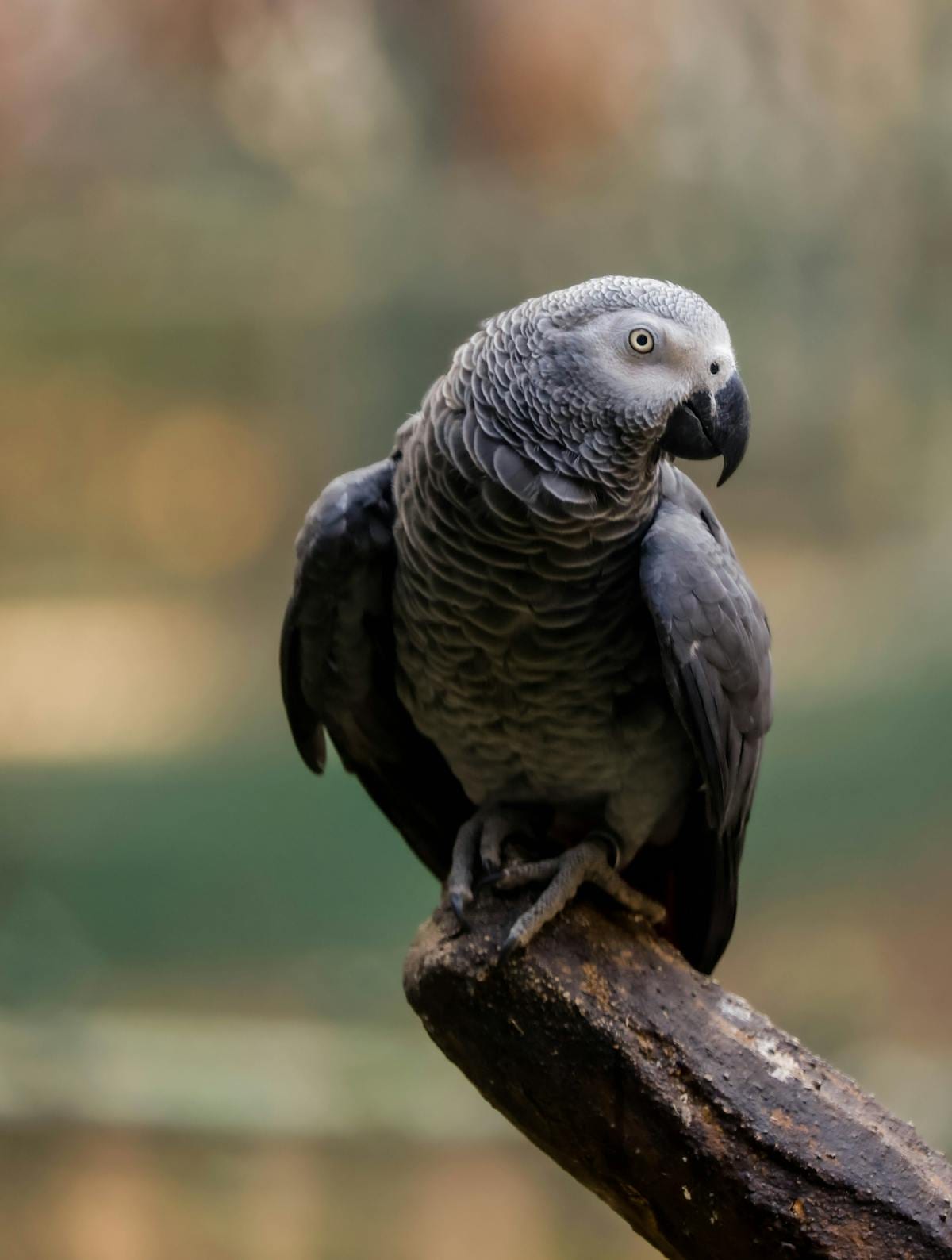
- Litewoo Bird Foraging Feeder (Stainless Steel), fruit, vegetable, and seed holder. Works for African greys, macaws, conures, and similar birds.
- CIEZZU Bird Foraging and Chewing Toy Set, multiple foraging elements for medium and large parrots.
- Bird Spinner & Foraging Basket Set, mental enrichment basket plus spinning rattle toy.
Sources
- VCA Hospitals: Parrotlets
- ASPCA Animal Poison Control: Animal Poison Control
For the food guide: What Can Parrotlets Eat at a Party?
For the full birthday party guide: Parrotlet Birthday Party Ideas
For the lovebird gotcha day comparison (similar size): Lovebird Gotcha Day
- You
- Your pets
- Confirm