
Mini Pig Birthday Party Ideas: The Rooting Party, the Snuffle Feast, and the Banana Situation
How to throw a mini pig birthday party: the foraging party format, safe birthday treats, what pigs genuinely enjoy, the salt toxicity risk most owners don't know about, and a realistic account of pig party dynamics.
As an Amazon Associate we earn from qualifying purchases.
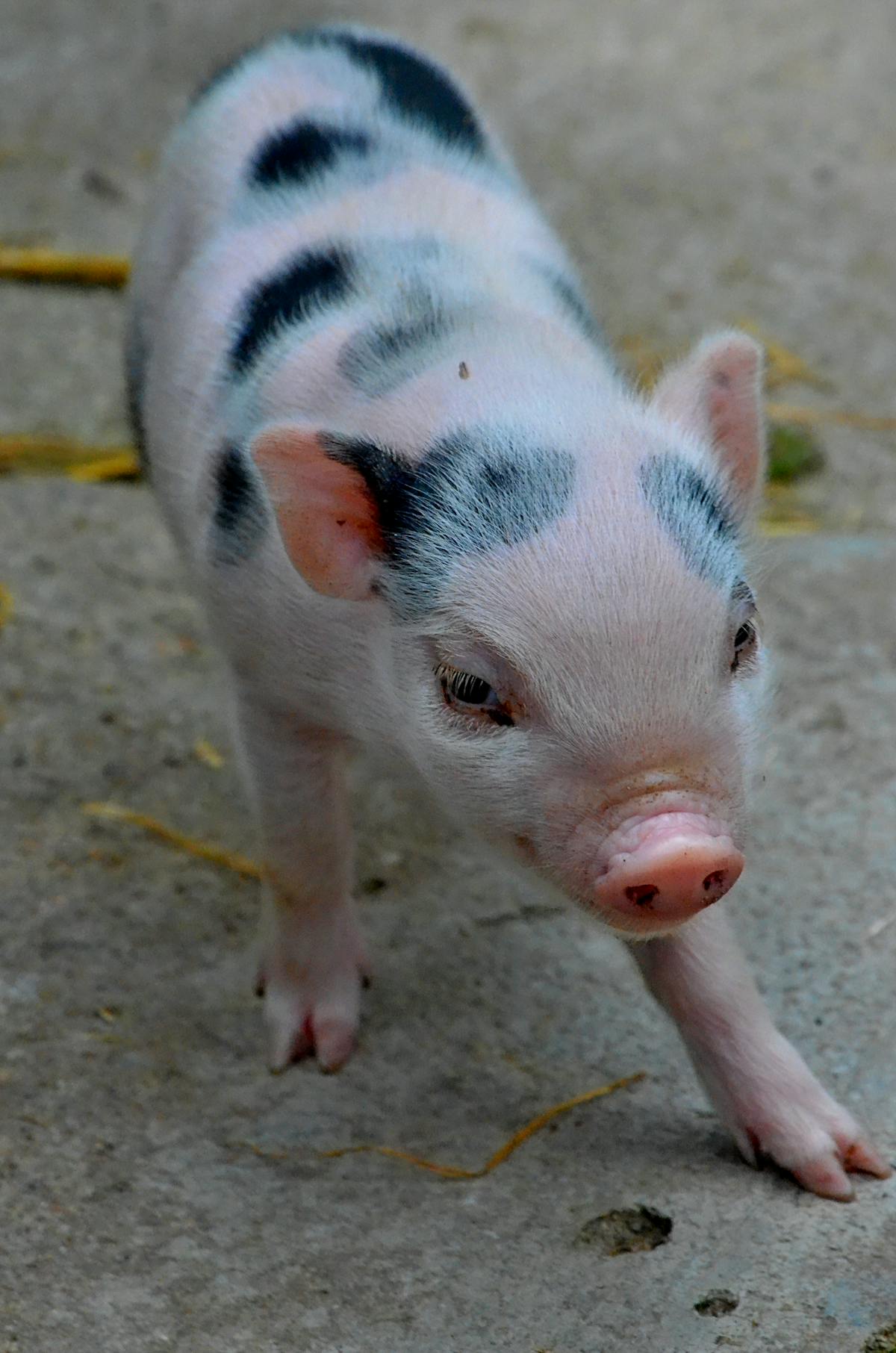
Mini pigs, Vietnamese Potbelly, Juliana, KuneKune, and the various “teacup” and “micro” breeds sold by that name, are intelligent, highly food-motivated, and naturally inclined toward rooting and foraging. A birthday party for a mini pig is a foraging event built around those instincts: a treat-stuffed snuffle area, a rooting box, safe foods they love, and the understanding that the party will look like organized chaos because that’s what pig engagement actually looks like.
One important note: “Teacup pig” is a marketing term with no standardized breeding definition. Pigs sold as teacup pigs often grow to 40–100+ pounds regardless of seller claims. The care guidelines here apply to companion pigs of all mini/micro sizes.
What a Mini Pig Birthday Looks Like
The party is built around three things pigs do naturally: rooting, foraging, and eating. These aren’t things to work around, they’re the activities.
The rooting enrichment setup: A large plastic tub or kiddie pool filled with potting soil, hay, or crumpled paper, with treats buried at various depths. Your pig will root through the entire thing systematically. This is the party activity. Set it up, put her in front of it, and watch.
The snuffle feast: A snuffle mat loaded with pig-appropriate treats, small pieces of fruit, vegetables, pellets, hidden in the fabric. A pig with a snuffle mat is occupied for 20–30 minutes. Paw5 Wooly Snuffle Mat
The birthday treat pile: Her favorite safe foods arranged as a birthday spread. Pigs show genuine excitement around food, you’ll know when it’s the right treats.
Safe Birthday Treats
Per American Mini Pig Association and Ross Mill Farm diet guidelines:
Fruits (occasional, not daily):
- Apple slices (no seeds, apple seeds contain cyanogenic compounds)
- Banana, most pigs love banana; limit because of high sugar content
- Watermelon, flesh and rind; widely loved
- Strawberries, blueberries, raspberries
- Pear (core removed)
- Melon
Vegetables (more appropriate as the treat base):
- Carrot sticks
- Cucumber
- Celery
- Bell pepper pieces
- Cooked sweet potato
- Cooked plain squash
- Leafy greens: romaine, kale in small amounts
Cooked grains and starches:
- Plain cooked oatmeal
- Plain cooked rice
- Plain cooked sweet potato
Rooting treat base:
- Pig-specific pellets hidden in the rooting tub
- Small pieces of raw carrot or apple buried in the rooting medium
The Salt Toxicity Warning
This is the most important safety item for mini pig owners. Salt poisoning in pigs is a genuine and serious risk, and it occurs not from feeding too much salt directly but from intermittent access to salt followed by access to water, or alternately, restricted water access. The mechanism involves sodium imbalance affecting the brain.
Birthday party implication: Ensure unlimited fresh water access throughout the party. Do not offer any salty foods, chips, crackers, processed human snacks, even in small amounts. Do not restrict water as part of any activity or training session.
This is a species-specific risk that doesn’t apply to dogs or cats in the same way. Take it seriously. Per American Mini Pig Association guidelines.
What to Avoid
Avocado: Persin toxicity.
Onion and garlic: Hemolytic anemia.
Chocolate and caffeine: Theobromine and caffeine toxicity.
Dog food or cat food: Not appropriate for pig nutrition and not safe as a treat. Do not substitute species-specific food.
Raw beans and seeds in large amounts: Avoid raw kidney beans; other raw legumes carry varying lectin risk.
Highly processed human food: Salt content, preservatives, and additives cause health issues in pigs who are much more salt-sensitive than other common pets.
The Photo
Mini pigs can be held briefly by familiar owners, though pigs being picked up often vocalize loudly. The birthday photo works best with the pig on the ground, a treat held at camera height, and the pig in active investigation mode. They orient toward food with focused intensity that reads well in photos.
A birthday bandana tied loosely around the neck works for a photo. Most pigs tolerate it long enough for the shot, then investigate it with their snout, then remove it through a combination of head-shaking and deliberate rubbing against surfaces.
For goat safe foods (significant dietary overlap), see what goats can eat at a party.
Sources
- American Mini Pig Association, Diet, americanminipigassociation.com/mini-pig-education/diet
- Ross Mill Farm, Mini Pig Nutrition, rossmillfarm.com/miniature-pig-nutrition-diet-information
- You
- Your pets
- Confirm