
Macaw Birthday Party Ideas: Celebrating Your Blue and Gold, Green Wing, or Scarlet
Macaw birthday ideas from keepers who've committed to the full size: the birthday feast for a bird that eats like a small dog, enrichment scaled for the strongest beak in captivity, and how the macaw community marks a milestone for birds that live 50+ years.
As an Amazon Associate we earn from qualifying purchases.
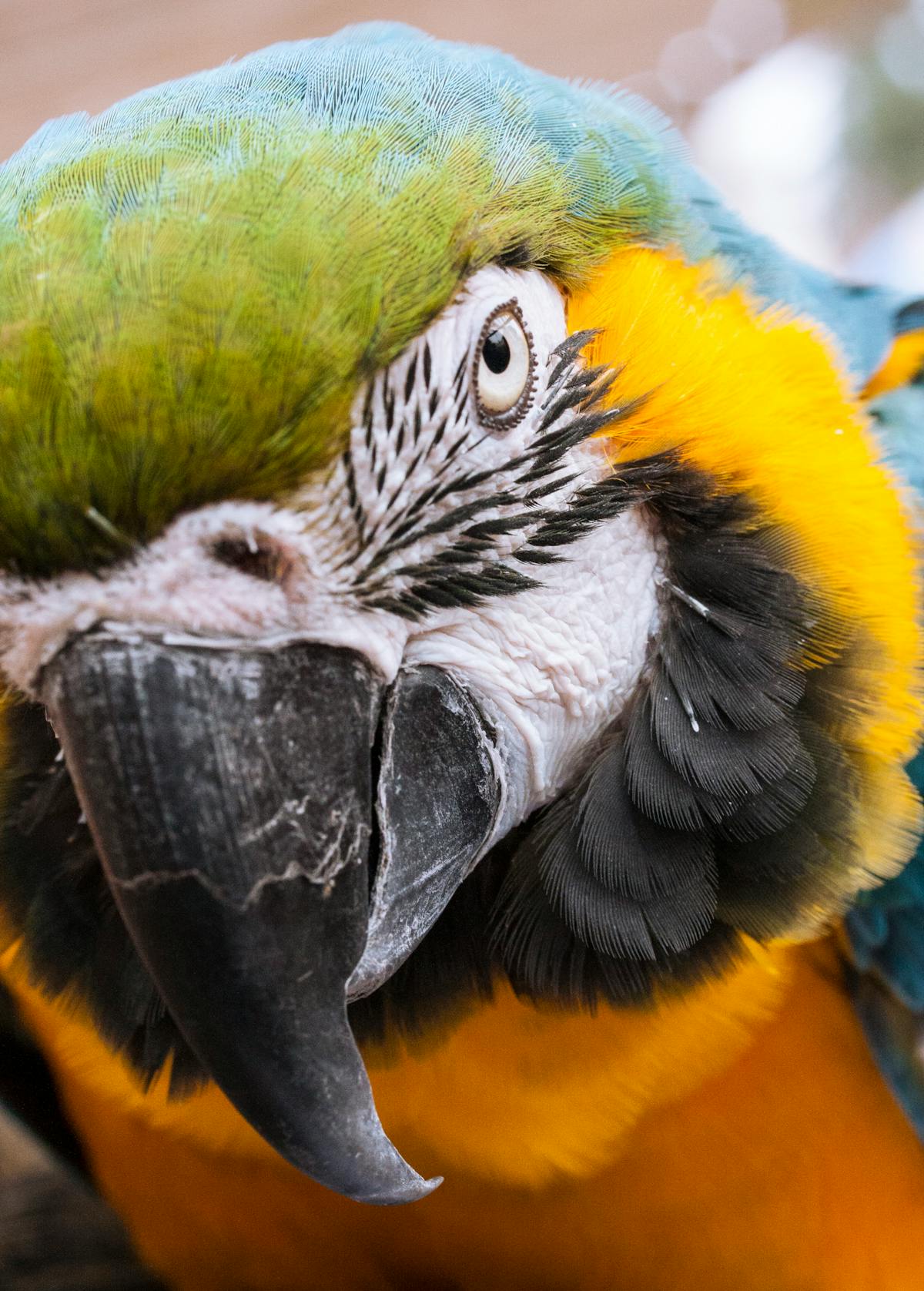
A macaw birthday is an event whether you plan one or not, because macaws make everything an event. Blue and Gold macaws (Ara ararauna), Green Wing macaws (Ara chloropterus), and Scarlet macaws (Ara macao) are large, loud, intelligent, and physically powerful birds that live 50 to 70 years and form bonds with their keepers that outlast most human relationships. The birthday feast is a quality fresh chop plus a handful of appropriate nuts as the real treat, a destruction enrichment session with something appropriately sized for the strongest beak in captivity, and a photo that does justice to the most visually striking bird in the hobby. The party is what you make it. The macaw will be vocal about its opinion of the proceedings.
Teflon Fumes Kill Birds: Non-Negotiable
Polytetrafluoroethylene (PTFE) fumes from overheated non-stick cookware, air fryers, and non-stick-coated appliances are lethal to all parrots, including macaws. Per VCA Hospitals and the ASPCA, this is one of the primary preventable causes of avian death in domestic settings. Birthday food preparation is in stainless steel, cast iron, or ceramic cookware only. This applies every day, not only on birthdays.
Species Character Differences
Blue and Gold Macaw (Ara ararauna): The most commonly kept macaw worldwide. Known for being more tractable and consistent in temperament than some other species. A well-socialized Blue and Gold is often described as the “beginner macaw” (a relative term in a category where all species are demanding). Long-lived, with verified captive records exceeding 60 years.
Green Wing Macaw (Ara chloropterus): The largest commonly kept macaw, often exceeding 35 inches in length. Known as the “gentle giant” within the macaw community for their typically calm demeanor relative to their size. Red, green, and blue coloring. Their beak is among the most powerful of any pet bird.
Scarlet Macaw (Ara macao): Red, yellow, and blue. Often described as more excitable and less predictable than Blue and Gold macaws. Can be highly food-motivated. Their beauty is matched by their intensity.
All three species are loud, and that’s worth planning around rather than fighting. Macaws vocalize at predictable times, dawn, dusk, and any moment of social excitement, and a birthday party is exactly that kind of excitement. If neighbors are a real concern, keep the celebration contained and brief rather than expecting the bird to tone it down. This isn’t bad behavior. It’s just what a macaw sounds like when it’s having a good time.
The Birthday Feast
Macaws eat pellets as the base (60%), supplemented with fresh vegetables, fruit, and high-quality nuts. Per VCA Hospitals’ macaw care guide, diet balance is critical: macaws are prone to obesity from too many high-fat foods and to nutritional deficiency from seed-heavy diets.
Pellets. Harrison’s, Roudybush, or another vet-approved formula. The foundation that doesn’t change.
Birthday chop. Large-cut vegetables appropriate for a big beak: collard greens, kale, large pieces of bell pepper, corn on the cob, broccoli, carrot, cooked sweet potato. Macaws prefer to hold and manipulate food with their feet while eating, so pieces sized for foot-holding are the right format.
Nuts: the real birthday treat. Brazil nuts, walnuts, almonds, macadamia nuts in small quantities. Macaws love nuts and they’re appropriate as occasional treats. For the birthday, a walnut or two in the shell (worked open by the bird is enrichment), an almond, a few pine nuts in a foraging toy. Nuts are high fat, so “birthday quantity” means several, not unlimited.
Fresh fruit. Mango, papaya, pomegranate, apple (seeds removed), grapes, berries. Macaws enjoy fruit and the sugar content is appropriate in moderate quantities alongside the vegetable component.
What never appears. Per ASPCA: avocado (persin toxicity). Chocolate. Caffeine. Alcohol. Onion and garlic. Apple seeds and stone fruit pits (cyanide compounds). Xylitol. Salt in any quantity. Any processed human food with additives.
Birthday Enrichment
Macaws require enrichment scaled to their size and strength.
Destruction. A large, appropriately hard wood block toy, a thick rope toy, or a natural branch. Macaws destroy things and need materials that will occupy them for 20 to 30 minutes rather than being finished in 5. Manzanita, cholla, and eucalyptus hold up; cheap balsa or pine doesn’t stand a chance against a Green Wing or Scarlet’s beak strength and will be gone before the candles are lit. Stainless steel puzzle feeders and large palm toys survive the session too. The birthday destruction session, watching a macaw systematically dismantle something, is genuinely entertaining.
A nut-in-shell foraging setup. Walnuts or Brazil nuts in shell placed throughout a foraging area or inside a foraging toy. The time spent cracking and extracting the nut is the enrichment.
Extended out-of-cage time. Macaws need significant daily free time. The birthday is the occasion for an extended session in a bird-safe large space. Macaws need room to spread and flap, not just perch.
New perch or play gym addition. Macaws use play gyms extensively and new additions are immediately investigated and claimed.
Photography
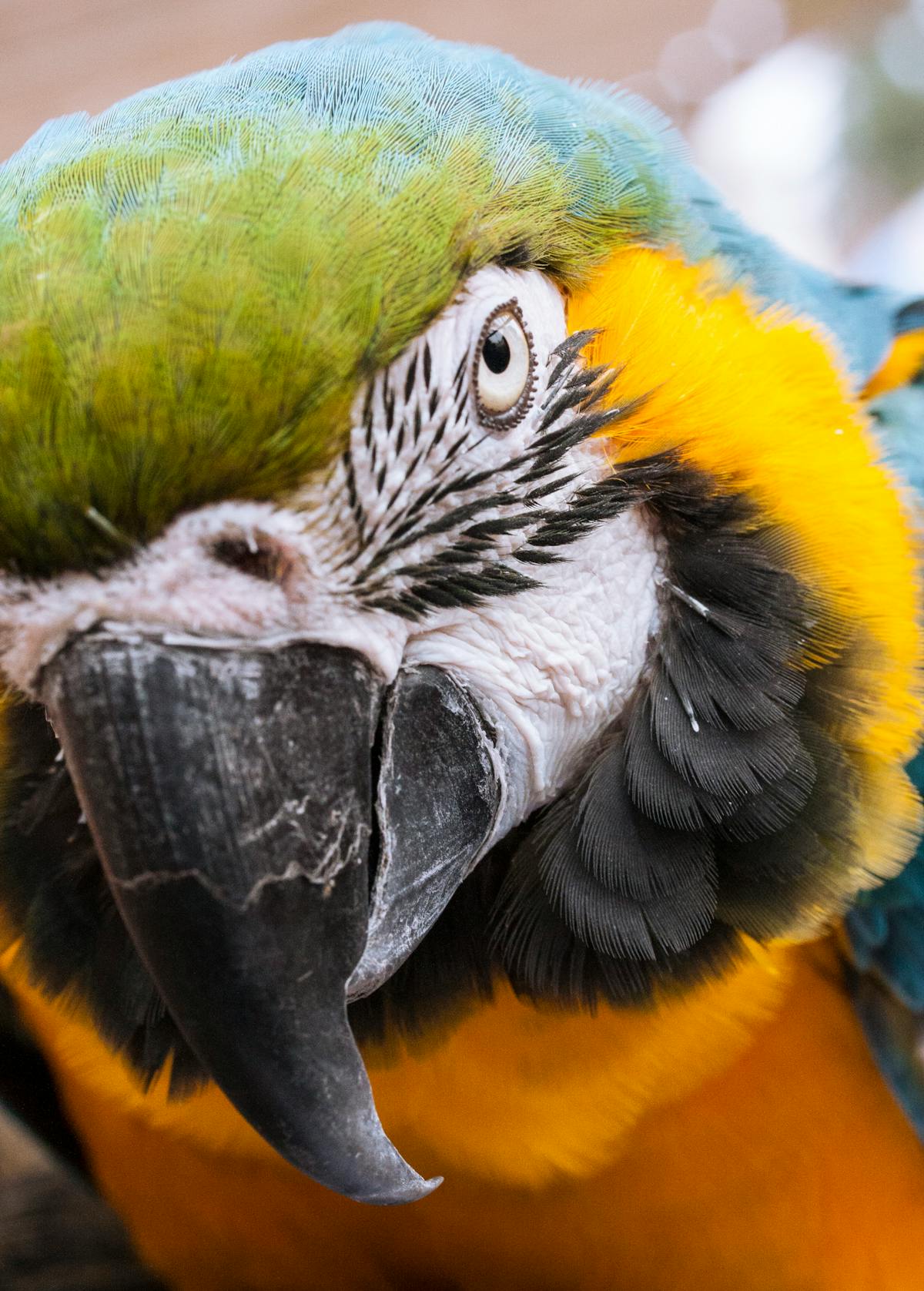
Macaws are the most visually dramatic birds in captivity and consistently produce spectacular birthday photos.
Natural light, full spread. A macaw with wings partially extended in natural light shows the full color range: the Blue and Gold’s electric blue back and vivid yellow chest, the Green Wing’s crimson and green, the Scarlet’s red-yellow-blue pattern. Position near a large window.
The eye close-up. Macaw eyes pin during excitement and the facial patch coloring (the bare facial skin with feather rows visible in Blue and Gold) is distinctive at macro range.
Size context. A macaw with a keeper’s arm extended for scale shows the actual size of these birds in a way that’s striking to people who haven’t seen one in person.
How Long Do Macaws Live?
Blue and Gold macaws live 50 to 60 years in captive care. Green Wing macaws are similar. Scarlet macaws have been documented living past 70 years. These birds are multigenerational commitments. A macaw at year 20 is in the first third of its expected captive lifespan. Estate planning for a macaw is appropriate and common among serious keepers.
Parrot Birthday Supplies
Parrot birthdays are about foraging enrichment and treat variety:
- Litewoo Bird Foraging Feeder (Stainless Steel), fruit, vegetable, and seed holder. Works for African greys, macaws, conures, and similar birds.
- CIEZZU Bird Foraging and Chewing Toy Set, multiple foraging elements for medium and large parrots.
- Bird Spinner & Foraging Basket Set, mental enrichment basket plus spinning rattle toy.
Sources
- VCA Hospitals: Macaws
- ASPCA Animal Poison Control: People Foods to Avoid Feeding Your Pets
For the cockatoo birthday (similarly large, differently demanding): Cockatoo Birthday Party Ideas
For the Amazon birthday (comparably long-lived, more vocally focused): Amazon Parrot Birthday Party Ideas
- You
- Your pets
- Confirm