
Lovebird Birthday Party Ideas: Celebrating Your Agapornis
Lovebird birthday ideas for pair-bonded and solo lovebirds: the birthday chop, safe treats for these small but mighty parrots, enrichment that works for one of the most territorially confident small birds in the hobby.
As an Amazon Associate we earn from qualifying purchases.
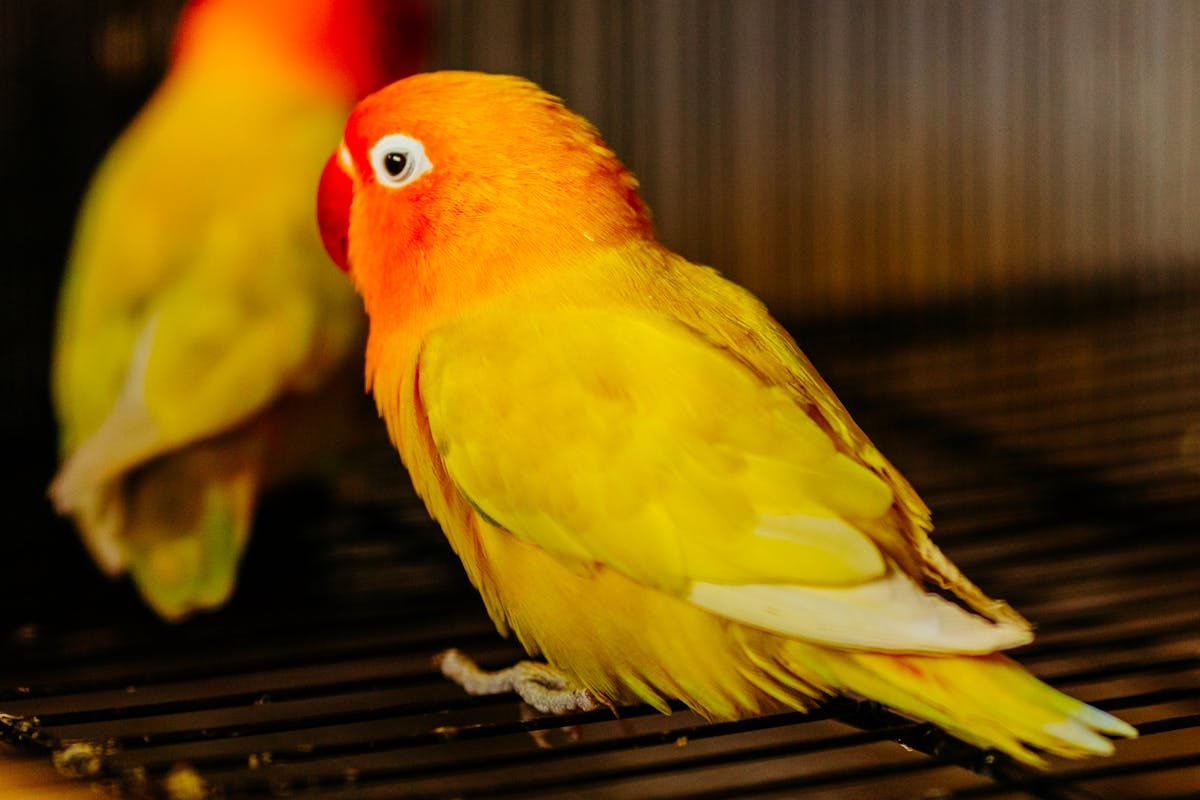
Lovebirds are small parrots with opinions well above their size class. A peach-faced lovebird (Agapornis roseicollis), Fischer’s lovebird (A. fischeri), or masked lovebird (A. personatus) will absolutely run the birthday on their own terms regardless of your plans. The celebration is a fresh chop of bird-safe vegetables, a safe fruit treat, enrichment that engages their shredding and nesting instincts, and an honest acknowledgment that lovebirds kept as bonded pairs are celebrating as a pair regardless of which bird has the official birthday. The community calls them “lovies” and they earn the nickname by being simultaneously the most affectionate and most dramatic bird per ounce in the hobby.
Teflon Fumes Kill Birds
Non-stick cookware, air fryers, space heaters with non-stick coatings, and any product with polytetrafluoroethylene (PTFE) coating produces fumes when overheated that are lethal to lovebirds and all parrots. Per VCA Hospitals and the ASPCA, this is one of the leading preventable causes of bird death. Birthday food preparation is in stainless steel, cast iron, or ceramic cookware only.
Pair-Bonded vs. Solo Lovebirds
The lovebird birthday format depends on whether you have one bird or a bonded pair.
Bonded pair. Both birds celebrate together. The bonded pair relationship in lovebirds is genuine and intense: they preen each other, sleep together, and are distressed by separation. A birthday that involves separating bonded lovebirds to give attention to only one is counterproductive. The birthday feast goes to both, the enrichment is for both, and photos typically involve both birds together.
Solo lovebird. Lovebirds are typically recommended to be kept in pairs because of their social nature. A solo lovebird that has been raised with significant human socialization from a young age can bond to their keeper instead, but they often require more frequent interaction and stimulation to avoid behavioral problems. Long hours at the office, frequent travel: a solo lovebird isn’t the right setup for that life. Avian vets and experienced keepers almost always recommend a bonded pair for this reason. That single-person bond runs one-directional, too. A lovebird imprinted on one keeper will often defend the bond by biting or getting aggressive toward anyone else, especially during breeding season, so if the birthday brings other people into the room, keep their interactions brief and let the bird set the pace. The solo birthday is an especially important occasion for extended keeper-bird bonding time.
The Birthday Feast
Lovebirds eat high-quality pellets as their primary food, supplemented with fresh vegetables and limited seeds. Per VCA Hospitals’ lovebird care guide, an all-seed diet is nutritionally inadequate for lovebirds.
Birthday chop. Finely chopped leafy greens (romaine, kale, collard), shredded carrot, bell pepper, corn, broccoli florets. Lovebirds often eat more enthusiastically when food is finely chopped or shredded rather than in large pieces.
Safe birthday fruit treats. Apple pieces (seeds removed), pear, mango, papaya, blueberry, pomegranate arils. Small portions alongside the chop.
Seeds as occasional treats only. Seeds are high in fat and low in several critical nutrients. A few seeds as birthday treats alongside the pellet and fresh food base is fine. Seeds as the primary diet is not.
What never appears. Per ASPCA: avocado. Chocolate. Caffeine. Alcohol. Onion and garlic. Apple seeds (cyanide). Cherry pits. Xylitol. Salt. Raw beans. Mushrooms in significant amounts.
Birthday Enrichment
Lovebirds have specific instinctive behaviors that enrichment should engage.
Shredding materials. Lovebirds are instinctive nest builders that tuck nesting material under their wing feathers. Paper, palm fronds, shreddable toys, and fresh willow branches are all materials lovebirds shred and transport enthusiastically. A birthday basket of shreddable materials is among the most appropriate enrichment you can offer.
A foraging toy. Food hidden inside a shreddable container or a simple foraging toy. Lovebirds forage actively and engage with puzzle feeders.
A new perch or swing. Lovebirds are active and territorial: new items in their space are immediately investigated and claimed.
Supervised out-of-cage time. In a bird-safe room (no non-stick cookware active, no open windows, no ceiling fans), supervised flight time is meaningful enrichment for lovebirds.
Photography
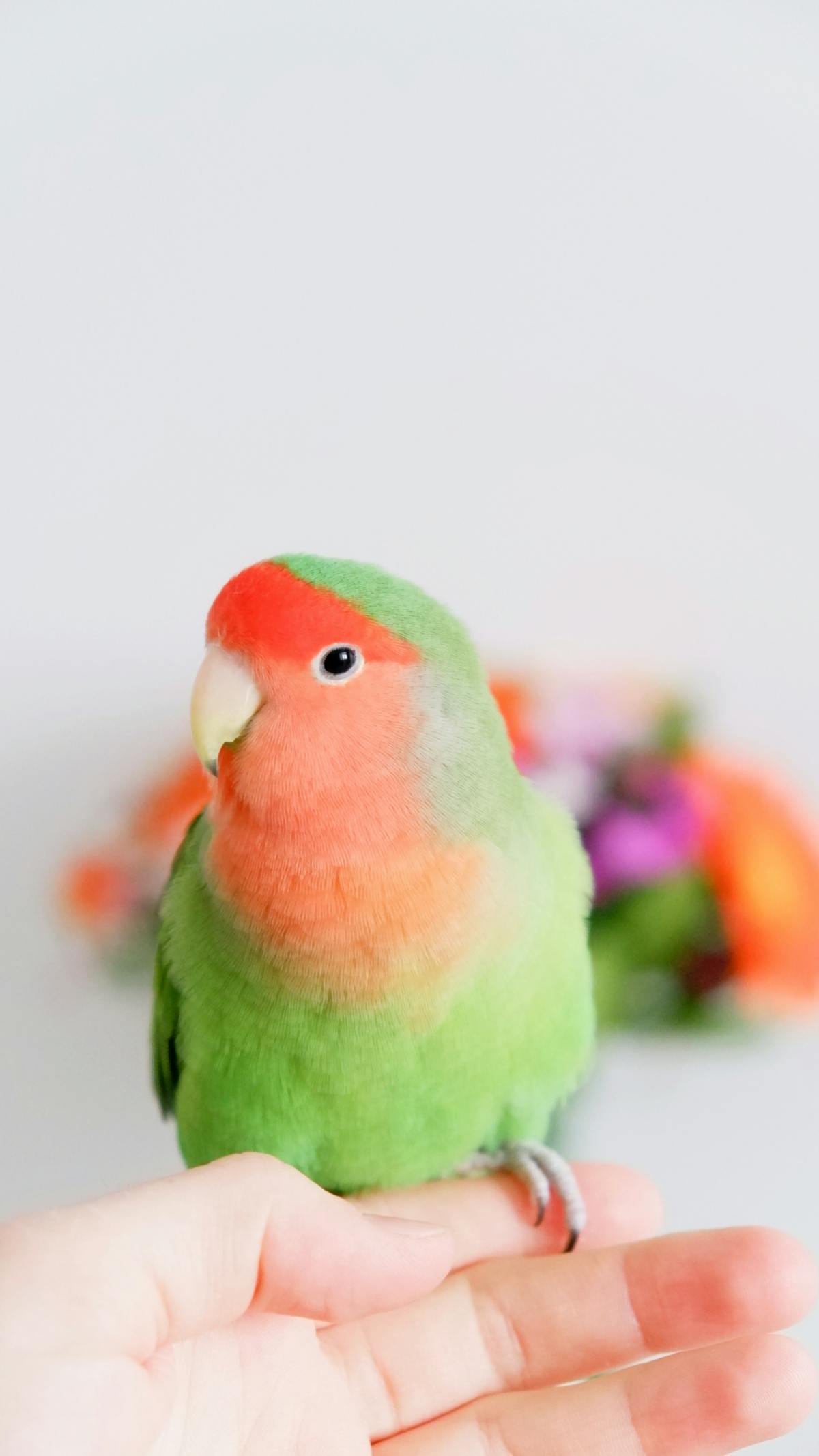
Lovebirds are photogenic in pairs: the mutual preening behavior, the side-by-side perching, and the small size that allows the full bird to appear in a close-up frame make for compelling photos.
The pair preening shot. One bird preening the other’s head, taken at bird level with portrait mode. This is the quintessential lovebird photo and the birthday occasion to get it right.
The face portrait. Lovebirds have distinctive facial markings that vary by species. A close-up of the face showing the full head coloring (the peach face, the masked pattern, or the Fischer’s orange and red gradient) at macro distance is worth the effort.
Color mutation documentation. Lovebirds have a substantial morph market. An annual close-up photo comparing coloring and feather condition is the keeper’s birthday record.
How Long Do Lovebirds Live?
In captivity with proper care, lovebirds typically live 10 to 15 years. Some individuals have reached 20 years. A 10-year birthday for a lovebird represents excellent, consistent care.
Parrot Birthday Supplies
Parrot birthdays are about foraging enrichment and treat variety:
- Litewoo Bird Foraging Feeder (Stainless Steel), fruit, vegetable, and seed holder. Works for African greys, macaws, conures, and similar birds.
- CIEZZU Bird Foraging and Chewing Toy Set, multiple foraging elements for medium and large parrots.
- Bird Spinner & Foraging Basket Set, mental enrichment basket plus spinning rattle toy.
Sources
- VCA Hospitals: Lovebirds
- ASPCA Animal Poison Control: People Foods to Avoid Feeding Your Pets
For the conure birthday (another small social parrot): Conure Birthday Party Ideas
For the parrotlet birthday (even smaller with similar personality): Parrotlet Birthday Party Ideas
- You
- Your pets
- Confirm