
Hamster Birthday Party Ideas: A Solo Celebration (and Why That's Fine)
How to throw a hamster birthday party: safe treats, the Syrian vs. dwarf distinction that changes everything, foraging setups, and how to work with an animal who is both asleep and nocturnal when you want to take photos. PetMD-verified.
As an Amazon Associate we earn from qualifying purchases.
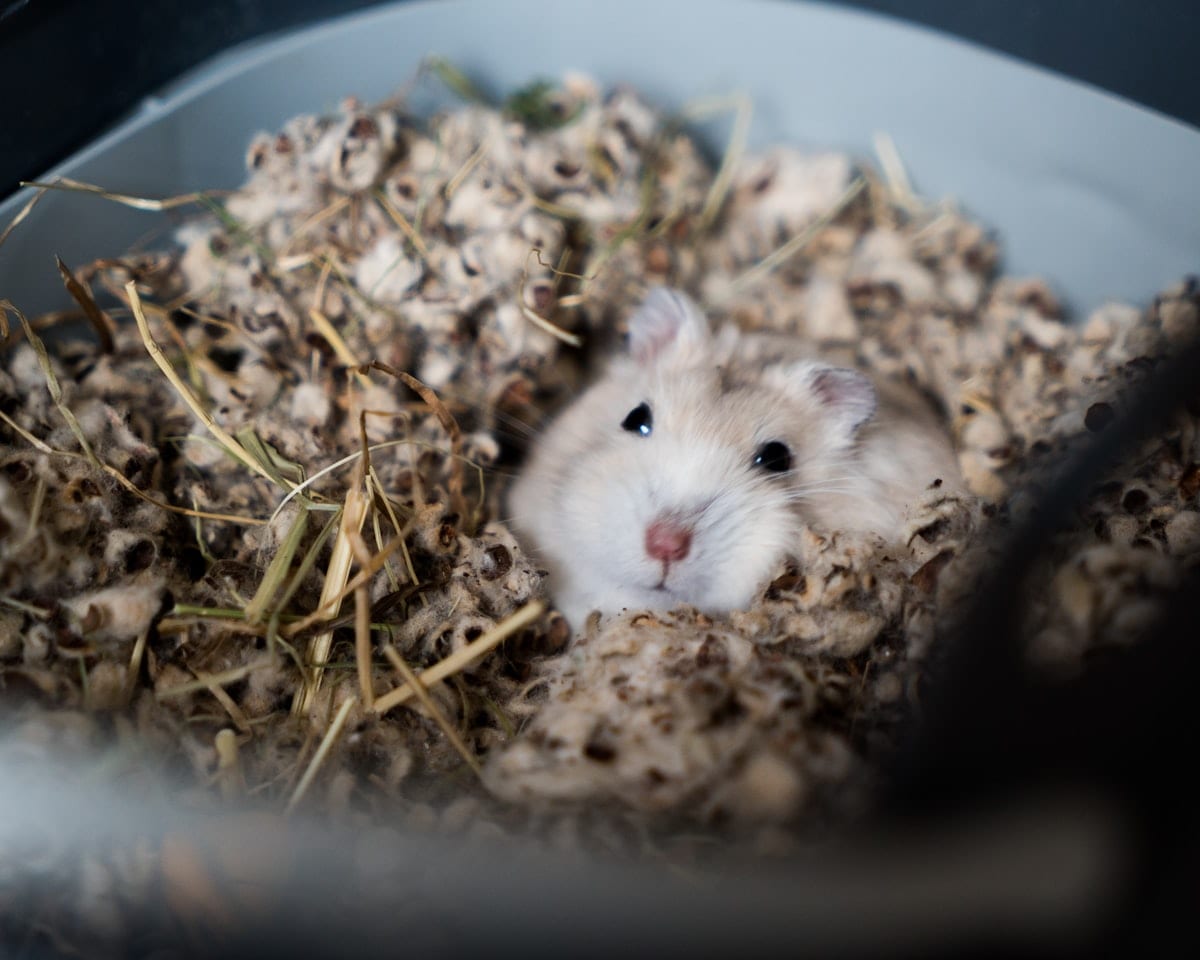
A hamster birthday party is a solo event and that’s entirely the point. Syrian hamsters are solitary animals — one per enclosure, always, by necessity, not preference. Dwarf hamsters sometimes cohabitate but often don’t. Your hamster’s birthday party is intimate. You, the hamster, a new toy, and some carefully chosen treats. Plan it for late afternoon or evening when they’re naturally awake. Keep it calm. The goal is a genuinely good hamster day, not a spectacle. And there’s real appeal in a celebration this focused: no logistics, no guest list, and all the attention goes to one small animal who will absolutely notice. Your hamster won’t know it’s a birthday in any conceptual sense, but they’ll register the new smells, the interesting object in their space, and the treat as a good day regardless of what prompted it. And if you don’t have an exact birth date, which is common for hamsters bought from pet stores, the day you brought them home works just as well as an annual date: the gotcha day party ideas guide covers how to turn that into a tradition.
The Syrian vs. Dwarf Distinction: This Changes the Party
Before anything else, there are two very different birthday party calculations happening here depending on what kind of hamster you have.
Syrian hamsters are the golden, teddy bear, or fancy hamsters most people picture. They’re solitary by biology. Two Syrians together will fight, seriously, regardless of how often someone at a pet store says otherwise. Your Syrian’s birthday party has exactly one hamster. That’s correct. Don’t try to invite another hamster for a “playdate.” Don’t borrow a friend’s hamster for the occasion. Solo is the format.
Dwarf hamsters (Roborovski, Winter White, Campbell’s, and Chinese) are smaller and sometimes kept in same-sex pairs or groups if introduced correctly from a young age. If your dwarfs are bonded and living together already, the party is for the pair or group. If they’re not bonded, treat the birthday the same way as a Syrian event: one hamster, one celebration.
The species distinction also matters hugely for treats. Dwarf hamsters, particularly Campbell’s and Winter White varieties, have a genuinely elevated risk of diabetes compared to Syrians. Their bodies are sensitive to sugar in a way that Syrians are not. High-sugar treats, fruits, fruit juices, honey, and anything sweet should be approached with real caution or avoided entirely for dwarf hamsters. A Campbell’s dwarf who gets a piece of banana every birthday will not thank you for it several years down the line.
One slip-up in the past isn’t a crisis. If your dwarf had a bit of fruit at an earlier birthday and is otherwise healthy, the real concern is a pattern of regular sugar exposure, not a single treat. Switching to the vegetable-only list from here on is the right call regardless of what already happened.
Safe Birthday Treats
Hamsters are omnivores in the wild. Their natural diet includes seeds, grains, insects, and plant matter. The commercial hamster pellet captures most of what they need. Birthday treats are extras, and extras need to be appropriate.
Verified safe birthday treats (per PetMD guidelines):
- Dandelion greens: Nutrient-dense, most hamsters enjoy them. Pick clean, pesticide-free, or buy from a pet store.
- Romaine lettuce: Good water content, generally well-accepted
- Bell pepper (no spicy varieties): Colorful, crunchy, vitamin C-containing
- Cucumber slices: Hydrating, mild, easy to handle
- Broccoli floret (small): Fine as an occasional treat
- Carrot (small piece): Higher sugar, so keep it genuinely small, especially for dwarfs
For Syrian hamsters, small fruit pieces work as infrequent birthday extras:
- Apple slice (every seed removed): A tiny sliver, once in a while
- Blueberry or strawberry: Small, one or two
- Banana (very small piece): High sugar, treat as a special occasion item
For dwarf hamsters especially: skip the fruit entirely and stick to the vegetable list. The greens and vegetables provide novelty and enrichment without the sugar risk.
What to avoid and why:
Citrus fruits cause gastrointestinal distress in hamsters. No oranges, lemons, limes, or grapefruit.
Onion and garlic: toxic. All allium family plants.
Apple seeds, cherry pits, peach pits, and other fruit pits: contain amygdalin that converts to cyanide compounds in the body. Remove every seed before serving apple.
Tomato leaves and stems: toxic. The ripe tomato fruit is fine in small amounts; the plant material is not.
Raw kidney beans: toxic.
Spicy peppers: GI distress. Stick to sweet bell pepper varieties.
Iceberg lettuce: very high water content, minimal nutrition, and in quantity it causes diarrhea.
Sticky foods (peanut butter, honey, thick nut pastes): the cheek pouches are one of the most distinctive things about hamsters, and sticky food is a genuine cheek pouch impaction risk. Avoid anything that could get stuck in there.
Sugary human treats (candy, cake, cookies, chocolate): none of these are appropriate. Hamster diabetes is real and common, particularly in dwarf species. No birthday exception.
Wax, dye, or anything decorative near the food: skip it. No candles, no synthetic cake toppers, nothing in or near the enclosure that isn’t edible.
Cheek Pouches and the Birthday Moment
Here’s the thing nobody warns you about before the first hamster birthday: your hamster will likely not eat the birthday treat in front of you. They will stuff it into their cheek pouches at remarkable speed and then go cache it somewhere in their enclosure. The cheek pouches extend all the way back past the shoulders. A hamster with full cheeks looks exactly like they swallowed a tennis ball.
This is completely normal. Hamsters are prey animals. Eating in the open is dangerous in the wild, so they’ve evolved to grab and run. Your hamster isn’t being rude. They’re doing hamster things.
If you want the birthday photo moment to be “hamster eating treat,” serve the treat in a confined space where they can eat with some cover. A small cardboard hideout with the birthday food inside. A toilet paper tube on its side with a treat inside. They’ll often eat in a place where they feel protected, which gives you the shot.
The Birthday Enrichment Setup
The best hamster birthday gift is new things to explore and new things to shred, tunnel through, or cache food in.
New bedding section: Fill a corner of their enclosure with a type of bedding they haven’t had before, or a deep pile of their usual bedding in a new configuration. Hamsters love to burrow. A fresh deep pile is genuinely exciting to them.
A new hideout: A small wooden house, a coconut shell, or a terracotta pot on its side. New shelter to investigate and potentially claim as a sleeping spot. Most hamsters will spend a significant part of the birthday exploring and approving (or disapproving) of the new house.
Foraging in the bedding: Instead of putting birthday treats in a dish, scatter them through the bedding and let the hamster find them. This is what they do in the wild: forage for dispersed food. The mental engagement of hunting is better enrichment than discovering a pile.
Toilet paper tube treats: Fold the ends of a toilet paper tube closed, fill with bedding and a piece of vegetable, and let the hamster figure out how to get in. Works every time. Costs nothing.
New wheel or wheel upgrade: Hamsters run between 5 and 8 miles a night on their wheels, which is not an exaggeration. A quality wheel (solid running surface, large enough that the hamster’s back isn’t arching, quiet enough that you can sleep) is genuinely one of the best hamster gifts. For Syrians, the minimum is an 8-inch wheel, though 10 to 11 inches is better. For dwarfs, 6 to 8 inches. A well-made silent spinner wheel runs $15 to $30 and gets used for years.
None of this requires a hamster who’s willing to be handled. If yours bites or just isn’t into being picked up, set the enrichment up inside the enclosure instead: scatter the treats through the bedding, add the new hideout, let the new wheel sit there. Watch from outside and you can still get photos through the glass. The birthday is about what they get to experience, not whether you hold them.
Timing the Party Right
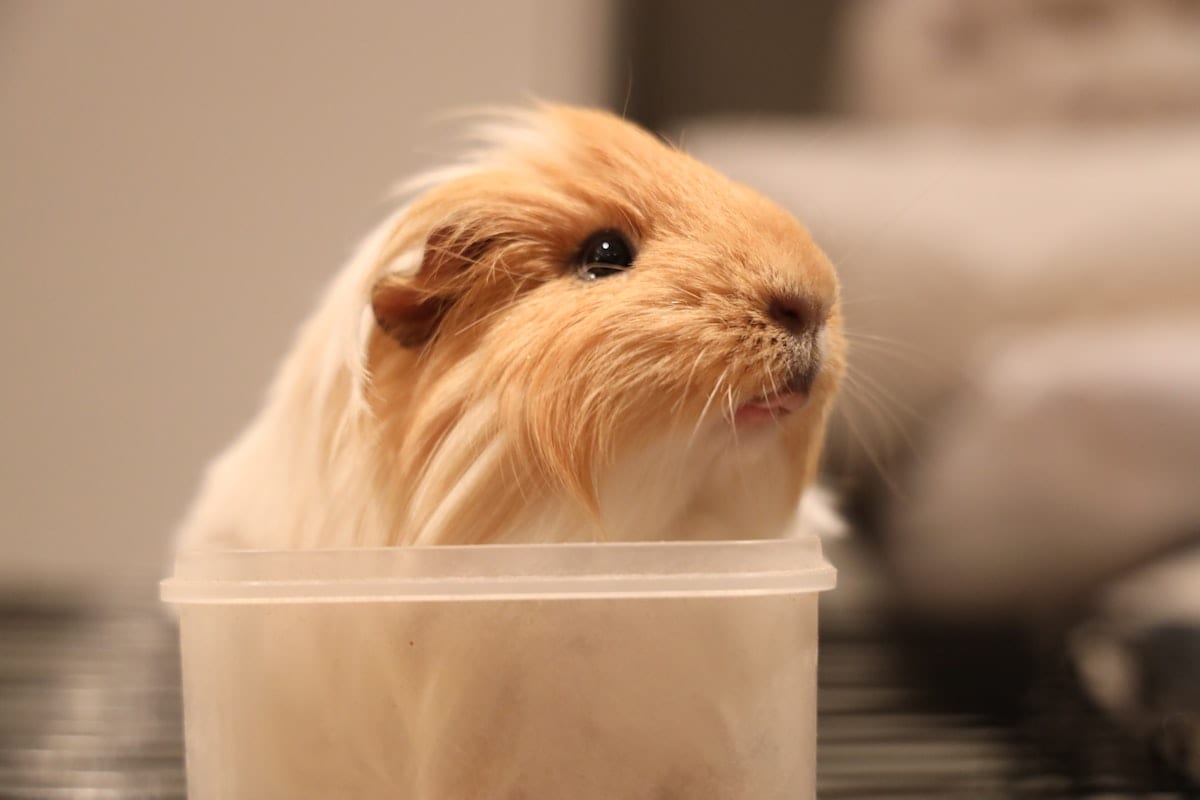
Hamsters are crepuscular to nocturnal. Most Syrians are most active at dawn and dusk, with peak activity in the evening hours. A birthday party scheduled for 2pm is a party where the guest of honor is asleep and annoyed about being woken up.
Plan birthday activities for late afternoon, evening, or whenever you know your specific hamster is typically active. Every hamster has its own rhythm, and if you’ve had yours for any length of time, you already know when they’re reliably up and moving.
A hamster who is handled when they’re sleepy is a hamster who is more likely to bite, more likely to be disoriented, and genuinely less happy. The party respects their schedule, not the other way around.
There’s no fixed length for the active part either. Let their energy decide: if they’re still engaged and exploring, keep going, and once they start grooming or looking for a corner to settle into, that’s the wrap signal. A short, focused session beats a long drawn-out one every time.
Getting the Birthday Photo
Hamsters are small, fast, and often in motion. Getting a good birthday photo requires some patience and the right setup.
The setup: a small, clean, enclosed surface where the hamster can explore without running off the edge. A wooden tray, a shallow cardboard box, a fleece-lined table area. Clean backgrounds. Natural light from a window, not flash.
The timing: right after they’ve eaten a bit and calmed down from initial excitement, before they decide they want to explore the entire table. That 5-minute window when they’re curious but not manic.
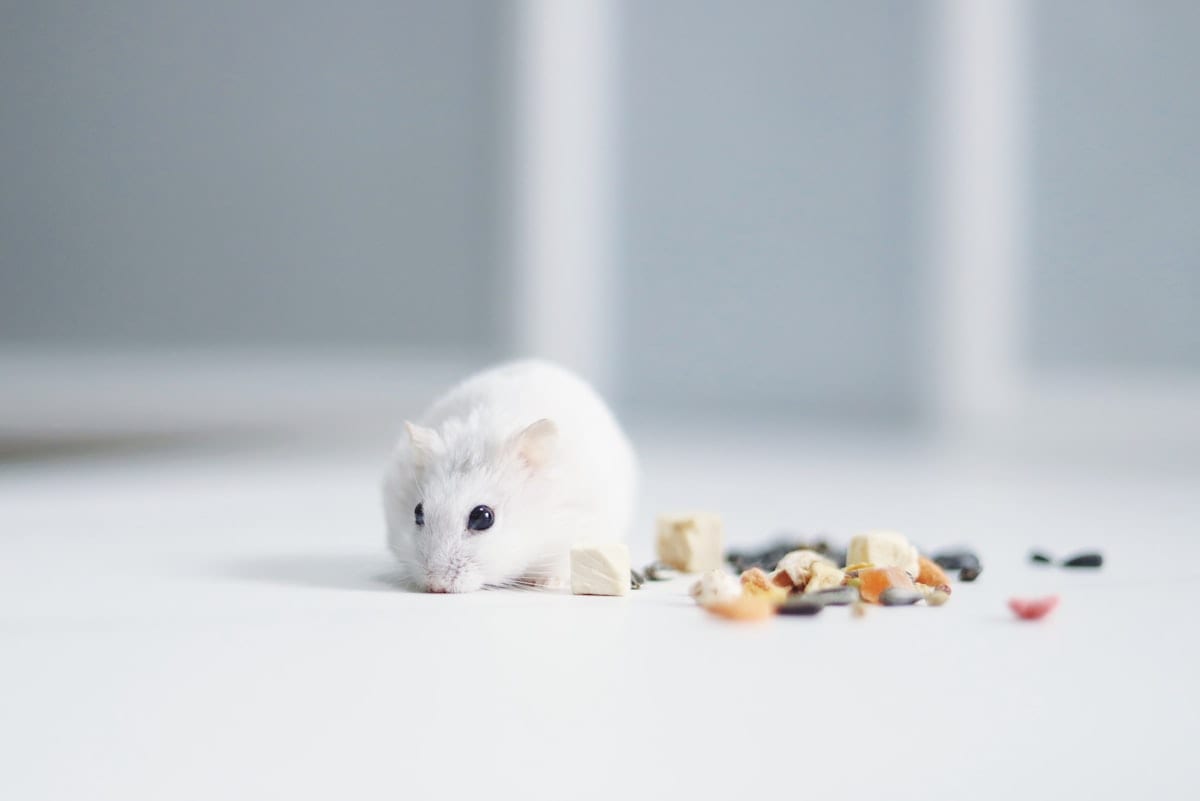
What works: a birthday treat placed on the surface in front of them, then waiting. They’ll approach, sniff, pick it up. That moment of holding the treat and evaluating it: that’s the shot. Burst mode recommended.
What doesn’t work: picking them up, holding them against a backdrop while someone else takes a photo, and hoping they hold still. They won’t. Floor-level photos of the hamster in their environment are almost always better than staged held-hamster shots.
Hamster Birthday Supplies
The best hamster party runs on foraging enrichment:
- HGPOKLVT Pet Birthday Cake Grass Treat, natural grass birthday cake toy. Safe for hamsters, chinchillas, and small rodents.
- Vitakraft Bursts Treats, vitamin-rich, real berry center. Appropriate serving size: 1-2 per session.
- Kaytee Chew & Treat Toy Box, chew enrichment assortment for small pets. Birthday enrichment kit.
Sources
- PetMD: What Can Hamsters Eat?
- ASPCA: Small Pet Care
- You
- Your pets
- Confirm