
Giant African Millipede Birthday Party Ideas: Celebrating the World's Largest Millipede Pet
Giant African millipede birthday ideas from keepers who know the species: the birthday feast, substrate refresh, handling tips, and why this shy invertebrate makes for a surprisingly rewarding birthday.
As an Amazon Associate we earn from qualifying purchases.
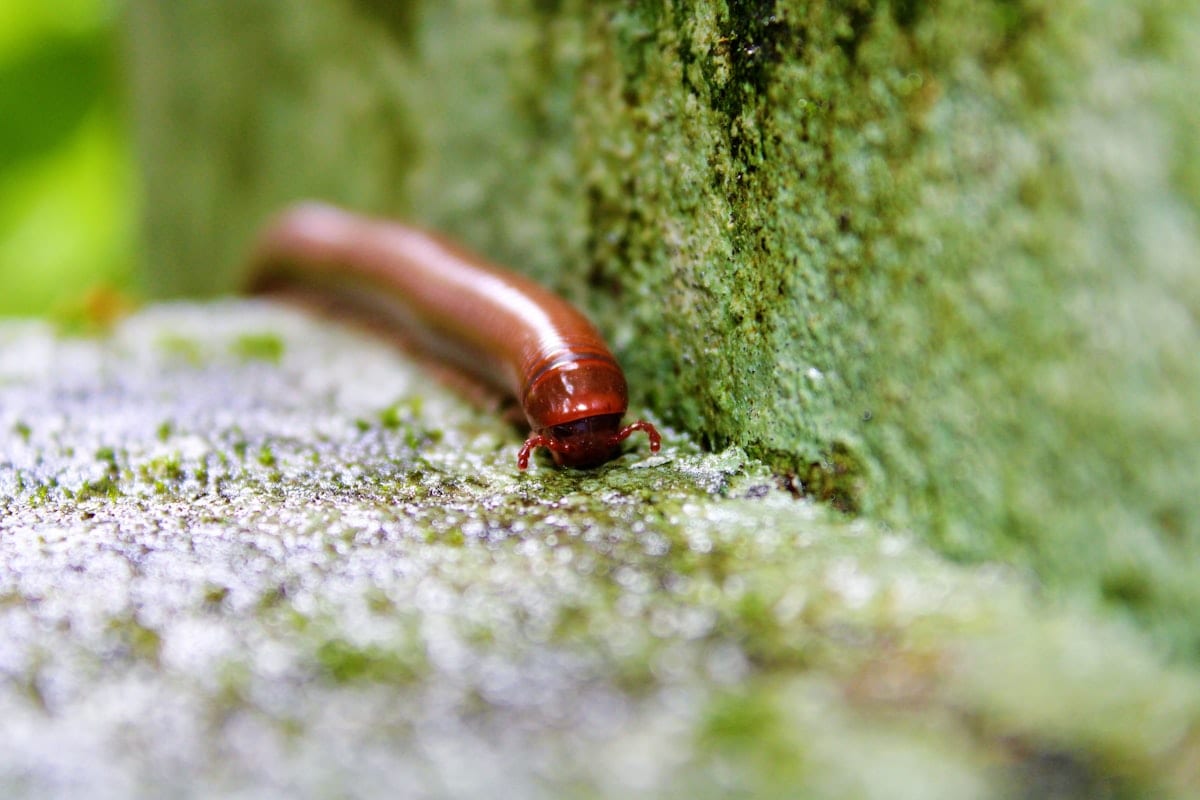
Giant African millipedes (Archispirostreptus gigas) are the low-maintenance heavyweight champions of the invertebrate hobby. Adults reach 11 to 13 inches, walk with a deliberate wave-like leg motion that’s oddly calming to watch, and spend most of their lives exploring their enclosure and eating decaying matter. The birthday celebration is a fresh food spread, a substrate refresh, a brief handled photo session, and an appreciation for an animal that asks very little and delivers a lot in terms of visual interest. Millipede keepers are a specific subset of the invertebrate hobby and the birthday is real.
The Birthday Feast
Giant African millipedes are detritivores. They eat decaying plant matter, fruits, and vegetables. This is the diet they’re built for and the birthday feast should lean into it.
Rotting leaf litter. The most natural and nutritionally appropriate food for giant African millipedes. Oak, maple, or beech leaves that have partially broken down are ideal. A fresh pile of appropriately decomposed leaves is a better birthday gift than any commercial food.
Fresh fruits. Cucumber, apple, zucchini, melon, papaya. Most millipedes eat these readily. The cucumber and zucchini are community favorites because the moisture content helps with hydration. For the birthday feast, a variety plate of sliced fresh fruit and vegetable is the centerpiece.
Root vegetables. Carrot pieces, sweet potato. Accepted and nutritious.
Leaf substrate. If you use a leaf-based substrate in the enclosure, the millipede forages through it constantly. Refreshing the leaf substrate on the birthday is a genuine feeding upgrade.
Calcium source. Millipedes need calcium for exoskeleton synthesis. A piece of cuttlebone (widely available as a bird supplement) placed in the enclosure is a standard community recommendation. Replace it on the birthday.
What to avoid. Citrus (too acidic). Highly processed food of any kind. Pesticide-treated produce. Wild-collected leaves from areas that may have been sprayed. The digestive sensitivity of millipedes to chemical contaminants is high.
Substrate Refresh for the Birthday
The enclosure substrate is the millipede’s entire world: they live in it, eat it, sleep in it, and molt in it. The birthday is the ideal occasion for a substrate refresh.
Appropriate substrate. A mix of coco fiber, leaf litter (partially decomposed), and clean topsoil. Depth of 4 to 6 inches. This allows burrowing and provides a consistent food source.
Humidity. The substrate should be moist enough to hold a shape when squeezed but not soaking wet. Giant African millipedes from tropical West and Central Africa need consistent humidity: 70 to 80%.
Temperature. 72 to 80°F ambient. Room temperature in most homes is adequate for this species.
The substrate refresh process. Remove the millipede temporarily to a secure holding container. Remove and discard old substrate. Clean the enclosure. Add fresh substrate mix. Reintroduce the millipede. Watch it immediately begin exploring the new territory, which is the birthday enrichment activity.
Giant African millipedes are communal, unlike a lot of invertebrates in the hobby, so a birthday refresh is also a good time to think about whether a single animal wants company. Keeping more than one works fine in a larger enclosure with enough food and substrate to go around. It’s one of the more forgiving cohabitation setups in the invertebrate world.
Handling for the Birthday Photo
Giant African millipedes are one of the more handleable invertebrates in the hobby. Most individuals are docile, move slowly, and show no defensive behavior unless stressed.
The defensive chemical. When stressed, giant African millipedes secrete a defensive fluid from pores along the body (repugnatory glands). It can temporarily stain skin yellow or brown and irritate sensitive individuals, so wash it off with soap and water and avoid touching your face, especially your eyes, until you have. The fluid isn’t acutely toxic to humans, but prolonged skin contact isn’t recommended. Wash hands after handling.
The birthday handling session. Place your hand flat in front of the millipede and let it walk onto your hand. The movement of a large millipede’s legs across your skin is distinctive: a wave-motion ripple of hundreds of legs. This is the reason millipede keepers handle them regularly. Keep the session to 10 to 15 minutes.
Never grab from above. Millipedes will curl defensively if grabbed. Approach from the front, let them walk on voluntarily.
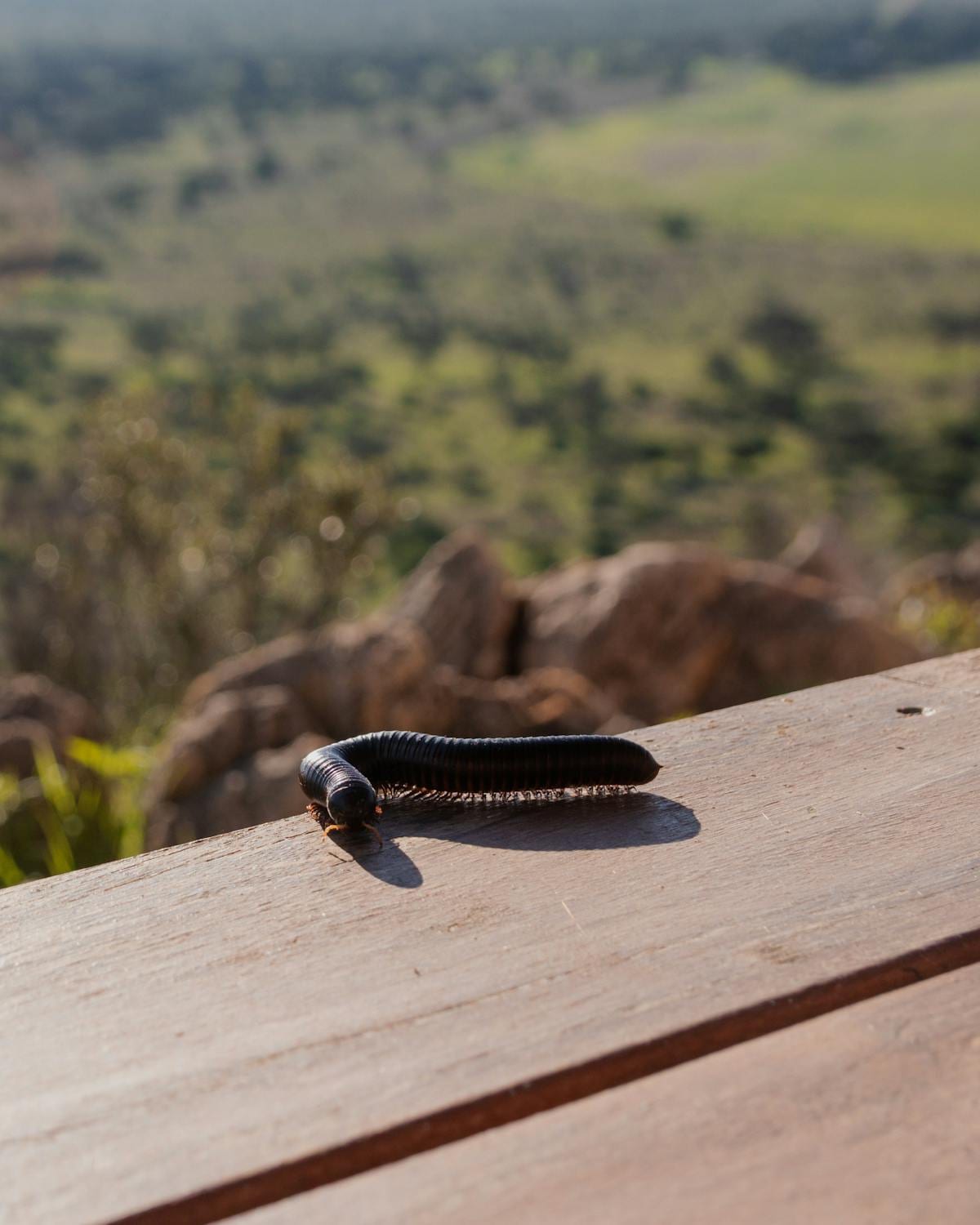
The birthday photo. A giant African millipede on a hand, from above, showing the full body length and the leg wave. Black or dark backgrounds make the dark exoskeleton and lighter leg segments visible. Natural light is adequate.
How Long Do Giant African Millipedes Live?
Giant African millipedes typically live 5 to 7 years in captivity with good care. Some individuals have reportedly reached 10 years. They grow slowly and molt periodically throughout their lives. Each molt is a significant event: the millipede curls up, the exoskeleton splits, and the millipede emerges slightly larger. The birthday is a good occasion to note the current size and document any visible growth since the last measurement.
Don’t be surprised if the birthday millipede is nowhere to be seen. Giant African millipedes burrow and can stay underground for days, sometimes weeks, especially in the lead-up to a molt. Unless it’s been buried for more than a month with no surface activity and something else seems off, this is normal. Keep the humidity where it needs to be and leave fresh food at the surface for whenever it decides to come up.
Community and Birthday Traditions
The giant African millipede community is a subset of the broader invertebrate hobby, and it’s smaller but dedicated. Keeper groups exist on Facebook and Reddit (r/millipedes). Birthday posts in these communities usually feature:
- A length measurement (in cm or inches)
- A handled photo showing the full body
- A note on any molts that have occurred in the past year
The millipede community tends to be interested in natural history and correct taxonomy, so noting the species correctly (Archispirostreptus gigas for the most common large species) and any morph or locality information you have is appreciated.
Party Supplies
- Cuttlebone Calcium Supplement, for the birthday exoskeleton-synthesis calcium refresh.
- Terrarium Mister Spray Bottle, for the 70-80% humidity this species needs.
- Coco Fiber and Leaf Litter Substrate Mix, for the birthday substrate refresh.
Sources
- Smithsonian’s National Zoo: Giant African Millipede
- ASPCA Animal Poison Control Center: Animal Poison Control
For the emperor scorpion birthday (another West African invertebrate): Emperor Scorpion Birthday Party Ideas
For the general exotic birthday framework: Pet Birthday Party Guide
- You
- Your pets
- Confirm