
Giant African Land Snail Birthday Party Ideas: Celebrating Your GALS
Giant African land snail birthday ideas from keepers in countries where GALS are legal: the birthday feast with safe vegetables and calcium, the enclosure refresh, and how the GALS community marks the occasion.
As an Amazon Associate we earn from qualifying purchases.
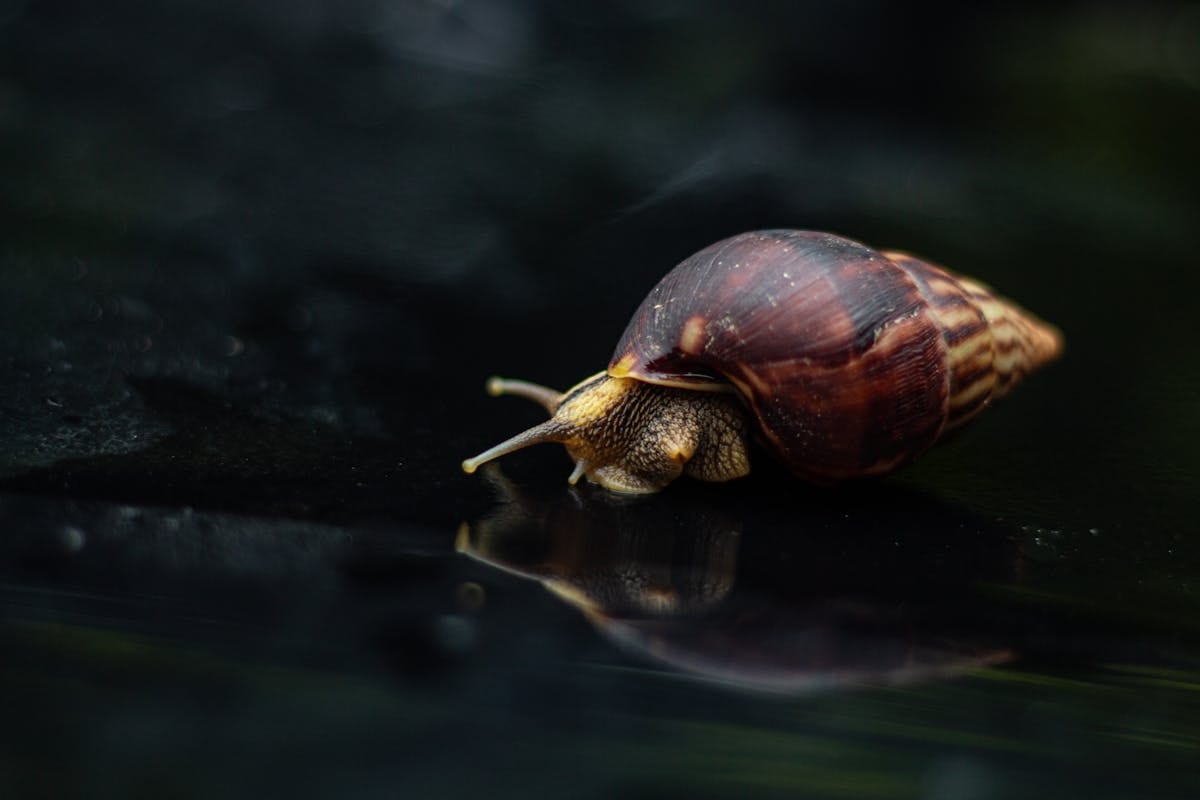
Giant African land snails are illegal to keep in the United States (USDA prohibits them as agricultural pests) and several other countries. If you’re reading this, you’re either in a country where they’re legal (UK, much of Europe, Japan, Southeast Asia) or you’re planning for a permitted species within the US. Assuming you’re in a legal keeping situation: the GALS birthday is a fresh food spread, a calcium source upgrade, a humidity and enclosure check, and a photo session that shows off how large your snail has grown. These animals grow continuously for the first few years and the size comparison photos are genuinely impressive.
Legal Status First
United States: Giant African land snails (Achatina fulica and related species) are federally prohibited. Keeping them without a USDA permit is illegal. This is not a technicality. They are serious agricultural pests with no legal path to pet ownership for most US residents.
United Kingdom: Legal to keep as pets. Common in the UK hobby community.
Europe: Legal in most countries. Check national regulations as some EU member states have restrictions.
Japan, Southeast Asia, Australia: Check local regulations. Australia prohibits them; Japan allows them in some contexts.
This article is written for keepers in jurisdictions where GALS are legal.
Giant African land snails reproduce readily in captivity, and that’s exactly why the restrictions above exist. If your snail lays eggs, collect them and freeze the clutch to kill it before disposal. Don’t let eggs hatch and don’t release them. That rule holds even where keeping the species is legal: releasing viable eggs or hatchlings into the environment is illegal in most countries because of the invasive-species risk that got GALS banned from the US in the first place.
The Birthday Feast
Giant African land snails are primarily herbivores. The birthday feast is a fresh vegetable and fruit spread with an emphasis on calcium.
Leafy vegetables. Kale, romaine lettuce, rocket (arugula), mustard greens, cabbage. Most GALS eat leafy greens readily. For the birthday, a variety spread of several different greens is ideal.
Vegetables. Cucumber, zucchini, sweet pepper, carrot. These provide moisture as well as nutrition.
Fruit (in moderation). Strawberry, watermelon, apple, pear. Most GALS like fruit. Keep it as a smaller portion of the birthday meal due to sugar content.
Calcium source. This is critical. Giant African land snails need significant calcium to build and maintain their shells. A piece of cuttlebone, crushed eggshell (clean and baked), or a designated calcium supplement block should always be available. For the birthday, replace the calcium source with a fresh one.
What to avoid. Salt (highly toxic to snails). Acidic foods (citrus, tomato) in quantity. Processed foods. Anything with pesticide residue. Avocado.
The birthday presentation. A plate or flat piece of slate with a variety of foods arranged on it, placed in the enclosure. The snail will emerge and forage through it over the next several hours. Film the emergence and foraging sequence.
Enclosure Care on Birthday Day
Humidity. 70 to 90%. Giant African land snails are tropical animals requiring consistently high humidity. Mist the enclosure before the birthday feast. If your snail retracts deep into its shell and seals the opening with a dried mucus membrane, it’s estivating, a dormancy response the animal falls back on when humidity or temperature drops out of range. Keep misting and adjusting the heat and it should emerge again as conditions recover. Don’t try to pry it out. Estivation that runs past a few weeks under otherwise correct conditions is worth a call to a vet experienced with gastropods, since there are other causes of long dormancy too.
Temperature. 70 to 80°F (21 to 27°C). Room temperature in most homes is adequate if you’re in a warm climate. A heat mat on one side for cooler rooms.
Substrate. Coco fiber, topsoil, or a mix. Several inches deep to allow burrowing. The birthday is a good occasion to refresh the substrate if it’s been more than a month.
Shell inspection. The birthday is a natural occasion to inspect the snail’s shell for cracks, holes, or growth issues. A well-maintained snail should have a smooth, growing shell edge. Document the shell size (height and width measurement) on the birthday as an annual record.
The Birthday Photo Session
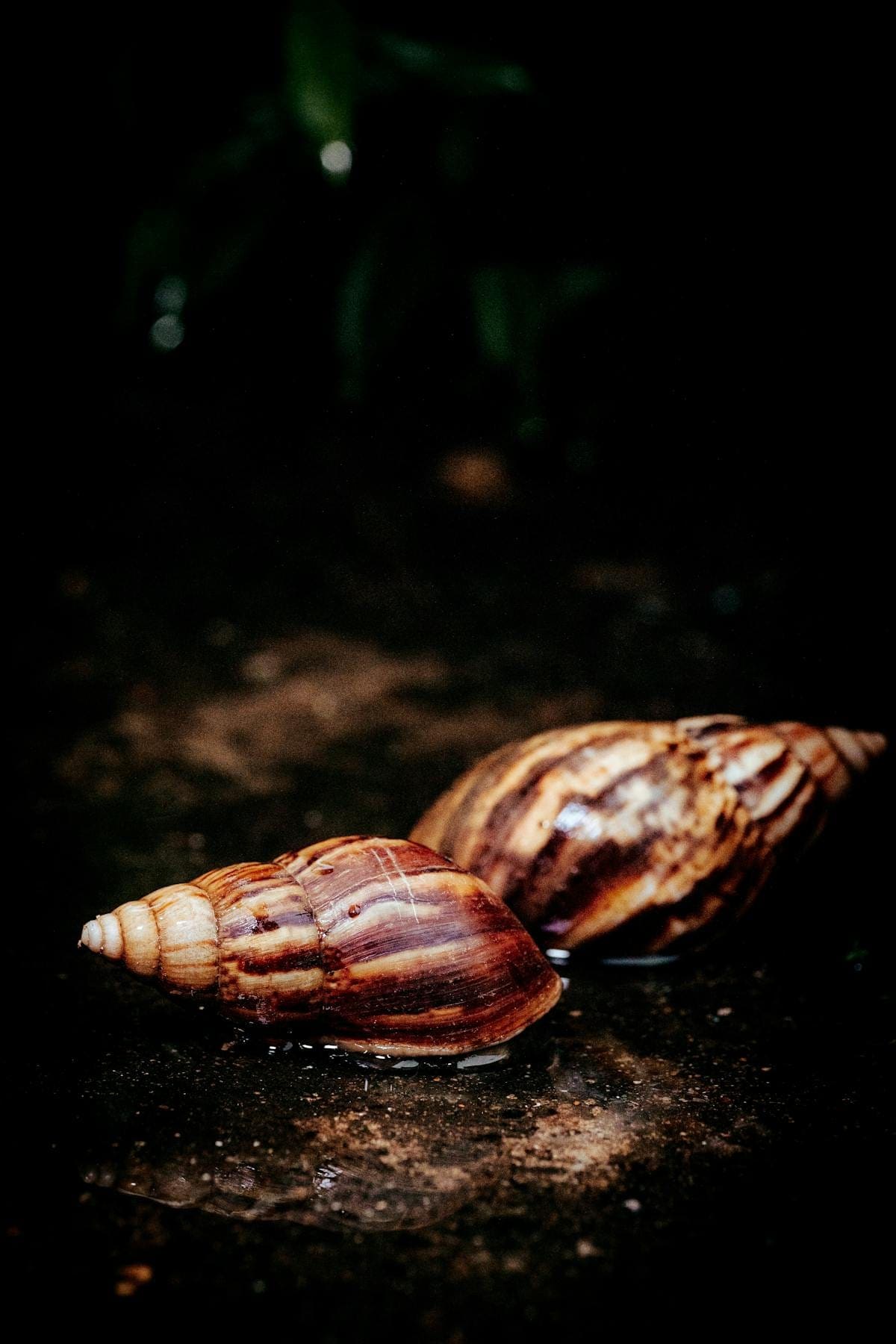
Giant African land snails are surprisingly photogenic. The shell alone is visually interesting: the spiral pattern, the coloring, and the size in context. The extended body with the stalked eyes looking around is striking.
The size documentation photo. A hand next to the snail for scale, or a measurement tape alongside. GALS grow significantly in the first 1 to 3 years and the comparison from year to year is dramatic.
The face close-up. The stalked eyes of a GALS, each on a retractable stalk, are distinctive at close range. A macro shot from the front with both eye stalks visible is the classic GALS portrait.
The eating video. GALS eat by rasping food with their radula (a tongue-like organ covered in tiny teeth). The rasping sound is audible and visible in video. A close-up video of a GALS eating a strawberry is popular content in the community.
Outdoor photos, with real limits. In countries where GALS are legal to keep, a supervised outdoor forage in a contained space, on warm, humid days, is genuine enrichment and makes for good photos. It should never happen in an open yard or anywhere the snail could escape into wild habitat or reach agricultural plants. The invasive-species risk that drives the legal restrictions on this animal is exactly what an escaped snail (or a dropped egg) would create.
How Long Do GALS Live?
Giant African land snails typically live 5 to 7 years in good captive conditions, with some individuals reportedly reaching 10 years. They grow continuously for the first 3 to 4 years and then slow significantly. The birthday documentation of size is particularly valuable in the first few years when growth is rapid.
Community and Birthday Traditions
The GALS keeping community is particularly active in the UK, where the hobby has been established for decades. The community forum (Giant-Snails.org and associated Facebook groups) has dedicated birthday celebration threads. Common birthday post format:
- A size comparison from the previous year
- Shell measurements (height, width, whorl count)
- Diet notes (what the snail ate most in the past year)
- A close-up photo of the face or shell
Party Supplies
- Cuttlebone Calcium Supplement, fresh calcium source for the birthday shell-building feast.
- Terrarium Mister Spray Bottle, for the birthday humidity refresh (GALS need 70-90%).
- Coco Fiber Substrate Brick, for the birthday substrate refresh.
Sources
- USDA APHIS: Giant African Snail
- ASPCA Animal Poison Control Center: Animal Poison Control
For the general exotic birthday framework: Pet Birthday Party Guide
For the giant African millipede birthday: Giant African Millipede Birthday Party Ideas
- You
- Your pets
- Confirm