
Eclectus Parrot Gotcha Day: Marking the Anniversary of the Most Misunderstood Parrot
Eclectus parrot gotcha day ideas: the fresh-food anniversary feast that avoids artificial additives, the male vs. female behavioral observation tradition, the toe-tapping welfare check, and why eclectus gotcha days carry particular weight.
As an Amazon Associate we earn from qualifying purchases.
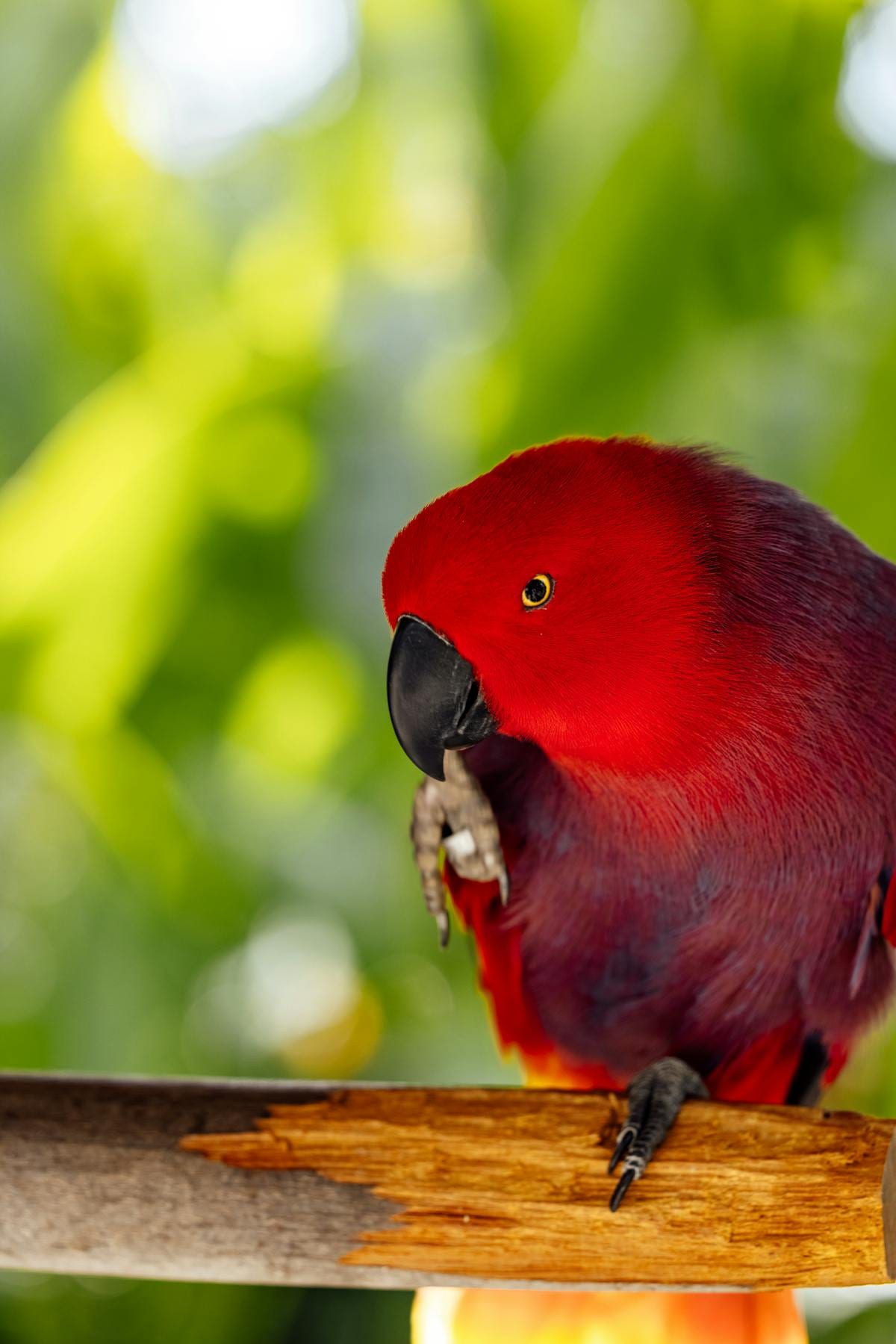
Eclectus parrots are frequently misunderstood by new keepers because the males and females look so different that early researchers thought they were different species. The gotcha day is, among other things, an annual opportunity to assess whether the bird you’ve been living with is as healthy as it should be. Eclectus birds show dietary and environmental problems through behavioral symptoms (toe-tapping, wing flipping, feather issues) more visibly than most parrots, and the anniversary is a natural behavioral health checkpoint. The fresh-food feast comes first; the welfare check is part of the tradition.
Teflon Warning
Non-stick cookware fumes kill birds. All gotcha day food in stainless steel, cast iron, or ceramic only.
The Anniversary Fresh-Food Feast
Eclectus birds need a diet much higher in fresh food than most parrots, per VCA Hospitals. The gotcha day feast is the annual high-quality fresh food showcase: the best quality produce you can source, the most variety of safe items, and an honest limit on pellets (which should be natural and uncolored for this species specifically).
Anniversary chop: dark leafy greens (collard, kale, Swiss chard), bell pepper, sweet potato, broccoli, carrot, corn, peas.
Fruit centerpiece: papaya is a community standout for eclectus birds. A fresh papaya piece on the gotcha day is a meaningful upgrade. Also: pomegranate seeds, mango, fig, blueberries, strawberry.
No artificial pellet additives. Per VCA Hospitals, artificial colors and preservatives in commercial diets are specifically problematic for eclectus birds and associated with toe-tapping and feather issues. If the gotcha day includes pellets, they must be natural formulations without artificial coloring.
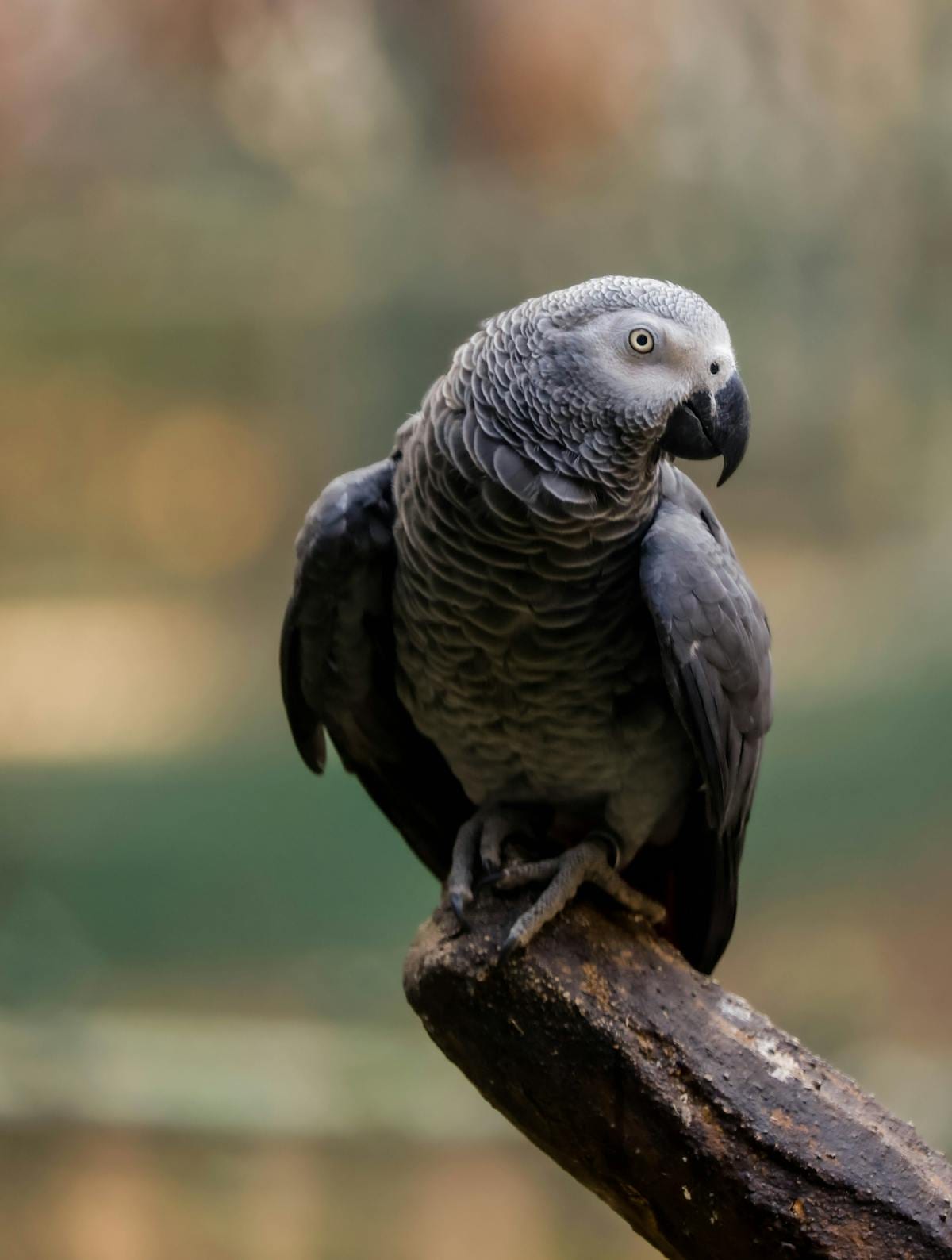
Not the same plate as an African grey. If you keep both species, don’t copy the feeding plan over. African greys tolerate a higher percentage of pellets in the daily diet; eclectus need fresh food to make up the majority, and the fruit portion can run more generous for eclectus than it would for a grey.
No-list: avocado, chocolate, onion, garlic, fruit seeds and pits, alcohol, xylitol.
The Annual Behavioral Health Check
The eclectus community includes an annual welfare assessment as part of the gotcha day tradition:
Toe-tapping check. Is the bird showing repetitive rhythmic foot movements? This is a documented symptom of artificial additive exposure and vitamin oversupplementation in eclectus birds. If it’s present, audit the diet. If it’s absent, note that as a positive indicator. If toe-tapping doesn’t resolve once the diet is clean of artificial coloring and preservatives, get an avian vet experienced specifically with eclectus involved. Toe-tapping has multiple potential causes, dietary, neurological, environmental, and a vet who knows the species can rule the dietary ones out through history and testing rather than you guessing.
Wing flipping check. Same issue, different expression. Repetitive upward wing flicks without a clear purpose can indicate the same dietary sensitivity.
Feather condition check. Are all feathers growing in correctly? Are there stress bars (thin, fragile horizontal lines across feathers)? Eclectus birds in good conditions have smooth, vivid feathers. Stress bars indicate a period of nutritional or environmental stress.
Behavioral engagement check. Is the bird active, curious, and engaged with its environment? A dull, inactive eclectus in a quiet corner is showing something worth investigating. Temperament varies here, though: some eclectus are naturally quieter than others, and a bird that’s always been reserved being reserved on the anniversary isn’t a red flag. What matters is the change, a normally active, vocal bird going unusually quiet is the thing worth watching.
If the annual check reveals any of these concerns, address them. The anniversary marks one year of stewardship. The responsibility is ongoing.
Male vs. Female Gotcha Day Notes
Male eclectus: bright green, generally calmer temperament. The gotcha day note often includes vocabulary development (males are sometimes more talkative than females), foraging behavior patterns, and any new training milestones.
Female eclectus: red and blue, often described as more assertive and independent than males. The gotcha day note often includes territorial behavior patterns, hormonal season observations, and any changes in the female’s relationship with the keeper across the year.
Both sexes deserve equal celebration and equal dietary care.
Parrot Birthday Supplies
Parrot birthdays are about foraging enrichment and treat variety:
- Litewoo Bird Foraging Feeder (Stainless Steel), fruit, vegetable, and seed holder. Works for African greys, macaws, conures, and similar birds.
- CIEZZU Bird Foraging and Chewing Toy Set, multiple foraging elements for medium and large parrots.
- Bird Spinner & Foraging Basket Set, mental enrichment basket plus spinning rattle toy.
Sources
- VCA Hospitals: Eclectus Parrots
- ASPCA Animal Poison Control: Animal Poison Control
For the food guide: What Can Eclectus Parrots Eat at a Party?
For the full birthday party guide: Eclectus Parrot Birthday Party Ideas
For the African grey gotcha day comparison: African Grey Gotcha Day
- You
- Your pets
- Confirm