
Pet Duck Birthday Party Ideas: The Pool Party, the Pea Situation, and Why Ducks Are Actually Great Party Guests
How to throw a pet duck birthday party: the water-play party format, the pea birthday spread, safe treats, what to avoid, and why frozen peas are the single best duck treat you'll ever buy.
As an Amazon Associate we earn from qualifying purchases.
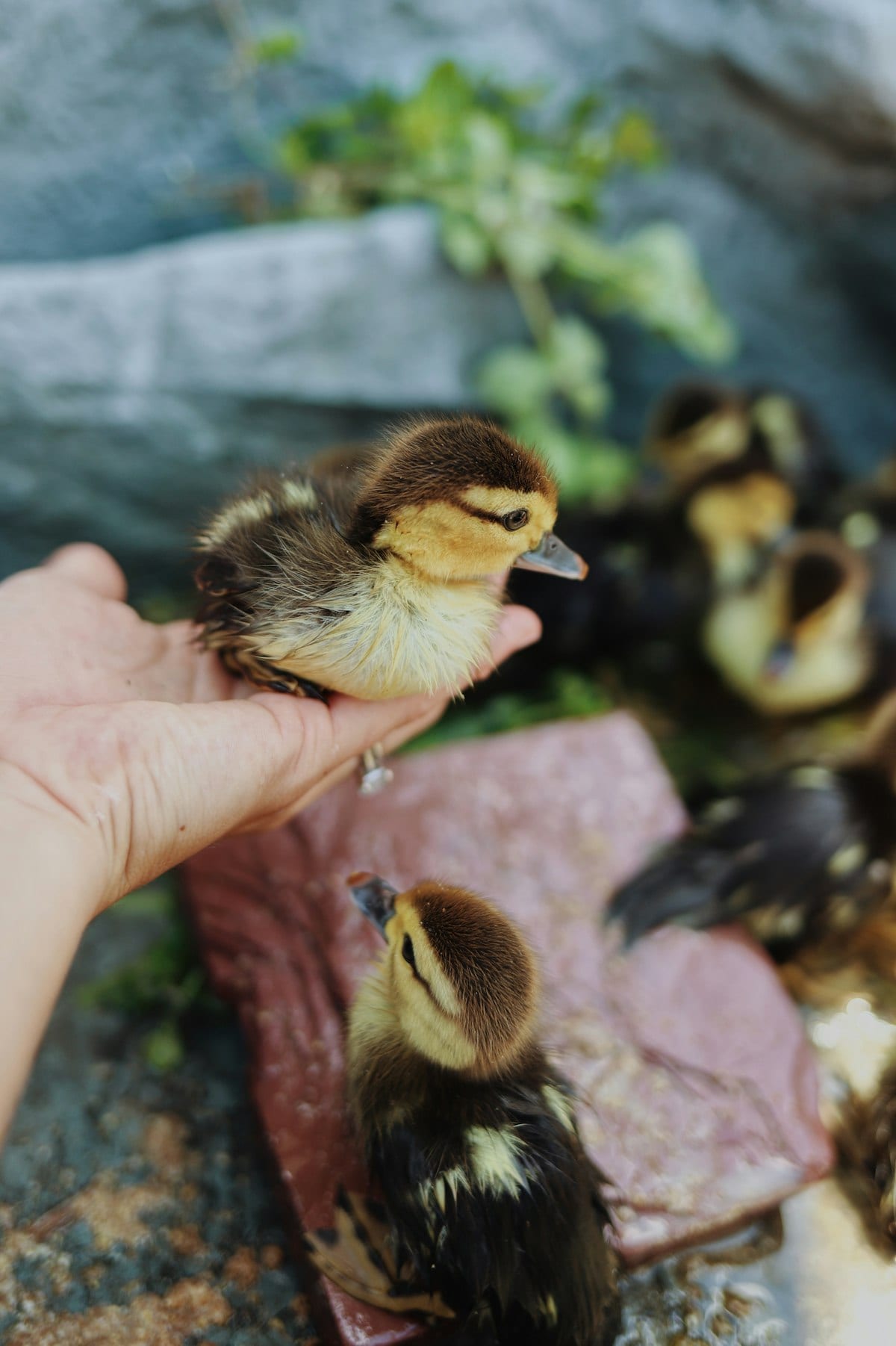
Pet duck birthday parties are underrated. Ducks are enthusiastic, social, and visibly excited by food in a way that makes for excellent birthday photos. The party format is simple: water access, a pea and fresh food spread, and an audience. If you have a kiddie pool, a garden hose, and a bag of frozen peas, you have a duck birthday party.
Most pet duck keepers know their duck’s hatch date from the breeder, or use the day they brought them home as the birthday. Pekin ducks, Indian Runners, Khaki Campbells, Cayugas, all of them respond well to the same format.
What a Duck Birthday Looks Like
The event is built around water, food, and freedom to be a duck. Ducks forage, dabble, and play in water as their primary activities. A birthday party amplifies those things rather than replacing them with human party structures.
The setup:
- Their regular outdoor space or run
- A clean kiddie pool or a large tub of fresh water for dabbling
- A pea birthday spread on the ground or in a shallow dish of water
- Optional: a small pool-side treat station with additional favorites
Duration: Ducks don’t have a “party attention span” in the sense that dogs do. Set up the birthday spread, let them engage with it as long as they want, usually 20–40 minutes of active engagement with occasional returns throughout the day, and call it a success.
Guest considerations: Ducks are flock animals. A single duck is more stressed than a pair. Birthday celebrations work best as flock events, all your ducks celebrate together, with extra treats and enrichment for the birthday duck specifically (which in practice means giving her first access to the pea pile before the others wade in).
The Pea Birthday Spread
Peas are to ducks what mealworms are to chickens: the treat that produces unmistakable joy. Frozen peas thawed to room temperature or slightly warm are the gold standard. Ducks eat them whole, chase them when they roll, and will run toward you when they see the bag.
The birthday pea spread:
- A large handful of thawed frozen peas scattered in shallow water or on the ground
- Add a handful of corn kernels, a few torn leafy greens, and some small pieces of cucumber or watermelon
- Float everything in the kiddie pool for the full duck-party experience
The pea pile in water gets a reaction within seconds. Ducks dabble for peas, they push their bills through the water, filtering food, and it’s exactly the kind of enrichment a duck birthday should center on.
A 5lb bag of frozen peas costs about $3 and is the best duck birthday treat investment available. Shop on Amazon
The Duck Birthday Cake
There’s no baking involved. The “cake” is:
- A half watermelon turned flesh-side up, placed in the pool or at pool’s edge
- Peas, corn, and sliced grapes (safe for ducks) scattered on top and around it
- Optionally: float a few peas in a ring around the watermelon half in the water
The ducks will peck at the watermelon, eat the peas, and investigate the corn. It looks festive in photos and is genuinely enriching.
Safe Treats for Duck Birthdays
Per Cornell Lab of Ornithology waterfowl program and general avian nutrition guidelines:
Best birthday treats:
- Frozen peas (thawed), the undisputed best duck treat
- Corn (fresh, frozen thawed, or cooked), immediately popular
- Watermelon, flesh and rind both safe
- Cucumber slices
- Leafy greens: romaine, kale, spinach, chard, torn into pieces
- Grapes (cut in half for small ducks to prevent choking)
- Blueberries, strawberries, raspberries
- Cooked plain rice or oats
- Mealworms (dried or live), very well received, high protein
- Plain cooked pasta
What to Avoid
Bread: This is the most common mistake with ducks. Bread has essentially no nutritional value for ducks and in large quantities causes a condition called “angel wing” in growing ducks (a permanent wing deformity from vitamin deficiency). Croutons, crackers, and any bread product fall in the same category. Skip it entirely.
Avocado: Persin toxicity in birds.
Onion and garlic: Hemolytic anemia.
Citrus: Interferes with calcium absorption in ducks specifically; also causes digestive upset.
Spinach in very large amounts: Contains oxalic acid which binds calcium and can cause deficiencies if fed daily in quantity. A small amount as one component of a treat spread is fine; a giant pile of spinach as the main event is not.
Salty or processed foods: Ducks have sensitive kidneys; high sodium causes serious problems.
Getting the Photo
A duck birthday photo requires one person operating the camera and one person holding a pea at camera height. Ducks orient toward food with focused attention. The pea at lens height gets you eye contact. Shoot before the pea goes in the water.
For a birthday bandana: waterfowl bandanas exist (mostly through Etsy; search “duck bandana neck scarf”). Most ducks tolerate a loose neck tie briefly. Introduce it with a pea reward and keep the bandana session short, ducks are more tolerant of novel things than chickens but less tolerant than dogs.
For what ducks can and can’t eat in more detail, see what ducks can eat at a party.
Sources
- Cornell Lab, All About Birds, Feeding Ducks: allaboutbirds.org/news/what-do-ducks-eat
- The Mayhew Animal Home, Duck Care, themayhew.org/advice/duck-care
- ASPCA, Bird Care, aspca.org/pet-care/bird-care
- You
- Your pets
- Confirm