
Dove Birthday Party Ideas: A Gentle Celebration for the Calmest Pet Bird
How to throw a dove birthday party for ring-neck doves and diamond doves: safe foods per VCA guidelines, why doves are the most handleable small bird, the seed vs. pellet issue that affects their health, and birthday photos that actually work. VCA-verified.
As an Amazon Associate we earn from qualifying purchases.
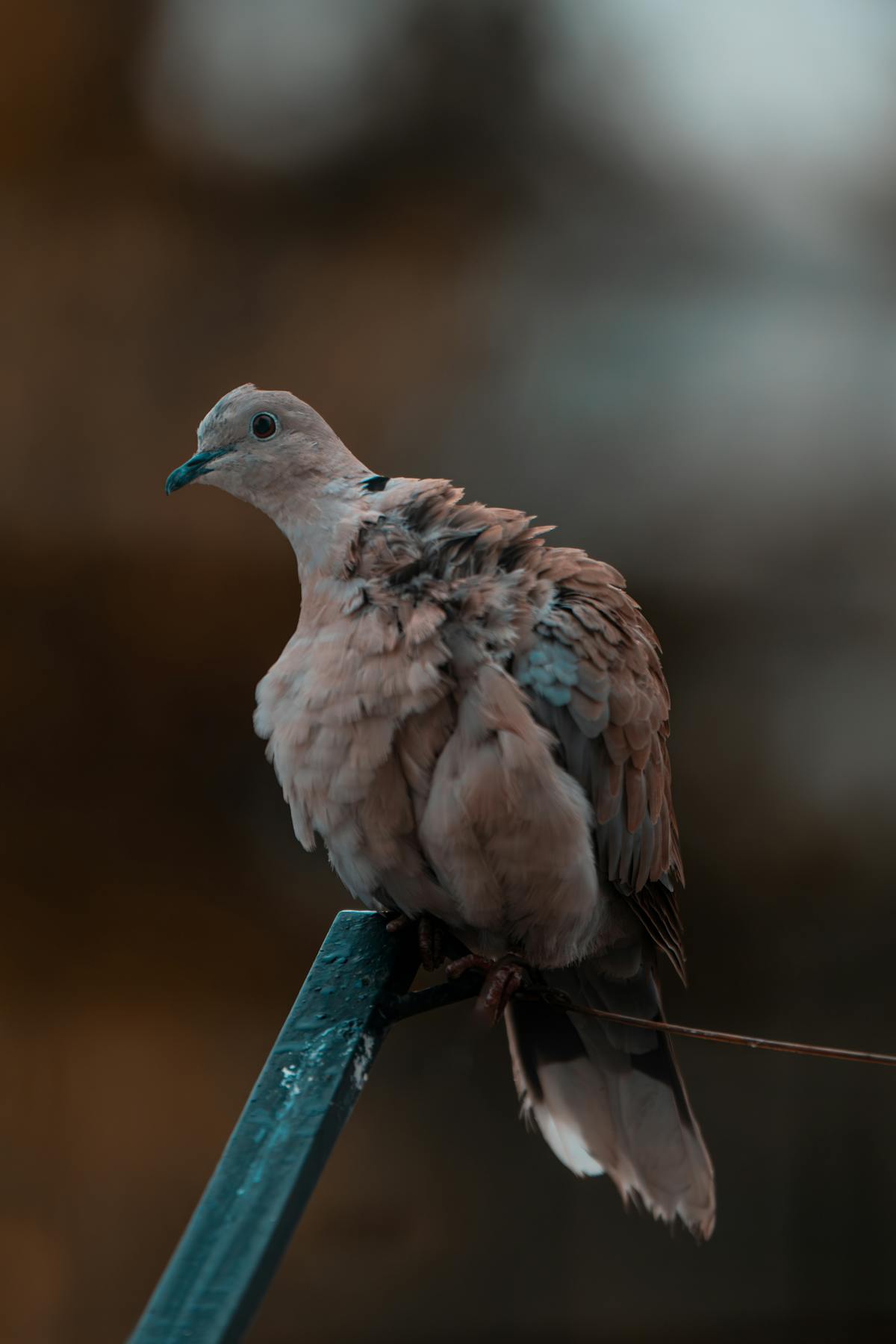
Doves are the most easygoing small bird on the pet spectrum. Ring-neck doves (also called ringnecks or laughing doves) often enjoy being gently held, will sit on your hand or shoulder willingly, and produce a soft, repetitive cooing that most people find genuinely calming. Diamond doves are smaller and less handleable but still much calmer than parrots or even cockatiels. A dove birthday party can include actual handling, which puts them in a different category from canaries or finches. Set out special food, hold your bird for a few minutes, let them coo at you from your shoulder. That’s the birthday format. Your dove won’t know it’s a birthday, no bird does, but it will register that something’s different: better food than usual, a calm room, your full attention. That’s a genuinely good day from a dove’s perspective, and that’s the whole point of doing this. If you don’t actually know your dove’s birth date, the day you brought them home works just as well — our gotcha day party ideas guide covers building an annual celebration around an adoption date instead.
The PTFE Warning
Non-stick cookware coated with PTFE releases fumes when overheated that are lethal to birds. Doves, like all birds, have respiratory systems highly sensitive to airborne toxins. Do not cook on non-stick surfaces while doves are in the house, and air out cooking spaces before birds have access.
Also keep away from doves: scented candles, incense, air fresheners, essential oil diffusers, cigarette and vape smoke.
Ring-Neck vs. Diamond Dove: Know Your Bird
Ring-neck doves (Streptopelia risoria) are the larger of the two common pet species, around 10 to 12 inches from beak to tail. They tame well, bond with owners, and often enjoy being petted on the head and neck. The cooing sound is their primary vocalization, a repetitive, soft “coo-coo-roo” they’ll keep up for a good chunk of the day. It’s not distress, it’s communication and comfort-seeking, just how a ring-neck talks. Some owners find it charming, others find it relentless. Worth knowing before you bring one home. They live 10 to 15 years in captivity, with some individuals reaching 20 with good care.
Diamond doves (Geopelia cuneata) are smaller (about 8 inches), more delicate-looking, and less handleable than ring-necks. They’re Australian natives with distinctive red eye rings. They’re quieter than ring-necks. Lifespan is similar. Diamond doves tend to be more flighty and less bonded to their handlers than ring-necks, though individuals vary.
Both species do well as pairs. A solo dove can bond closely with its owner, but two doves are company for each other during the hours you’re not home.
Safe Birthday Foods
Per VCA Hospitals, doves should eat approximately 50% pellets (formulated for pigeons and doves), with seeds, vegetables, and fruits making up the rest. Seeds alone are inadequate: VCA states they’re “high in fat and nutrient-deficient” as a sole diet.
Verified safe birthday foods (per VCA Hospitals):
- Mango pieces (small): Most doves investigate and enjoy
- Papaya: Good vitamin A source
- Apple slice (no seeds): Fine as a small birthday treat
- Leafy greens, finely chopped: Kale, bok choy, spinach in small amounts. Cut small due to their beak size.
- Broccoli floret (small): Good nutrition, well-received
- Cooked grains (small amount): Plain cooked brown rice or quinoa as a novel texture
- Small seed treat: Safflower seeds or a small portion of a varied seed mix as birthday extras
What VCA Hospitals advises against:
Avocado: potentially toxic to birds, never feed.
Chocolate, salty foods, caffeine, alcohol: toxic or harmful.
Iceberg lettuce and celery: minimal nutritional value.
Dairy products: birds are lactose-intolerant. Small occasional amounts are less concerning than in cats or dogs, but it’s not a food worth offering.
One note on grit: Unlike canaries and finches, doves and pigeons swallow seeds whole rather than hulling them first. Small amounts of digestible oyster shell grit can be offered to doves as a calcium supplement. VCA notes this, though adds that excessive grit causes gastrointestinal problems. A small, separate grit dish is appropriate — it’s not the same as forcing grit on a bird that doesn’t need it.

Birthday Enrichment
Doves are calmer birds and the enrichment setup reflects that — less frantic investigation, more gentle exploration.
New perch or branch: A natural wood perch (manzanita, apple wood) added to their cage or play stand gives them new terrain. Doves will move to a new perch and settle, looking around from the new vantage point.
Fresh food clip: A vegetable clip with kale, a piece of mango, or a broccoli floret at a new height in the cage. Doves move to food items methodically rather than the frantic approach of finches or canaries.
Foraging scatter: A handful of seed mix scattered across the floor of the cage or on a flat foraging surface. Doves are ground-feeders by nature and picking seeds off a surface is natural behavior.
Birthday handling session (ring-necks especially): For a well-socialized ring-neck dove, extended time on your hand or shoulder is a genuine birthday gift. Gentle head scratches, quiet time together. Doves who enjoy handling will coo during these sessions.
Getting the Birthday Photos
Doves are significantly easier to photograph than finches, canaries, or even cockatiels. They hold still. They settle on a surface and stay there. Burst mode is still helpful but less critical.
The setup: natural light, phone or camera at their level, a birthday food item as a focal point. Hold them in your hand with the birthday treat in front of them. A ring-neck dove held gently by an owner they know will often hold still and look directly at the camera for several seconds.
For a perch photo, position the birthday treat near a clean perch against a simple background, step back, and wait for them to settle at the food.

Finch and Canary Birthday Supplies
Small birds do best with foraging enrichment and fresh millet:
- Millet Holder 2-Pack (Stainless Steel), fresh millet spray hung in the cage. The primary birthday treat.
- PBIEHSR Bird Foraging Toys Seagrass, small-scale foraging toy appropriate for finches and canaries.
Sources
- VCA Hospitals: Feeding Pigeons and Doves
- Association of Avian Veterinarians: Bird Safety and Husbandry Resources
- You
- Your pets
- Confirm