
Crested Gecko Gotcha Day: Celebrating the Anniversary of Your Crestie's Arrival
Crested gecko gotcha day ideas for keepers who know the date their crestie came home and want to mark it properly: the CGD upgrade, the morph and coloring photo tradition, and why gotcha day means more than the hatch date for most crestie keepers.
As an Amazon Associate we earn from qualifying purchases.
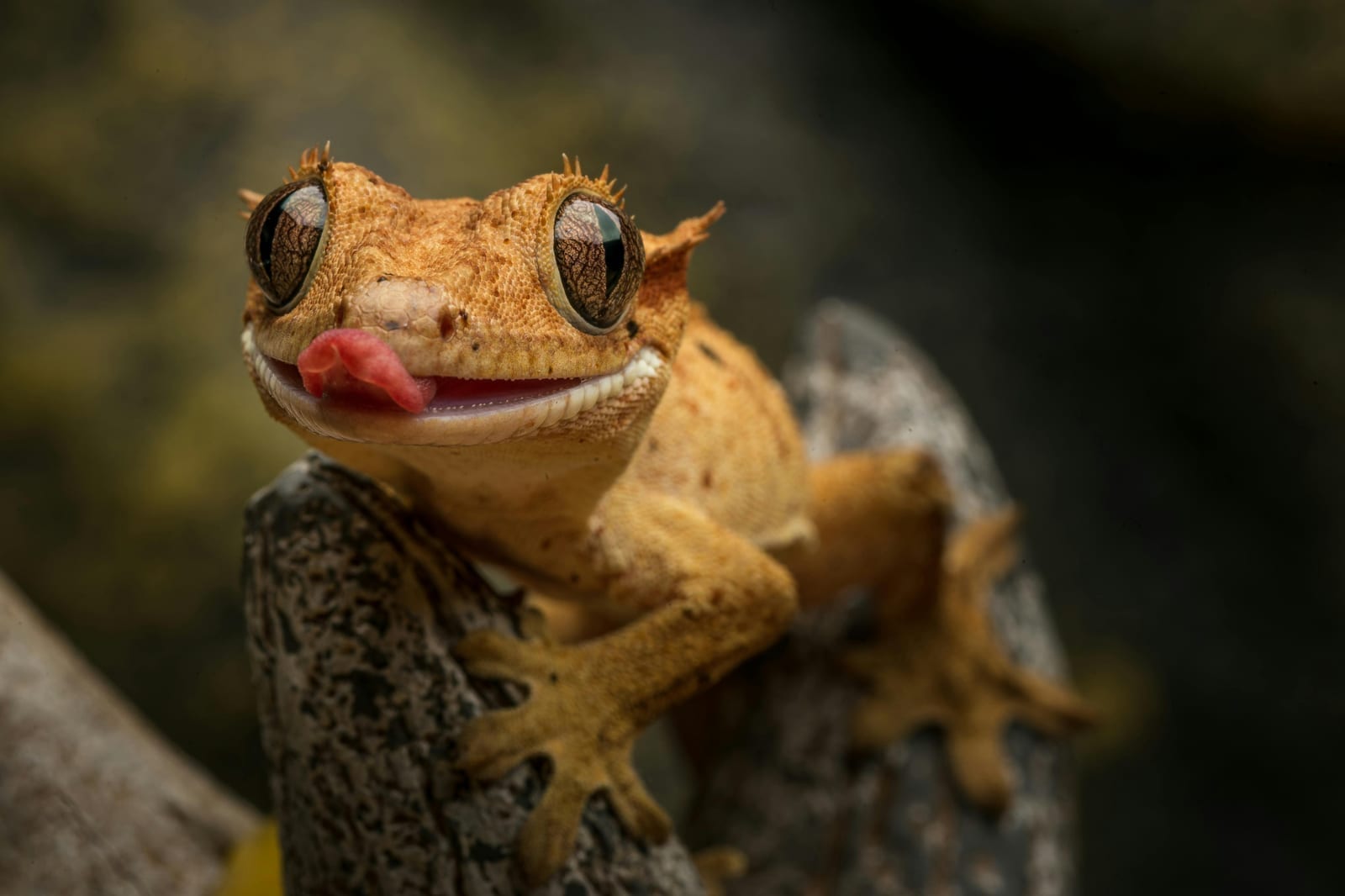
Crested geckos were thought to be extinct until rediscovery in 1994. The captive breeding community has had about 30 years to develop, which means documentation practices are improving but many cresties still arrive without exact hatch dates, especially from smaller breeders or pet stores. The gotcha day is the date most crestie keepers mark: the anniversary of when the gecko came home, when the husbandry began, and when the keeper’s responsibility started. With crested geckos living 15 to 20 years, that gotcha day becomes the anchor for a significant long-term tradition.
Hatch Day vs. Gotcha Day
You have a hatch date: breeders who track their clutches closely often provide this. If you have it, mark both dates. The hatch day is the biological birthday; the gotcha day is the personal anniversary of the relationship.
You don’t have a hatch date: the gotcha day is the birthday. It works equally well for the celebration format.
You rescued or rehomed a crestie: the gotcha day is particularly meaningful here, it marks the beginning of appropriate care after an unclear previous history. Cresties from inadequate situations often show visible improvement in body condition, color quality, and behavior after several months in proper husbandry. The gotcha day anniversary documents this recovery.
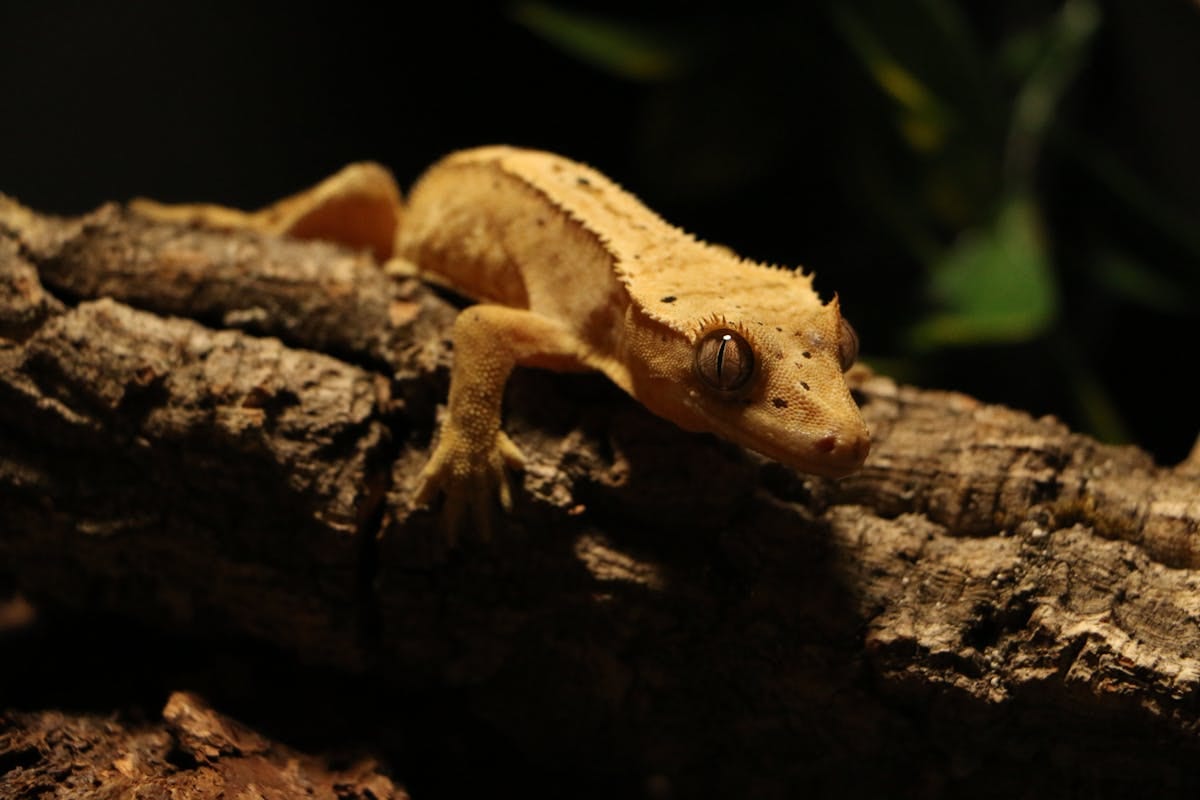
The Gotcha Day Feast
The CGD upgrade. For the gotcha day, use a different formula or a higher-quality version of the gecko’s usual CGD. If the gecko normally eats Pangea banana formula, the gotcha day is the fig-and-insect formula. Most cresties show preference for certain flavors and discovering a new favorite on the gotcha day is a pleasant outcome.
Live insects for the active hunter. If the crestie accepts crickets or dubias, the gotcha day evening offering of 2 to 3 live insects alongside fresh CGD is the premium feast format.
A waxworm as the birthday treat. One or two for a gotcha day treat. The same high-fat, high-palatability rules apply.
Fresh CGD every 24 hours. Replace the dish before the 24-hour mark regardless of how much was eaten.
Time the feast for the evening. Cresties are nocturnal. Set the fresh CGD out around 7 to 8 PM, when the gecko is naturally waking up and will actually notice the extra effort. Any handling or photos work better once it’s up and moving on its own instead of asleep in a hide.
Check body condition while the dish is out. A gecko in good shape has visible fat pads in the flanks and intact crests. Weigh it on a digital kitchen scale that reads to 0.1 grams and track the number from one gotcha day to the next. Steady or rising weight on the current CGD formula means the diet is working.
The Annual Photo Documentation
The crested gecko gotcha day photo follows a well-established community tradition:
The color and morph documentation shot. A side view or top-down shot in consistent lighting showing the gecko’s current coloring and morph expression. Crestie coloring can shift subtly across years, and the gotcha day is the annual reference photo. Dalmatian spots may become more numerous. Flame or harlequin patterns may develop more contrast.
The fire comparison. Many crested geckos show their full “fired up” coloring (darker, more saturated, maximum contrast visible) versus their “fired down” coloring (paler, lower contrast) depending on light, temperature, and mood. Both are worth photographing: the fired-up shot shows the morph at its most vivid, the fired-down shot shows the typical rest-state appearance.
Year-over-year growth. Cresties are small but they do grow. A juvenile acquired at 2 grams looks different from an adult at 35 to 50 grams. The comparison across multiple gotcha days documents the growth trajectory. If the gecko drops its tail somewhere along the way, note it in the comparison. The stub doesn’t grow back, and the photo series should account for the change rather than pretend it didn’t happen.
The Community Tradition
r/crestedgeckos has an active gotcha day and hatch day tradition. The format that gets community engagement:
- A clear fired-up photo showing the morph
- The gotcha day year
- The gecko’s name and morph name (harlequin, pinstripe, flame, dalmatian, etc.)
- One personality or behavioral observation from this year
- A comparison photo if you have it
Crestie community posts with “frog butt” (the term for a crestie that has lost its tail, which doesn’t regrow) typically include this as part of the identification, without any apology, the community has normalized it as simply a characteristic of an individual animal.
Crested Gecko Birthday Supplies
Crested gecko birthdays center on food variety and new hides:
- Pangea Fruit Mix Complete Crested Gecko Diet, introduce a new flavor of Pangea on the birthday.
- Hamiledyi Gecko Tank Resin Hide, new hide upgrade.
- Small Feeder Crickets for Crested Gecko, live feeders as the birthday treat enrichment.
Sources
- VCA Hospitals: Crested Geckos
- Pangea Reptile: Crested Gecko Care
For the food guide: What Can Crested Geckos Eat at a Party?
For the full birthday party guide: Crested Gecko Birthday Party Ideas
For the general gotcha day framework: Pet Birthday and Gotcha Day Overview
- You
- Your pets
- Confirm