
Amazon Parrot Gotcha Day: Marking the Anniversary With a Bird Built to Last
Amazon parrot gotcha day ideas for keepers of yellow-naped, blue-fronted, and double yellow-headed Amazons: the anniversary feast, the singing and talking milestone tradition, navigating hormonal season timing, and what the Amazon community marks on the anniversary.
As an Amazon Associate we earn from qualifying purchases.
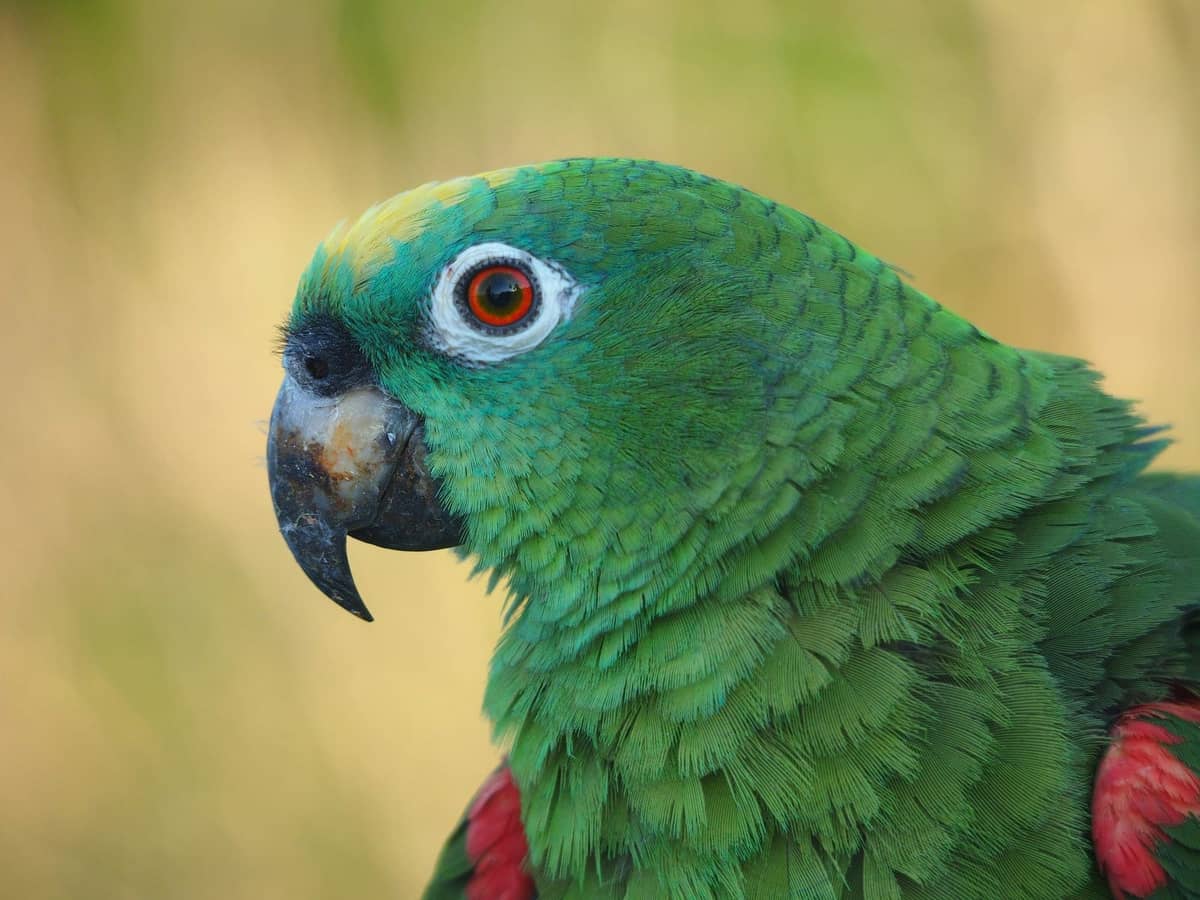
Amazon parrots live 40 to 70 years in good captive care. A keeper who brings home an Amazon at 30 has taken on a commitment that may easily outlast another full decade of their working life. The gotcha day is the annual acknowledgment of this, and also the annual behavioral check-in: is the bird singing (a positive sign in Amazons), is the bird showing normal behavioral range, and is the relationship holding through whatever hormonal seasons have arrived since the last anniversary. Amazon gotcha days in particular carry a time-aware quality that distinguishes them from smaller pets.
Not every keeper knows the exact date, either. If you inherited your Amazon from a relative or brought one home from a rescue with no paperwork, the gotcha day is simply the day you became responsible for the bird. A vet can give you an approximate age from eye coloring, beak condition, and other physical markers, but the celebration doesn’t need a precise number to be real. Work with whatever you have.
Teflon Warning
Non-stick cookware fumes kill birds. All gotcha day food prepared in stainless steel, cast iron, or ceramic only.
Timing: Avoid the Hormonal Season
Amazon parrots go through pronounced hormonal periods, typically in spring (February through May in the Northern Hemisphere), during which even normally gentle birds become aggressive, territorial, and difficult to manage. Handling during hormonal season for a bird that shows seasonal aggression is a bite risk. If the gotcha day falls during the hormonal period, keep the celebration low-key: the anniversary feast, enclosure enrichment, and vocal interaction from outside the cage rather than hands-on handling.
Many Amazon keepers describe spring as the “earn your trust back” season: the bird is in hormonal mode and the relationship is managed rather than celebrated actively. A new foraging toy placed in the enclosure alongside the feast is a reasonable stand-in for hands-on interaction that year.
Post-hormonal season (summer through fall) is when the full-celebration version works best.
The Gotcha Day Feast
Per VCA Hospitals, Amazons are obesity-prone. The gotcha day feast is fresh and varied but not fat-heavy.
Anniversary chop: dark leafy greens, bell pepper, sweet potato, corn, broccoli, carrot. A larger-than-usual portion appropriate to the bird’s size.
Fruit component: pomegranate seeds, berries, papaya, mango, apple (seeds removed).
A small egg treat: a piece of hard-boiled egg is a well-accepted annual protein treat for many Amazons.
One nut as the anniversary treat. A single walnut or almond. Not a nut portion, just one. The obesity risk is real for this species.
Pellets stay as the base. The gotcha day fresh food supplements, not replaces.
The Vocal Milestone Tradition
Amazon parrots are among the best talkers in the parrot world. Yellow-naped Amazons in particular are famous for vocabulary, vocal quality, and the ability to reproduce phrases and songs with accurate pitch and timing. The gotcha day in the Amazon community often includes:
A vocabulary documentation update. New words, new phrases, new songs this year. Many Amazon keepers keep running notes of their bird’s vocabulary development. The gotcha day is the occasion to update the record.
The singing acknowledgment. Many experienced Amazon keepers know specific songs their bird performs. If the bird sings on the gotcha day, even briefly, that’s worth filming and posting.
The mimic accuracy note. Amazons that develop accurate mimic ability for specific household sounds, specific voices, or specific contextually-used phrases are genuinely remarkable. The gotcha day post documents what’s developed this year.
What the Amazon Community Marks
The Amazon parrot community, including r/parrots, Amazon-specific Facebook groups, and the World Parrot Trust forums, responds to gotcha day posts that:
Show the bird in good feather condition (a sign of good husbandry). Include a specific personality or behavioral observation from this year. Acknowledge the length of the relationship with appropriate weight for a species that may outlive its keeper. For Amazons that talk, include the funniest or most contextually appropriate thing the bird said this year.
Milestone years get their own recognition. A 20-year gotcha day in particular tends to draw real engagement: a well-documented post pairing two decades of vocabulary development with physical condition notes and an honest account of the relationship’s trajectory is the kind of post that generates significant response. Keeping a complex, demanding parrot fed, healthy, and engaged for 20 years is genuinely hard work, and long-term Amazon keepers get credit for it.
Parrot Birthday Supplies
Parrot birthdays are about foraging enrichment and treat variety:
- Litewoo Bird Foraging Feeder (Stainless Steel), fruit, vegetable, and seed holder. Works for African greys, macaws, conures, and similar birds.
- CIEZZU Bird Foraging and Chewing Toy Set, multiple foraging elements for medium and large parrots.
- Bird Spinner & Foraging Basket Set, mental enrichment basket plus spinning rattle toy.
Sources
- VCA Hospitals: Amazon Parrots
- Association of Avian Veterinarians: AAV Home
For the food guide: What Can Amazon Parrots Eat at a Party?
For the full birthday party guide: Amazon Parrot Birthday Party Ideas
For the general gotcha day framework: Pet Birthday and Gotcha Day Overview
- You
- Your pets
- Confirm